

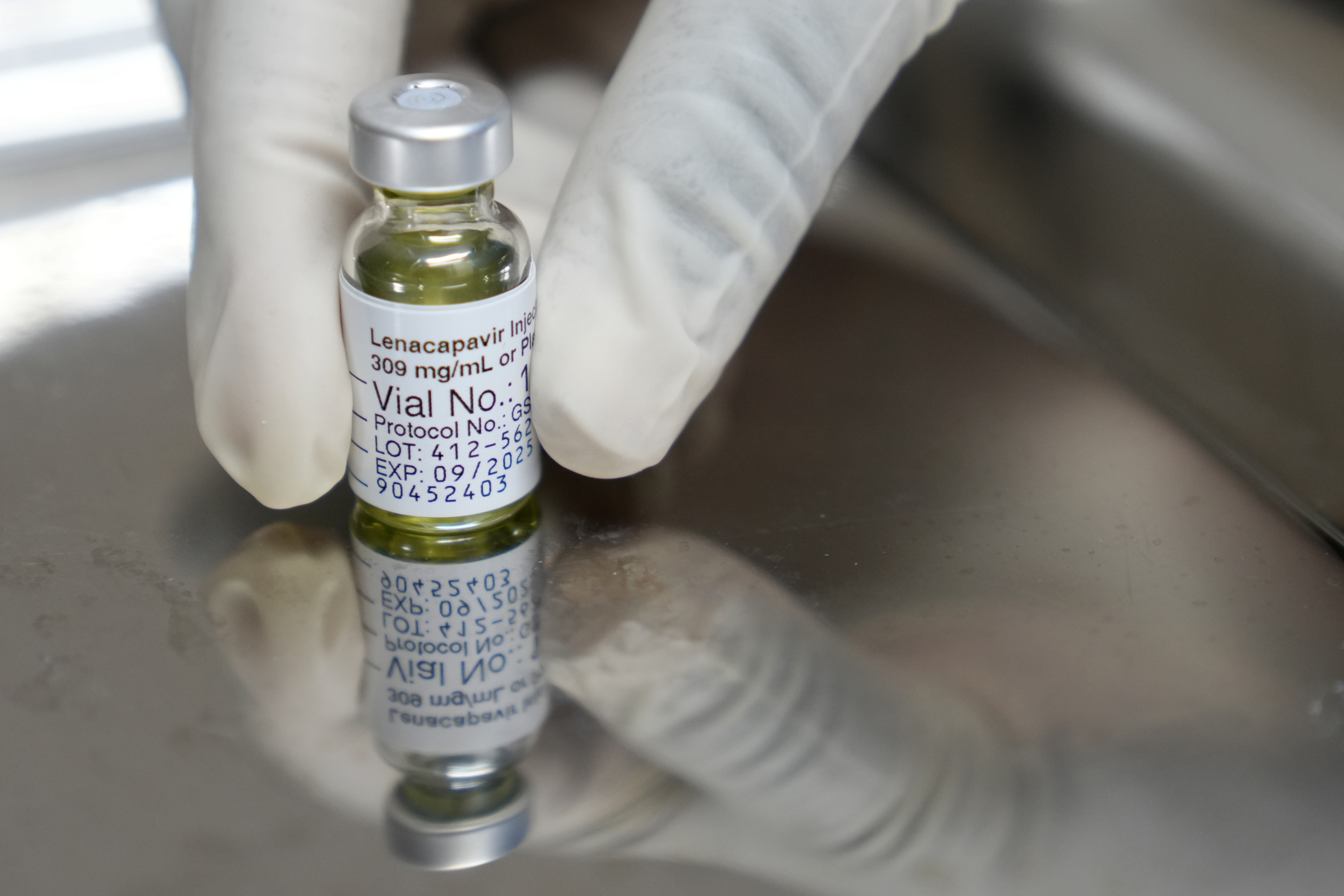
Over 1.3 million people are infected by HIV each year, despite decades of international work, research, and progress. In 2023 alone, over 630,000 people died due to AIDS-related illnesses, a number that is not on track to meet the U.N. goal of ending HIV/AIDS by 2030. But lenacapavir shows hope for the first time in decades. A trial in African girls and young women showed that lenacapavir reduced HIV infection to zero, or 100% efficacy. A similar trial in September showed a 99.9% efficacy in preventing HIV infections for gender-diverse people, leading the drug to be named the 2024 Breakthrough of the Year.
Past drugs have also shown such hopes, but lenacapavir surpasses all previous research. In 1996, the world saw the first hope of ending the HIV epidemic, with researchers showing how a mixture of many powerful drugs could suppress HIV, stopping it from developing into AIDS. Current drugs work better, allowing those with HIV to live normal lives with the disease. These drugs stop those with the virus from infecting others, driving down global infection rates. Access to prevention tools like condoms, needle exchanges, and education also greatly reduced infection rates. However, progress had stalled, leaving millions stranded.
Lenacapavir broke that impasse with its groundbreaking results, where not a single person who had received the injections became infected. The cause of this lies in the process. Unlike most HIV drugs, lenacapavir took advantage of new developments in how the capsid proteins functioned, creating the drug around the idea of forming a protective cone around the viral RNA. By blocking the capsid’s ability to deliver the viral genes, lenacapavir stops the HIV proteins from producing inside the body. At first, their team was stopped by lenacapavir’s insoluble capacity, stopping the body from being able to absorb it. Now, that’s a life-saver, as it gives the drug a long life within the body.
However, lenacapavir’s success will depend on access and delivery. While regulatory approval is still waiting, Gilead’s team expects it to enter the market in late 2025, offering hope to millions. Keeping the price low will be key in stopping HIV infections, and Gilead’s team has already cut deals with six manufacturers to produce low-cost versions for developing countries. However, logistics remain a problem. These countries might not be able to afford the discounted version, and overburdened healthcare systems/transportation could stop delivery efforts. The biggest problem with lenacapavir is that people must be willing to get the shot every 6 months. But if it can overcome the obstacles, lenacapavir could be a lifesaver to those our world gave up on decades ago. Forget meeting the U.N. target; lenacapavir could surpass it.









Leave a Reply