

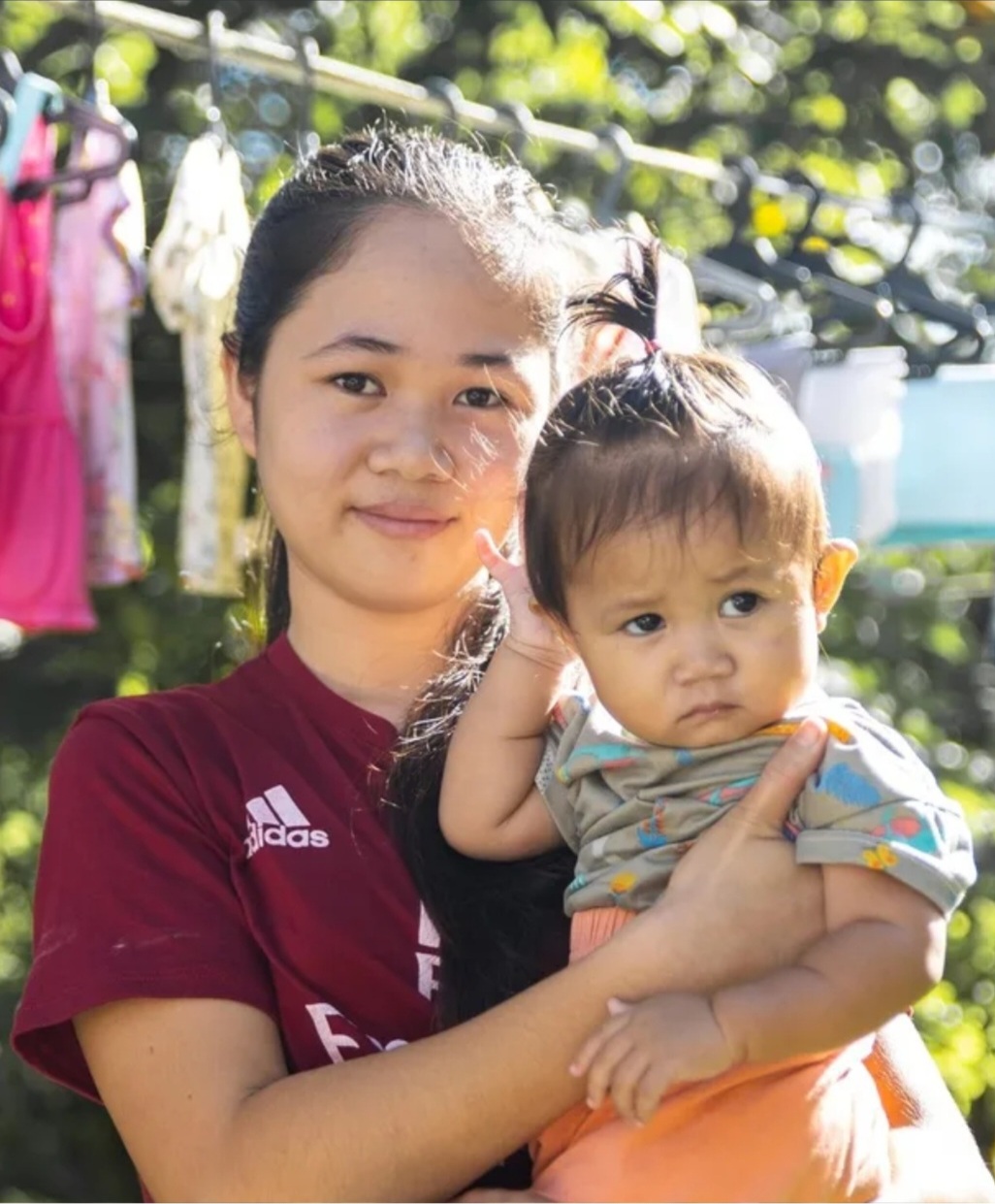
Perinatal health is the period of time when a woman becomes pregnant and upto a year after giving birth. Perinatal health is important because it affects the health and safety of both the mother and the baby during pregnancy, delivery, and after birth.
Studies have shown that women who get early and good perinatal care deliver healthier babies than those women who do not get perinatal care.Ensuring access to affordable and good quality of care throughout pregnancy and the perinatal period is essential to reducing the rates of complications and deaths related to pregnancy and childcare.
Similarly, noise exposure can damage the development of a baby’s hearing and speech.Perinatal health is crucial in today’s time and world because it can significantly impact an underdeveloped fetus, leading to harmful birth complications like low birth weight, premature birth, or major long-term medical problems.
Environmental factors also affect the pregnancy of a mother and an infant’s health. Factors include air pollution, exposure to toxins, and maternal health. For example, exposure to air pollution has been shown to increase risks of respiratory problems (such as reduced lung function or asthma) and damage to the central nervous system of a new mother.
Environmental factors play a very important role in perinatal health, often constituting severe harm to both the mother and the unborn baby.
Air pollution is one of the most common environmental hazards, it has been in connection with sustainability defects, like low birth weight, and preterm delivery.
Prolonged subjection to pollutants such as fine particulate matter (PM2.5) and nitrogen dioxide can stunt fetal development and also result in developmental setups.
Contaminants like lead and mercury found in water and soil due to factory waste further aggravate these risks, and continuous exposure to these toxic chemicals cause abortion and stillbirth.
Pesticide subjection, particularly among women who work in the agriculture industry as farmers, has been associated with miscarriages and preterm delivery.
Additionally, stress, that is both physical and psychological in nature, is another factor that can lead to adverse outcomes.
Radiation exposure from living in places affected by such environmental hazards or the excessive usage of electronic devices may further exacerbate the risks of inherited defects.
Preventive measures and solutions that can be taken for a better perinatal health outcome for both mother and infants, is for the mother to avoid eating unhealthy food like raw meat, uncooked fish, etc., as these can cause severe health complications.
The mother should avoid drinking alcohol, tobacco and smoking and instead should adopt a healthier lifestyle where she should focus on getting a good sleep of about 7 to 9 hours daily, she should work out often to keep her muscles and bones flexible, get her health checkups frequently done like immunisations and dental care.                                                                                                       Additionally, she should also be aware of contraceptive options and family planning and be provided with support facilities and care seeking behaviors.
In conclusion, Perinatal health is a complex and multifaceted field that involves the health of pregnant women, fetuses, and infants. Perinatal health should have better healthcare facilities for the mothers and infants so ultimately there is a need to overcome barriers to accessing care.
















Leave a Reply