

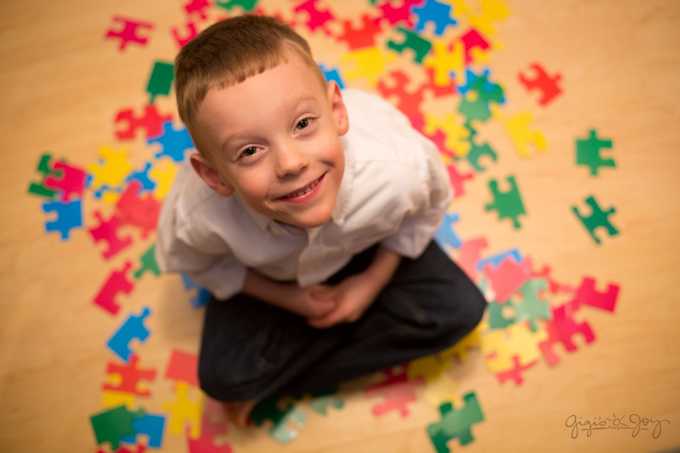
ASD: The Rise of Autism Spectrum Disorder
In recent decades, autism spectrum disorder (ASD) has gone from a rarely discussed condition to one of the most talked-about developmental disorders in the world. Reports of rising autism prevalence have sparked concern, curiosity, and an ongoing public health debate: why are more people being diagnosed with autism, and what does this mean for society?
What Is Autism?
Autism spectrum disorder is a neurodevelopmental condition characterized by differences in communication, behavior, and social interaction. The spectrum aspect of the disorder refers to the wide variation in challenges and strengths that individuals with autism can display. Some people may need significant support in daily life, while others are highly independent and thrive in areas like mathematics, art, or technology.
How Much Has Autism Increased?
According to the U.S. Centers for Disease Control and Prevention (CDC), autism diagnoses have increased dramatically over the past few decades. In the early 2000s, approximately 1 in 150 children were identified with autism. By 2024, that figure rose to about 1 in 36. Similar trends are seen globally, though with variation based on country, healthcare access, and diagnostic practices.
Why Are Autism Diagnoses Rising?
The rise in autism diagnoses is often misunderstood. While some fear it suggests a growing epidemic, experts believe a range of factors contribute to the increase:
- Improved awareness: public and professional awareness about autism has grown significantly. Teachers, parents, and doctors are more likely to recognize the signs of autism early in a child’s development.
- Expanded diagnostic criteria: over the years, the definition of autism has broadened. What was once considered a narrow and rare condition now includes a broader spectrum of traits and severities. This change, especially with the introduction of the DSM-5 in 2013, allowed more individuals to be diagnosed.
- Better access to services: as services for autistic individuals have expanded, more families seek formal diagnoses to gain access to therapies, educational support, or financial assistance.
- Environmental and genetic research: while awareness and diagnostic changes explain much of the rise, some researchers continue to explore potential environmental factors that might influence neurodevelopment—though no definitive “cause” has been found. Genetics remain a key area of study, as autism often runs in families.
Challenges and Opportunities
The increase in diagnoses presents challenges—such as the need for more specialized services, early intervention programs, and inclusive education—but also opportunities. A better understanding of autism means more tailored support and acceptance of neurodiversity. In recent years, the neurodiversity movement has gained traction, advocating for a societal shift from viewing autism solely as a disorder to recognizing it as a natural variation of the human brain. This movement emphasizes inclusion, accessibility, and valuing the unique perspectives that autistic individuals bring.
What’s Next?
As research evolves, the focus is shifting from simply identifying autism to understanding how best to support people on the spectrum throughout their lives. This includes addressing mental health needs, employment barriers, and housing for autistic adults—areas that have historically been overlooked.












Leave a Reply