

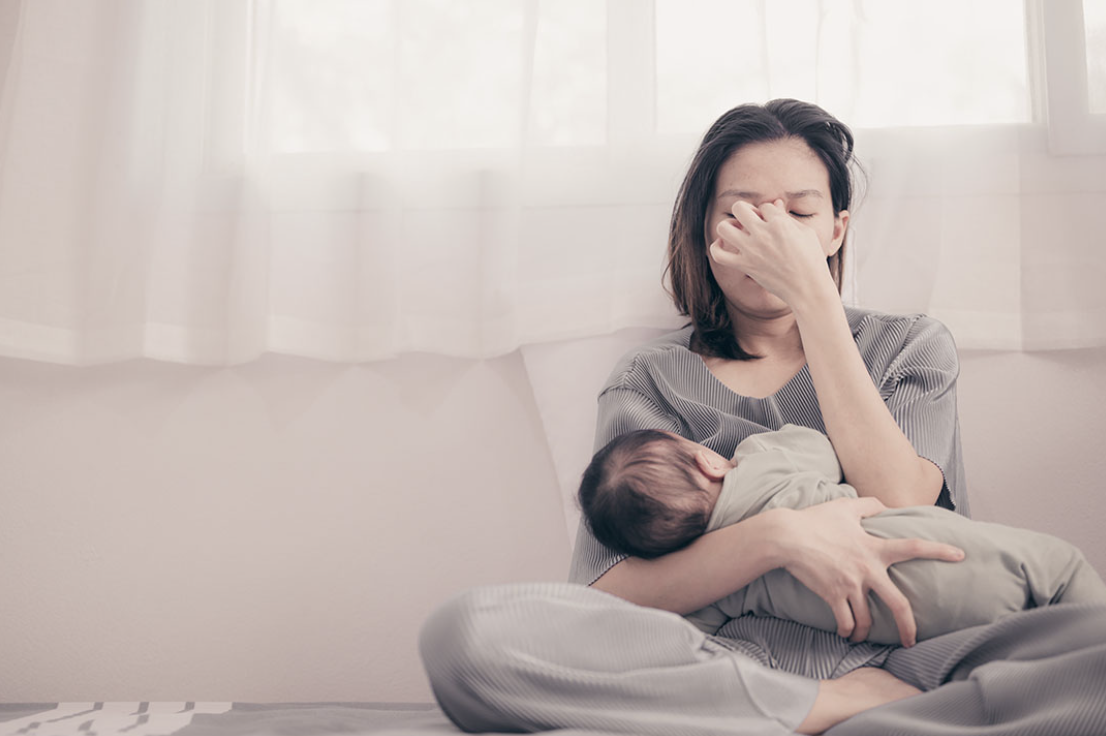
Although pregnancy and childbirth are often viewed as the happiest times in a parent’s life, for many, this period is instead filled with anxiety, sadness, and emotional exhaustion. Perinatal mental health, which includes mental health during pregnancy and up to one year after birth, is one of the most common yet overlooked aspects of maternal care. Across the world, millions of parents experience depression or anxiety during this time, but few get the help that they truly need.
One in five new mothers is affected by perinatal mood and anxiety disorders (PMADs), with rates being higher among those who are poor, discriminated against, or have the inability to access proper care. If left untreated, these conditions can not only harm the parent but also the child. Babies who have parents who struggle with untreated depression are more likely to face developmental delays, feeding difficulties, and challenges related to emotional bonding with others.
One of the biggest problems is that these conditions have a high chance of going undetected, as mental health is still not treated like an essential part of prenatal and postnatal care in many places. Some doctors even choose to skip mental health screenings altogether, deciding to focus more on physical health. In contrast, others fail to recognize the signs or dismiss emotional struggles as “normal” behaviors after birth. This can leave parents suffering in silence, afraid to speak up and unsure of where to turn to for help.
Stigma also plays a significant role in this issue. Many new parents feel pressured to appear happy and grateful, even when they are overwhelmed and in distress. In some cultures, mental health challenges are not openly discussed, and admitting to them can be seen as a sign of weakness or failure. This silence can result in serious consequences, leading to worsening symptoms, strained family relationships, and, in extreme cases, thoughts of self-harm.
An important point to note is that stress does not start or end at birth. During pregnancy, financial strain, unstable housing, and discrimination are all factors that heavily weigh on mental health. After birth, lack of sleep, limited social support, and challenges with breastfeeding or recovery can deepen the strain. Without enough support, a joyful transition into a new chapter of life can turn into a crisis for the whole family.
Addressing perinatal mental health means changing the way maternal care is approached. Screening for depression and anxiety should be a standard at multiple points during pregnancy and postpartum, and mental health support must be further integrated into pediatric and obstetric services, making it easier to access without any surrounding stigma. Professionals and doctors who understand and respect a person’s background and culture can build trust and encourage more new parents to seek help when needed.
This is not only a health issue, but a priority in public health. Ensuring healthy beginnings means caring for both the body and the mind, and by simultaneously recognizing the emotional realities of pregnancy and parenthood, while also making mental health checkups a routine part of perinatal support, we can protect parents, strengthen families, and give every child a better start in life.

















Gunnu Dhindsa
So proud of you! Your article on perinatal health is powerful, thoughtful, and truly important. Keep shining and making a difference!