


Although many expecting parents have prenatal visits, ultrasounds, and delivery plans as a routine part of pregnancy, for those living in rural communities, accessing even basic maternity care can be a struggle. In some instances, certain parts of the US have entire counties that lack obstetric providers, hospitals with labor and delivery services, and midwives to support families. These areas are often referred to as “maternity care deserts,” and they represent one of the most prominent challenges in perinatal health today.
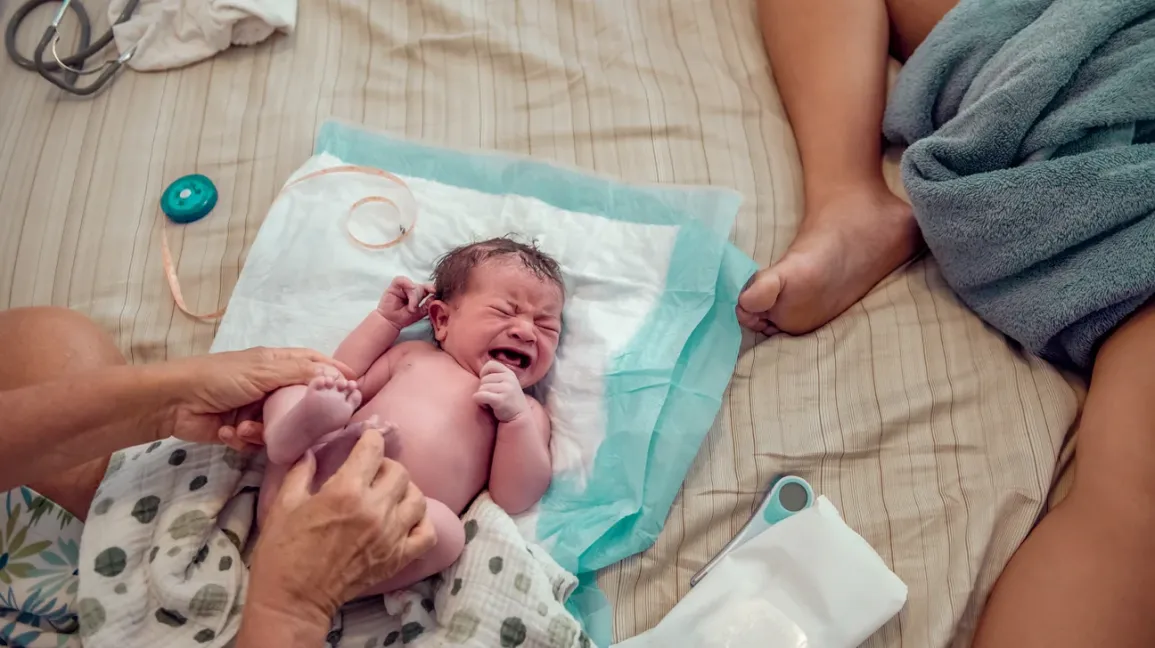
The consequences of the lack of care can be serious, which is seen with how women in these rural areas are more likely to start prenatal care late, have higher rates of pregnancy complications, and face greater risks of preterm birth and maternal mortality. These problems related to no accessible care being provided affects babies as it subjects them to an increasing chance of them being born too small or too soon and without the immediate medical support they might need.
This crisis is not just about geographical location however, and there are many other factors that cause this gap in healthcare. Rural hospitals, for example, have been closing at fast rates, and obstetric units are often the first to go due to low birth volumes and financial strain that make it difficult for hospitals to keep maternity wards open. So, without local options, pregnant women are forced to drive long hours for prenatal appointments or deliveries. In cases of emergencies, those long travel distances can mean the difference between life and death.
The strain that comes with travelling does not end with a decline of the physical health of a community. This can be seen with how the amount of care needed for pregnancy, in most cases, results in the need to make several long trips, adding to financial stress, especially for families with limited resources. The burden of missed work, childcare for older children, and these transportation costs can further discourage parents from attending regular prenatal visits. These gaps therefore widen existing health disparities, particularly for the low-income families in rural areas.
Solutions to this issue are possible, but they require investment and innovation. Expanding telehealth services allows expecting parents to meet with providers virtually, helping to reduce travel burdens, and training and supporting midwives, nurses, and community health workers can fill the critical gaps in care. Policy reforms should also be used to increase funding for rural hospitals and create incentive for providers to work in underserved areas.
Every parent deserves safe, accessible care during pregnancy and birth, a fact that should not be hindered by where they live. Tackling maternity deserts means more than simply building clinics. Instead, it means that trust must be rebuilt, inequality addressed, and the joy of new life must be ensured to not be overshadowed by fear or distance.














Leave a Reply