

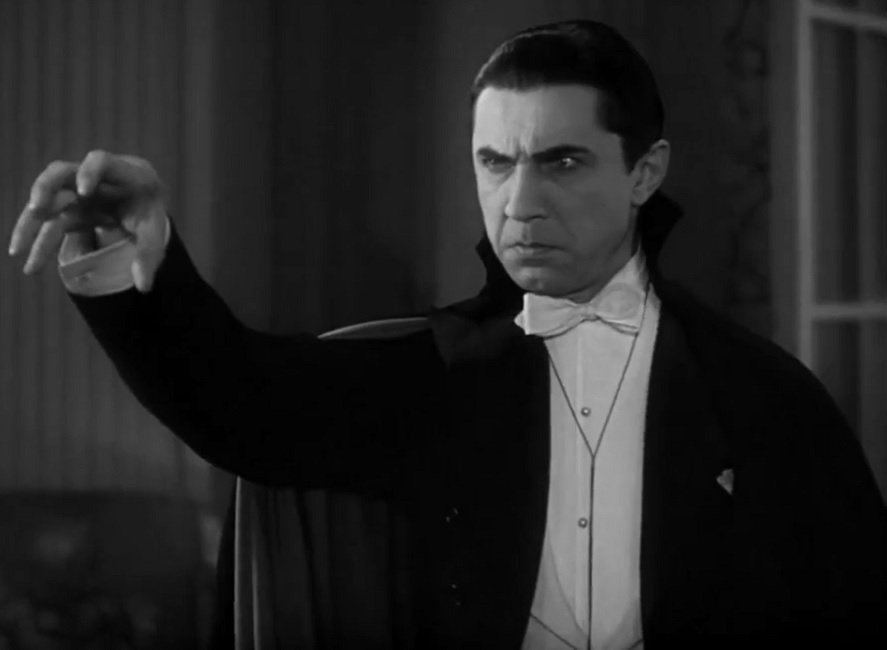
From Carmilla to Dracula to Twilight vampires have changed to the authors’ wants, yet their basic concept remains untouched. Whether we fear them or we idolise them something about the blood-sucking immortal creatures has resonated with us. Vampires are mythical creatures who generally subsist upon the blood of human beings. Sometimes they are depicted as being immortal. They are not just limited to European folklore. Vampire-like creatures are seen in the mythologies of numerous cultures all over the world. Examples include the jiangshi from Chinese folklore, the azeman from South American folklore and the obayifo from Ashanti folklore.
One thing that is enigmatic about humankind’s creation of the vampire is that it shows its face in folktales around the world. For a creation who burns in contact with light, that sounds like a lot of time in the spotlight. Since it is seen all over the world, it begs the question: Did vampires have their roots in reality or did they rise out of the human mind’s coffin fully formed?
According to the Queen’s Gazette from Queen’s University, the myth of vampires is based on a real blood disorder called porphyria. Porphyria is a group of rare disorders that causes the buildup of natural chemicals called porphyrins in the body. Porphyrins are used to make heme which is an essential component in hemoglobin; however eight enzymes are required for the process and when one of the enzymes is not present the porphyrins will simply build up in the body. Symptoms of porphyria include sensitivity to sunlight,red or brown urine, facial disfigurement over time which can cause receding of the gums and make the teeth look like fangs and an aversion to garlic because the sulfur content in garlic can provoke attacks of porphyria. A reason why the legend of vampires became prevalent in Eastern Europe could be because porphyria had become prevalent among the nobility and royalty of Eastern Europe. Another disease that influenced the myth of vampires is rabies. Examples of rabies symptoms are aversion to light and water, aggressive behavior and insomnia. According to PBS, The rabies outbreak in Europe during the 18th century occurred in the middle of the vampire hysteria. PBS also states that natural processes that occur when dead bodies decompose also likely contributed to vampire folklore. Such as when pressure that builds up during decomposition may push the blood of the corpse into the mouth which then gives the illusion that a creature drinks blood.
Vampires seem to be an attempt made by humans to explain the world around them. That is also the reason why the first gods were created and the religions that have persisted today and passed on were brought to life. Now we have the knowledge that overturns our previous beliefs. Vampires are not real. The Earth is not the centre of the universe. A manifestation of that is the fact that vampires have evolved from a portrayal as pure villains in Dracula to a portrayal of moral ambiguity in Interview with a Vampire or even as heroes in the Twilight Saga. It is almost like we have learned to be open-minded over the course of time as we acquired more knowledge about our surroundings. We learned more and got more used to being proven wrong. Our society still has some of the same faults that plagued it during the olden days that may never go away. However, we are starting to consider different points of view. We are starting to wonder if there is more to evil than meets the eye.
The portrayal of vampires throughout literature is an example of this changing mindset. Yes there are vampire portrayals that are still tinged in a negative light, but we are still getting positive portrayals of the so-called “evil creatures” which would have been unthinkable in the time of Bram Stoker. Despite vampires remaining immortal and undying in their stories, our approach towards them has changed.








Leave a Reply