

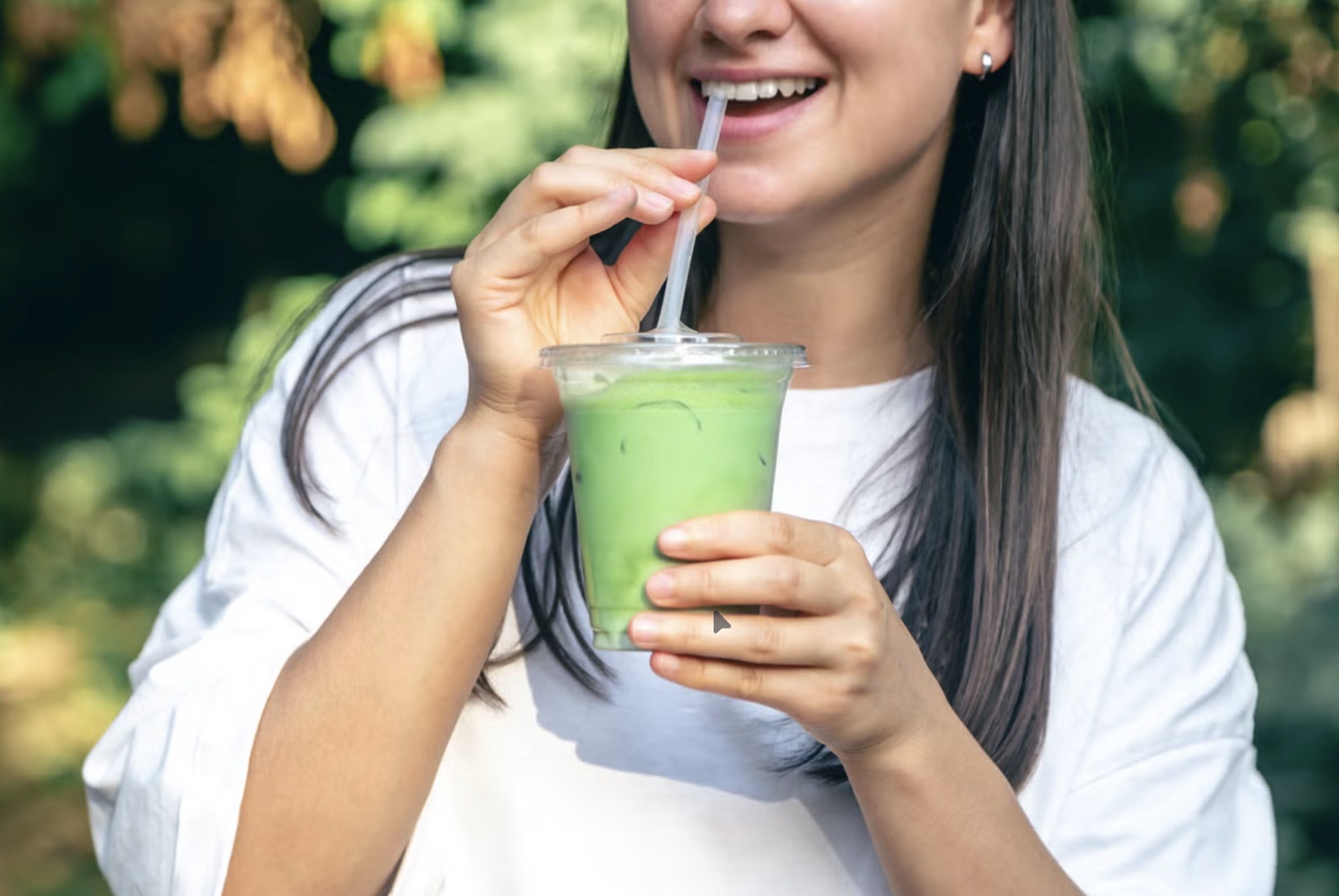
Matcha has always been pretty well known in the global market, but it gained popularity most rapidly starting in the early 2020s and is still expected to grow strongly into 2026. The reasons that can explain that growth are definitely the unique visual aesthetics and social media trends. There are also large chains like Starbucks and Dunkin’ that have matcha on their menu, and matcha is a staple in cafes globally. But the most important reason is matcha’s reputation for health benefits. Many people promote matcha to be healthier than coffee because it provides calmer energy compared to the crashes from coffee.
First, it is important to know that matcha has its pros and cons. Matcha is not necessarily unhealthy, but many people tend to highlight matcha’s benefits, which sometimes makes it hard for others to fully know all the impacts matcha can have on their health. This applies mostly to those who replace coffee with matcha. In reality, matcha still is a caffeinated beverage, and people who are sensitive to caffeine shouldn’t rely on the fact that matcha is simply better. L-theanine, the amino acid that promotes the calm energy from matcha, is not going to change anyone’s caffeine sensitivity. Matcha contains a lot of antioxidants, which are good for health. Overconsuming matcha can mean more antioxidants, but as too much of anything is bad, consuming too much matcha also means more caffeine and potentially higher levels of heavy metals. The antioxidant EGCG (epigallocatechin gallate) can also become toxic at higher levels.
There is also the issue where matcha affects iron absorption. Matcha contains a high concentration of tannins that can block the body from absorbing iron. This isn’t good for those who already have an iron deficiency or those who are susceptible to it, such as vegetarians or pregnant women.
Now, as long as the individual moderates or limits their daily matcha intake according to their circumstances, it is not going to be a serious health problem and may still get all the health benefits from matcha. Matcha might not always be a good choice for everyone. It can be for someone who struggles with the need to feel awake in the morning and take that sustainable energy matcha provides at a good, healthy intake. People don’t have the same addiction to coffee with matcha because of its sustainable energy.
Matcha is a pretty good replacement for coffee, but it isn’t the only one. Moderation and careful consideration are key to having a healthy daily routine to start the new year.











Leave a Reply