

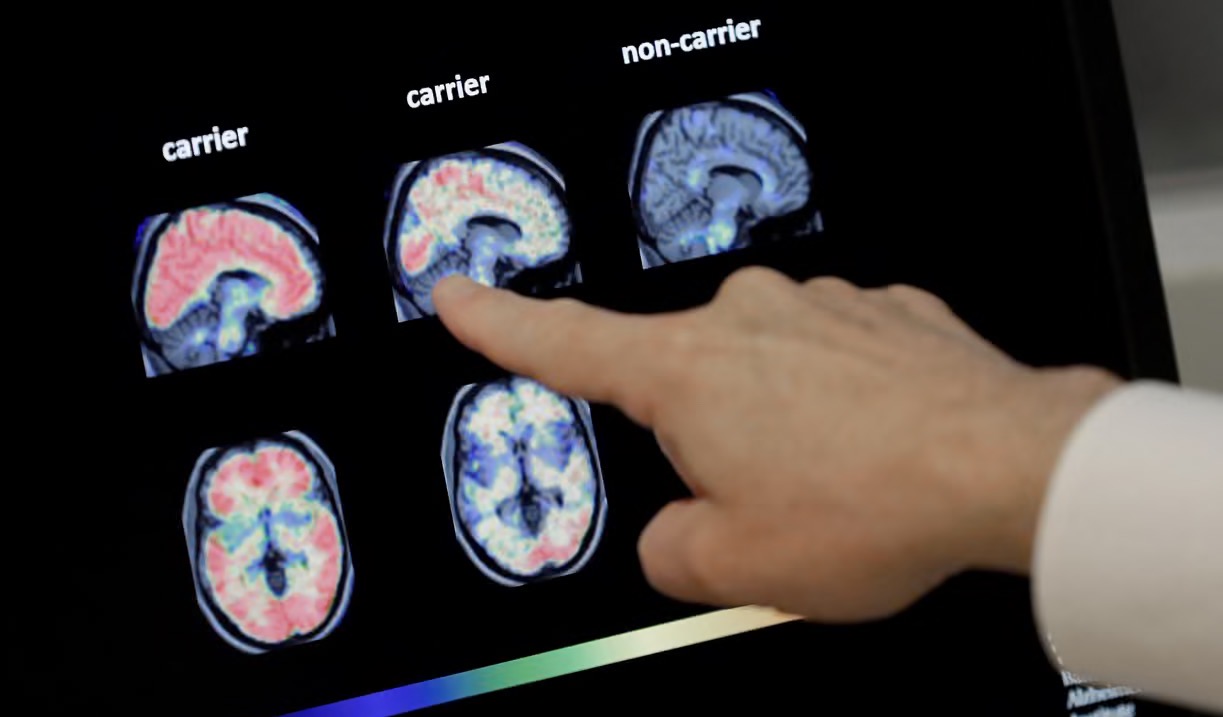
The brain is one of the most important organs in the body, essential to every single bodily function performed. As such, its wellness is crucial for living a long and healthy life. Being able to detect, and possibly even prevent, brain-related health issues such as dementia, brain aging, and brain cancer is extremely important. To help doctors predict these health issues, researchers have developed a machine learning model centered around early detection that has been trained on 49,000 MRI scans.
The AI tool that the researchers have developed is called Brain Imaging Adaptive Core (BrainIAC). The AI model utilizes the data of thousands of MRI scans to understand how the brain is structured. These scans are the model’s baseline knowledge, and it is subsequently able to identify various brain diseases, determine their severity, and predict future risks from these diseases. With advanced computational imaging techniques, researchers would be able to track a variety of chronic and acute diseases linked to the brain.
Through testing of BrainIAC with a variety of different brain scans, the researchers found that the machine learning model was able to help identify brain age, predict dementia risk, detect brain tumor variations, and predict brain cancer survival rates. This information would allow patients and clinicians to be informed of what preventive measures are available to increase the chance of survival. For example, if the model predicted a high risk of dementia, the corrective measure that would be recommended by a doctor would be to increase physical exercise and cognitive training.
The researchers also found that BrainIAC outperformed other machine learning models and was productive even when the training data was limited. One of the largest barriers to building accurate and clinically-translatable AI models is the lack of large, well-composed datasets. Oftentimes, these are stuck in hospitals and require a lot of effort to organize and utilize. With BrainIAC, the researchers have shown that it is possible to develop a model using unlabeled data and allowing it to learn along the way.
In the future, the researchers are looking towards extracting even more data from MRI scans, as there is a whole wealth of untapped data that is not being extracted. More evaluation is needed in clinical practice for these models to actually go mainstream and become a clinical tool for doctors as well as patients. More research is needed in this area, but the early findings are showing that AI can alert patients of brain-related diseases earlier than before.














Leave a Reply