


In Battle Hymn of the Tiger Mother, which is a 2011 book by Amy Chua. Chua’s attempts for perfection for her children are chronicled in the somewhat form of a memoir. This book caused a global debate on the methods of parenting when it was released.
The book espouses that children must be pushed as hard as possible for the sake of perfection and for the sake of making them successful. Battle Hymn of the Tiger Mother also passes off this kind of parenting as Asian and contrasts it with “soft” Western parenting.
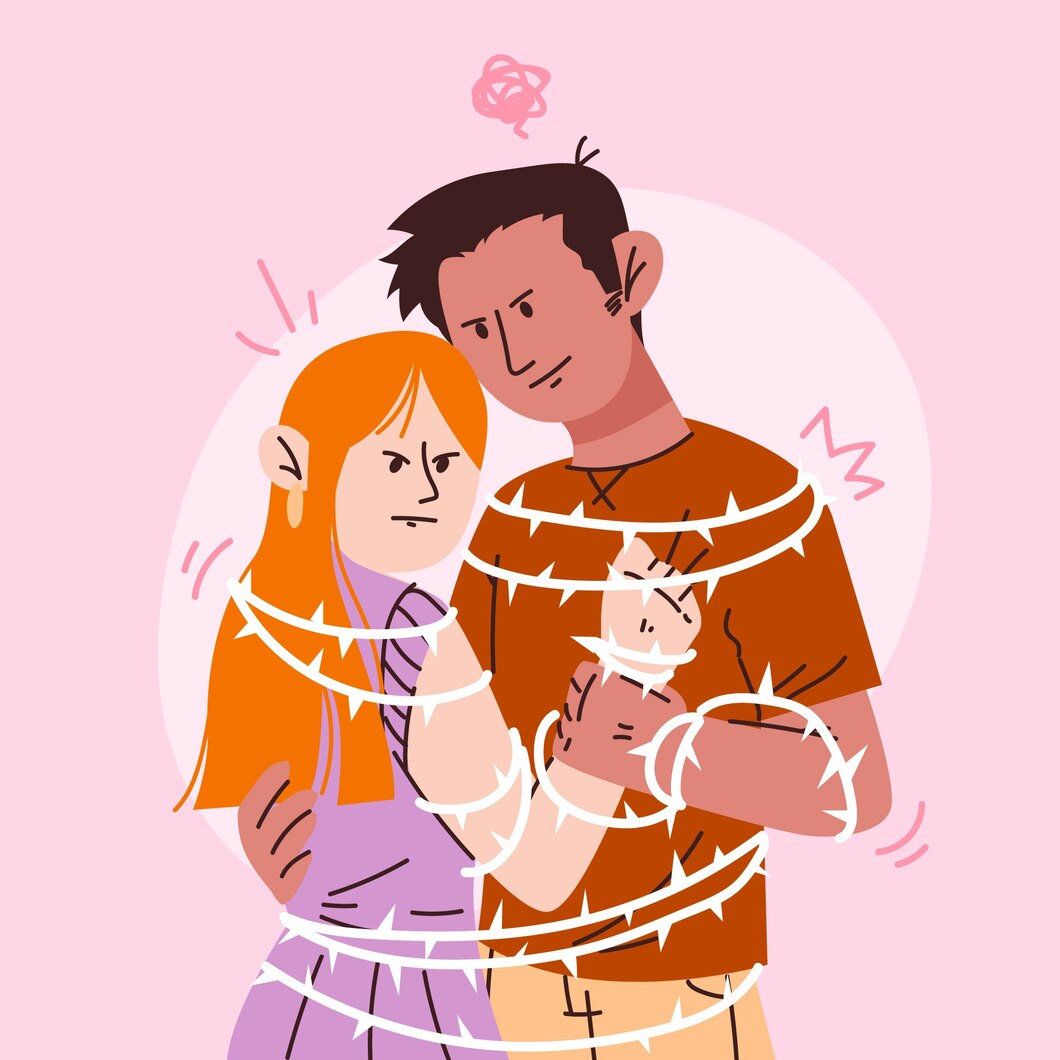
However, as we all know from our experience of living life, complete perfection is often unattainable. And you cannot keep pushing someone unwillingly towards perfection without expecting a fallout. This does happen in this book with Amy Chua’s younger daughter rebelling against her mother to the point that Chua has to escalate to threatening her daughter to get her to obey. Ultimately, that is the only significant fallout from Chua’s parenting method, and that causes her to give her daughters slightly more freedom. Battle Hymn of the Tiger Mother is not an accurate portrayal of the consequences of striving for perfection, simply because it is covered due to the narration being biased towards Chua. Amy Chua’s children, on the outside look to be successful (due to their admission into Ivy Leagues), well-adjusted adults despite their upbringing. This is the reason why Chua’s “Asian parenting” achieved as much support as it did. In fact, Chua’s Asian parenting cannot even be called Asian parenting because not all Asians raise their children this way( I am from an Asian household myself). Chua allows her parenting methods to hide under the guise of Asian parenting through the use of generalizations with little sourced statistics to back them up.
So, what are the effects of the pursuit of perfection that Chua does not show us in her book? According to Psychology Today, the negative outcomes of perfectionism are “procrastination, avoiding challenges, rigid all-or-nothing thinking, toxic comparisons, and a lack of creativity…depression, anxiety, obsessive-compulsive disorder, eating disorders, and even suicidal impulses.” These are side effects that would deeply affect one’s ability to do work. The little to no mention of these outcomes despite Chua’s extreme parenting style, is what makes it biased in favor of toxic perfectionism.
Chua does get humbled by the end, but it is mainly in regard to her second daughter, who rebels with little mention of how her parenting affected her first daughter. She does not make the complete leap to realize that her actions are irrevocably wrong. That is what makes this book flawed in its portrayal of perfectionism, coupled with the fact that focused largely on herself rather than her daughters in this book.












Leave a Reply