

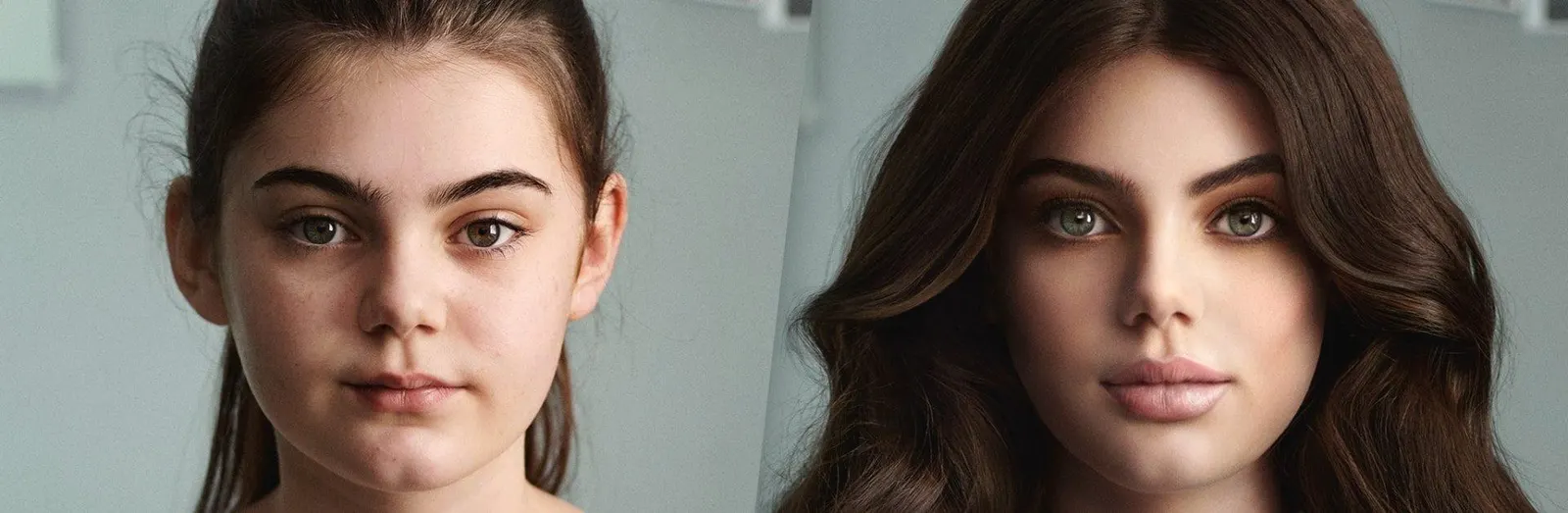
Social media now constitutes a digitally idealized epoch whereby one’s face is subjected to more filtering, editing, and curating than ever. What was once attained through cosmetic surgery, people nowadays possess a range of beauty filters acquired by simply swiping on trendy social media platforms such as Instagram, Snapchat, and TikTok. There is a slimmer jawline, smooth skin, and larger eyes in these filters. While these filters will probably be assumed to be harmless, they are transforming adolescents’ reality, beauty, and even self.
“Fleshed-out” self-portraits don’t happen quite as much anymore, though, as more and more heavily doctored ones get posted, liked, and commented on.
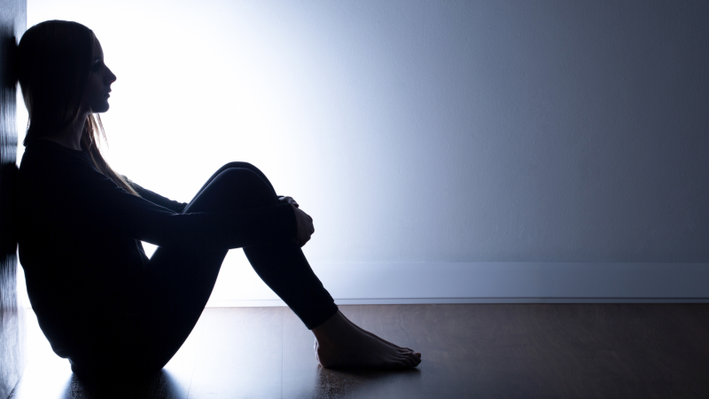
The result? The larger distance between off-line and on-line selves is now larger than ever. Hyperreality makes it easier to live in a world where the manufactured representation of oneself is more famous than it is. The audience members begin believing the filtered image or image taken through the filter is the point of comparison they must hit. Mental health practitioners issue an alarm on incessant exposure to idealized imagery of oneself as well as other individuals causing insecurity, comparing, and dysmorphia body.
In a 2023 report published by the Dove Self-Esteem Project, 80% of teenage girls have already employed a beauty or editing filter app by age 13, and 48% said they want to look like their filtered pictures. The figures identify an alarming trend: when everyone starts to appear the same online, with every perfectly chiseled jawline, flawless complexion, and button nose. But the question is left, What is real, and what do we want to be?
A response from some of the media has been witnessed in recent times. Campaigns like #FilterDrop and TikTok’s current “edited” warning label try to promote greater levels of candor. TV dramas like “The Bold Type” and TV documentaries like “The Social Dilemma” reveal the effect of filter culture on mental health and the expectation of beauty norms. Far, far more, though, is yet to be done. When influencers and content creators apply filters, they continue unrealistic expectations of what one is supposed to look like.
Teenagers need more reality than perfection these days. Gen Z consumers in a 2024 Pew Research survey would rather watch imperfect, struggling, and with real faces over perfectly groomed content. Because there is a lot of pseudo content, they are drawn to something real. Other than being charismatic, influencers Bretman Rock and Nabela Noor, who share unedited content in everyday life situations, have dedicated followers because they cannot replicate digital ideals.
Finally, it is our online selves that guide our moods. The overuse of beauty filters can make one feel disconnected from and dissatisfied with actual reality. It is time that influencers, the masses, and the media redefine beauty.










Leave a Reply