

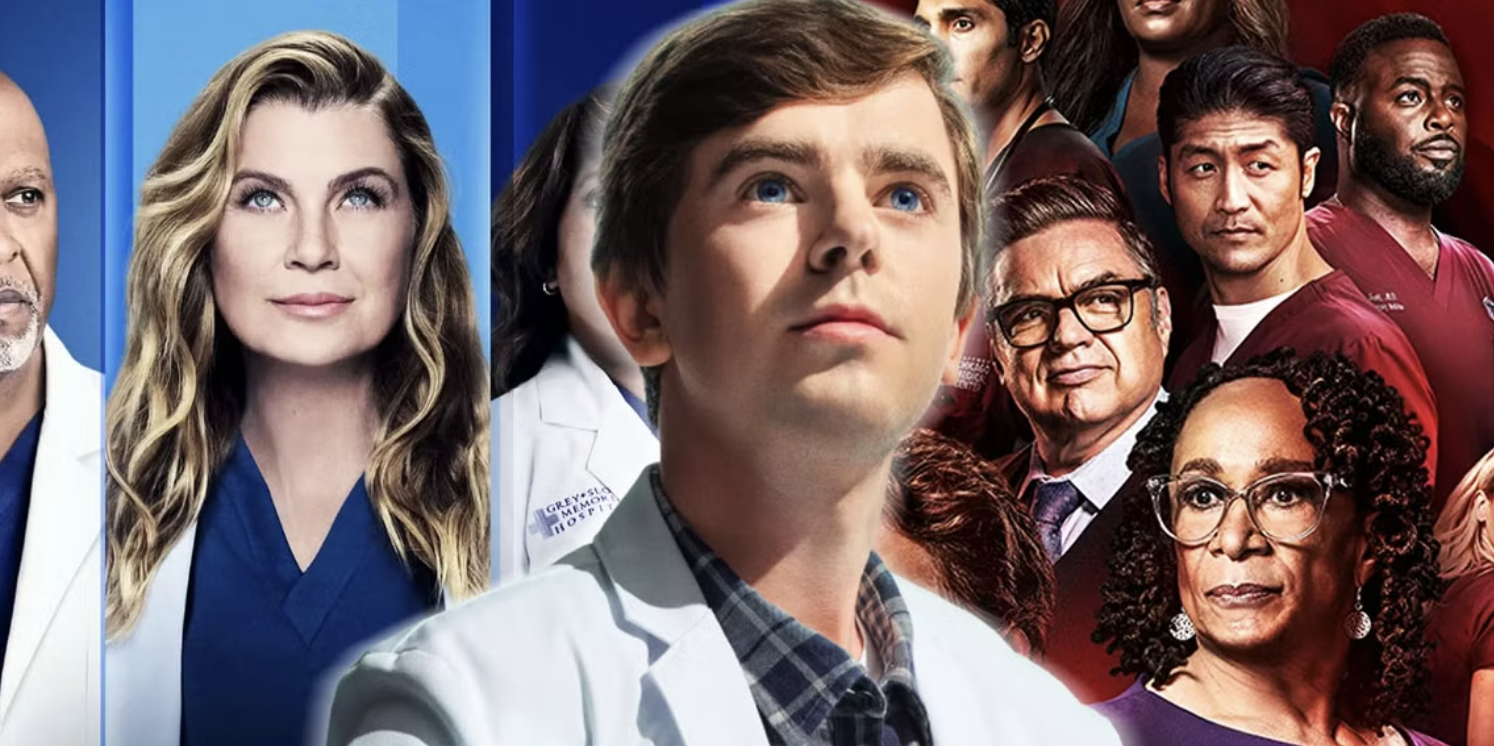
What do Grey’s Anatomy, The Good Doctor, and New Amsterdam have in common besides the dramatic medical emergencies and tense emergency room scenes? They have all played a part in influencing and shaping how today’s teens view the world of healthcare, and for many years, they have sparked real career dreams. These medical TV shows are more than just entertainment; they are influencing the next generations of healthcare professionals and how young viewers imagine their future in medicine.
A 2019 study in the Journal of Surgical Education found that many students entering pre-med programs were first inspired by different fictional characters and portrayals of doctors and surgeons. For teens who don’t have direct access to or exposure to hospitals or healthcare workers, these shows become the closest thing to shadowing a professional experience. The characters are confident, and passionate, and often save lives in the nick of time. It’s now obvious why so many teens find themselves thinking to themselves, I could do that.
Characters like Dr. Meredith Grey from Grey’s Anatomy have become influential icons in the medical drama world; her resilience through personal and professional chaos shows young viewers that strength and vulnerability can coexist. In The Good Doctor, the young surgeon with autism named Dr. Shaun Murphy, offers a refreshing perspective on neurodiversity in medicine, inspiring teens who may not see themselves represented in healthcare roles. In contrast, Dr. Max Goodwin in New Amsterdam challenges the system with a “How can I help?” approach, modeling the kind of leadership that resonates with Gen Z. These characters resonate with young viewers because these characters don’t only perform surgeries, they show that being healthcare professional means advocating and growing which makes the career path feel both heroic and human.
But here’s the kicker: TV doesn’t always get it correct. While these shows often highlight the heroes and heart of medicine, they also glamorize it unrealistically. A review of health communication showed that medical dramas exaggerate the success of medical surgeries, and treatment and downplay the complexity of patient care. Viewers rarely see the downside, the long nights of studying, the ethical dilemmas, and the emotional weight that comes with pursuing medicine.
This distorted perspective can lead to high expectations and teens might enter college with the expectation of the excitement of emergency surgeries and instant recoveries, only to face years of rigorous coursework and the slower pace of real hospital life. It’s not that the passion sparked by TV is bad, it needs to be paired with realistic guidance and accurate information.
That said, the media still holds powerful potential. When shows portray the emotional challenges of healthcare or highlight underrepresented communities, they can break down stigma and broaden teens’ understanding of the field. The Good Doctor, for example, created a conversation about neurodiversity in medicine. Never Have I Ever showed therapy as a normal part of teen life. Even shows like New Amsterdam have tackled public health issues, racial disparities, and the importance of community care.
The truth is media can be both a mirror and a motivator. It can reflect the growing interest teens have in meaningful, people-centered careers and inspire them to pursue paths they never thought were possible. But as with any media, it is important to teach young people to question what they see, seek out real-world experience, and understand that saving lives doesn’t always come with a dramatic soundtrack. As healthcare heroines continue to make headlines in real life, the fictional ones are shaping the next generation, one binge at a time.













Leave a Reply