

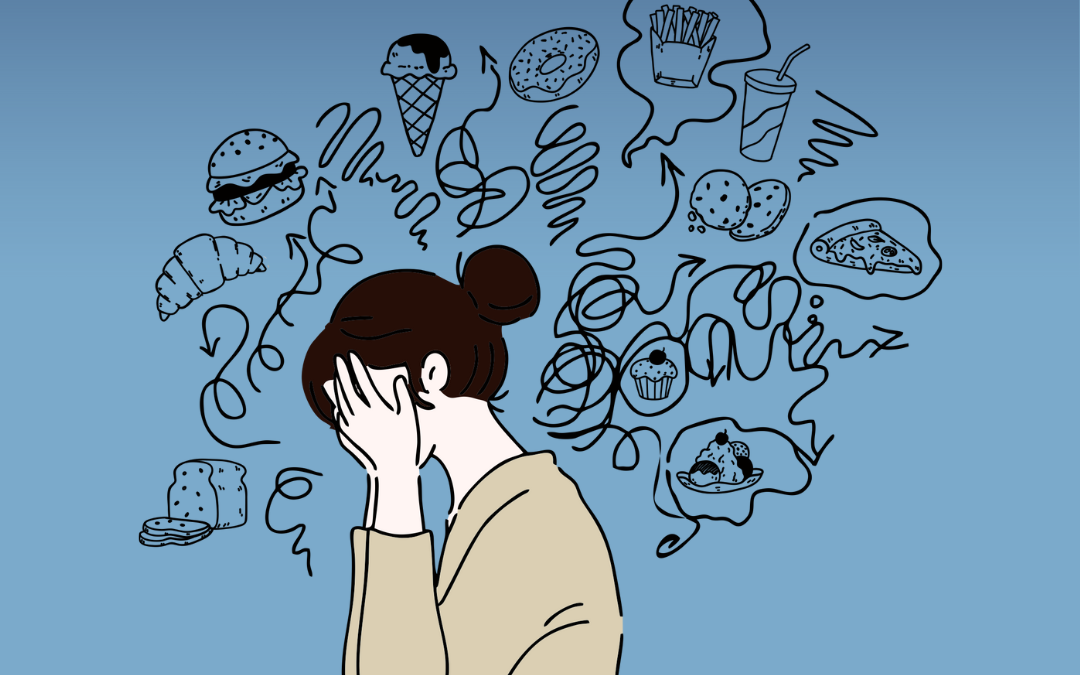
I remember sitting cross-legged on my bed, watching as Blair Waldorf hunched over a toilet in a spotless bathroom stall. The moment was only seconds, a brief glimpse into a soul-destructive struggle with mental illness that would consume her throughout the series. Along with millions of other teenagers, I absorbed these images, unaware of how they were quietly conditioning me to look at food, body image, and self-worth.
What does it do when the very television shows we watch for comfort and escape are teaching us harmful lessons about our bodies as well? Eating disorders affect millions of teens worldwide, and they’ve become more and more popular storylines on shows we’re watching. But these shows have tremendous power: they can illuminate the path to healing or cast shadows that drive individuals further away from connection and pain.
Beneath the gossip and scandal of shows like Pretty Little Liars and Gossip Girl lurk disturbing portrayals of eating disorders that do more harm than good. When Hanna Marin’s bulimia is employed as part of her development from an outcast to “it girl,” what message does that send to vulnerable viewers? Her struggle is held up as a stepping stone to acceptance, brushed aside moments later as the story continues, no resolution of substance, no revelation about her recovery.
Blair Waldorf’s story is no exception. We see her throw up after tense arguments or guilt-stricken moments, but the show never actually delves into the emotional devastation or lasting damage of her behavior. Both shows oversimplify complex mental illnesses and make them plot devices, missing out on possibilities to enlighten or sympathize
Not all portrayals fall into these traps. Ginny & Georgia on Netflix does something else with Georgia and food and control. Her eating disorder isn’t just for the drama but a part of her past and emotional pain. We watch it as what it truly is: a survival mechanism forged from abuse, survival, and the desperate need for control.
What makes this depiction stand out is that it won’t glamorize. Georgia’s eating disorder hangs over the edge of her gussied-up character, not as a “look” or fashion, but as a personal fight with emotional suffering. By situating disordered eating as part of a larger mental health issue, the show leaves space for authentic introspection rather than sensationalism.
Teen dramas are not alone. Teenagers now flip between episodes of Netflix and TikTok videos, where hashtags like #EDrecovery might unlock either support groups or toxic “thinspo” content within seconds. When mainstream media is unable to provide clear-cut, responsible messages, social media fills the gap, typically with mixed results.
“I learned more about my eating disorder from TikTok than from my doctor,” a 16-year-old told me recently, a statement at once hopeful and chilling. In this digital space, media literacy is as important as what’s being said.
In a world filled with incessant messages about looks and value, careful media representations can be lifelines. They can legitimize suffering, diminish shame, and shed light on ways to heal. But when used negligently, they can normalize harmful behaviors and exacerbate isolation.
The narratives we share matter. The way that we narrate about mental health influences the way young people interpret their own narratives. With more young audiences, creators must be up to the task of fulfilling this duty to narrate these stories with integrity, empathy, and respect.
Because of the bedridden teenager, to see herself represented in the characters who seem to be experiencing her greatest struggles, genuine representation is not only important, it’s a matter of life and death.











Leave a Reply