

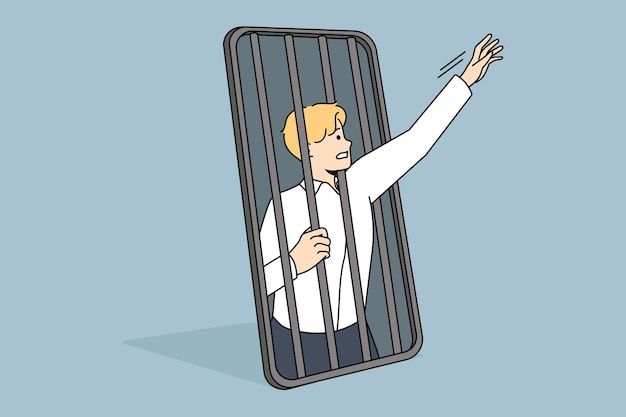
It started with just five extra minutes after homework. Then it was bedtime, and it was an hour. Next, Jade could no longer distinguish between her day and a virtual one. She was sleeping less than half a night on average, doom scrolling TikToks and Instagram feeds, switching between apps until the sun peeked over her curtains. She didn’t sleep much anymore and she was numb.
This isn’t another “phones are bad” story. This is one of digital dissociation, a rising mental health phenomenon among teens who scroll for hours on end as a way to cope, sometimes unaware.
According to the 2023 Common Sense Media report, teenagers spend 3 hours and 39 minutes per day on screens for entertainment alone, excluding schoolwork. Too much screen time in any way may be unhealthy or unhelpful, but the report also found that 1 in 3 teens indicated that social media makes them feel worse about themselves.
For Jade, scrolling wasn’t a bad habit. She’d just moved to a new school and lost touch with her previous friends, so her feed was her sanctuary. “It was better to see strangers live than to cope with feeling alone,” she said
Psychologists are seeing a lot more of this and are blaming it as a form of dissociation, a state where the person is out of contact with reality or with their own emotions. Child psychologist Dr Linda Healy describes it as “A lot of teens are using their phones to escape, not entertainment. It’s a distraction from anxiety, depression, or even just boredom, but it actually distances them more over time.”
In 2021, the CDC’s Youth Risk Behavior Survey reported that over 44% of high school students felt persistent sadness or hopelessness during the past year. Add in endless comparison on social media, exposure to traumatic content, and lack of real-world connections, and you’ve got the recipe for emotional shutdown.
But the bad news here is that digital dissociation is covert. Unlike drug use or cutting, it can seem perfectly normal. A withdrawn teen hunched over a phone isn’t suspicious. It’s normal. Teachers and parents are often unaware that the seemingly innocuous scrolling is a coping strategy masking emotional pain.
With Jade, everything came to a head when she started ditching class. Her sleeping habits were disrupted, her grades tanked, and she did not return texts, even her mom’s. “I wasn’t being distant,” she said. “I just didn’t feel real anymore.”
Her wake-up call came when a school counselor noticed her zoning out during a conference. She was urged to get therapy, where she learned how her screen usage was numbing her feelings and recovery.
Solutions are not simple, but they are with consciousness. Media literacy instruction is finally beginning to address not just the dangers of social media, but the emotional practices that go along with it. Even some schools have added “tech free zones” and “digital wellness” courses.
Experts also suggest parents ask more pointedly, not just “how much time are you on your phone,” but “how does going online make you feel?” It’s about creating room for teens to reflect and to reconnect.
Jade still clocks the time on social media. But now she uses timers, writes a nighttime journal, and most importantly, calls someone when she is overwhelmed. “I’m still figuring it out,” she said. “But I finally feel like I’m present in my own life again.”













Leave a Reply