

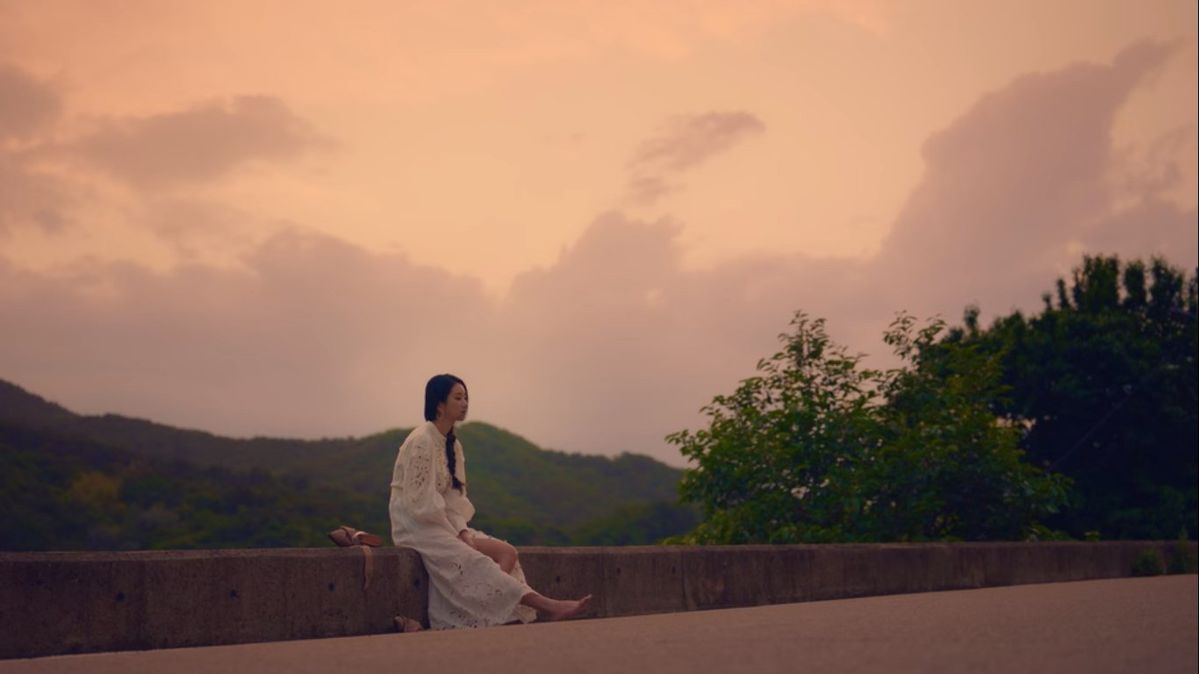
The K-drama “It’s Okay to Not be Okay” is not the usual kind of romantic show. It provides insight into what it’s like to be someone with autism. Individuals with autism go through mental difficulties on a day-to-day basis, especially those who are not often found in society. Moon Sang-tae is one of the main characters in “It’s Okay to Not be Okay” and is an autistic person who was raised by his younger brother. The series perfectly captures how human behavior affects the psychological condition of an autistic individual.
Sang-tae, played by Oh Jung-se, is the older brother of the main character Moon Gang-tae. He is autistic and a passionate lover of visual arts like drawing, and a children’s book writer, Ko Mun-yeong. His character is great in showing how authentic his experiences are. The series does not hide him or “cure” him of his autism. Instead, it makes the viewer see the world from his perspective, the nice and painful things.
One of the most striking scenes in the series is when Sang-Tae goes to Ko Mun-yeong’s book signing. He’s so thrilled to catch a glimpse of Ko Mun-yeong as she’s his favourite writer. He wisely selects what he wears and brings his favourite book. But when he shows up to the signing, people start muttering and staring at him. Others went as far as to make rude comments about strongly disliking his behavior. It can be seen how insecure and out of place they make him feel through his reaction to them.
Even though he tries to remain calm, one can see that Sang-tae is hurt. He throws his arms around and begins repeating some words, one of the tactics he uses when he feels pressured. Rather than making this look “weird,” the drama educates the viewer to see that it is merely his mechanism for dealing with hardships. It’s how he copes in a world that largely misinterprets him.
Sang-tae does not just forget the experience after it happens. He kept reminding himself of what happened and began to question whether he belonged in public spaces like that. It would take his brother Gang-tae’s love, patience, and care, as well as Ko Mun-yeong’s, to make him feel safe again. They don’t just order him to “get over it.” Instead, they leave him alone, are nice to him, and tell him that he is important just as he is.
What makes “It’s Okay to Not be Okay” special is that it doesn’t water down Sang-tae into a stereotype or supporting character. He has developed with his own aspirations, anxieties, and emotions. He becomes able to speak more, make greater connections, and grow more confident. But the show does not forget that it is not only his personal transformation, but also the transformation of society. People must learns to accept more and be more tolerant.
This drama breaks stereotypes of typical autistic individuals. It gives us life as it unfolds through a struggling protagonist and how he copes with it. This show is so amazing and real. Above all else, it does a reversal of our presumptions as viewers. It makes you question just how quick we are to judge people without an idea of what they are coping with.
Seeing Sang-tae survive daily struggles is something most of us don’t even think twice about; it sensitizes you. The impact of the show is not just to narrate a story but to educate people on autism and mental health illnesses that many shy away from.
In the end, “It’s Okay to Not Be Okay” isn’t just a drama; it’s a message. A message that lets us know that it’s okay to be different, it’s okay to struggle, but most importantly, it’s okay to not be okay.











Leave a Reply