

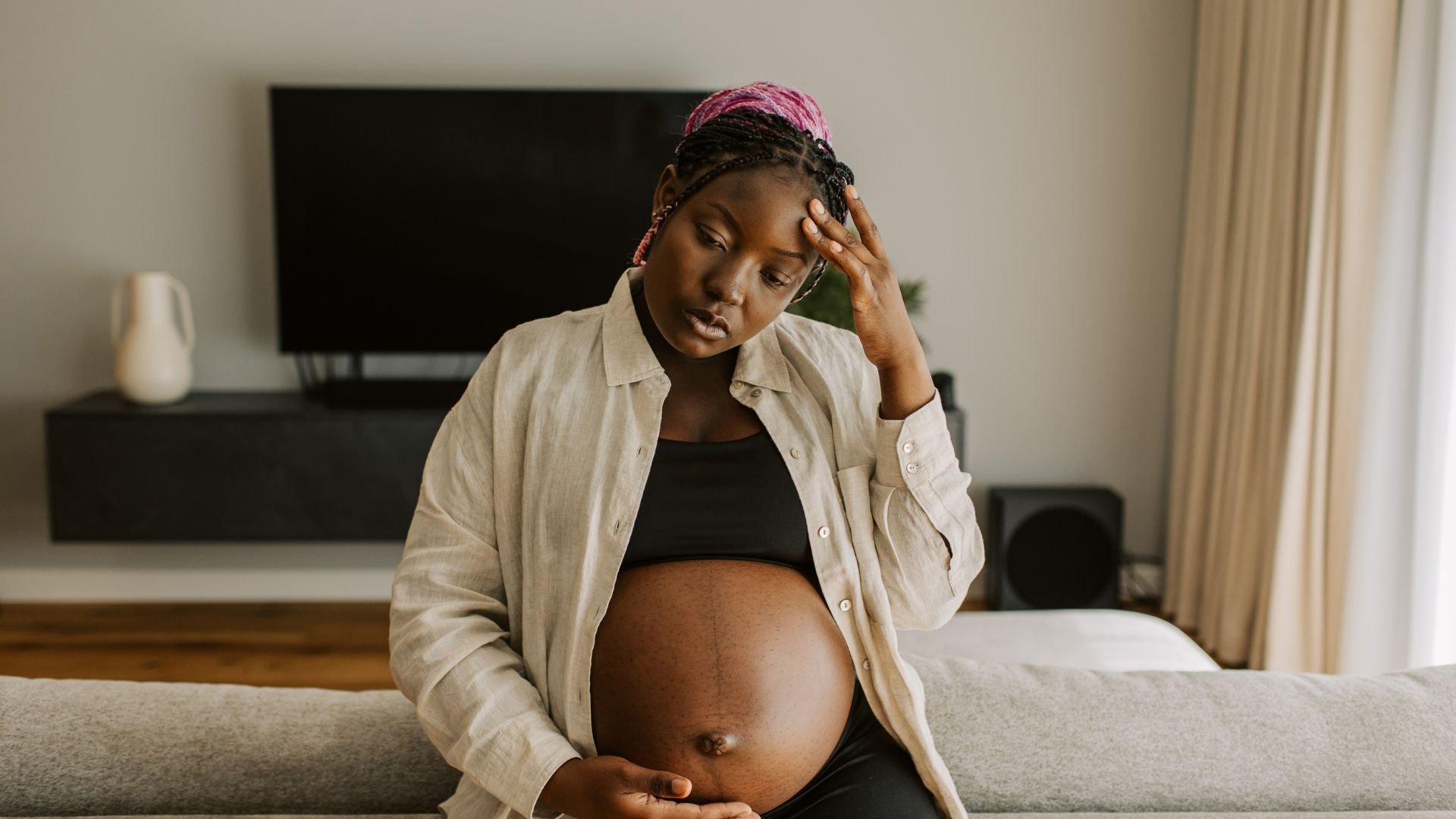
Across the world, giving birth should be a time of joy and new beginnings. But for many Black and Indigenous women, it can also be a time filled with danger. Even in countries with advanced healthcare systems, deep rooted inequality often means that not every mother receives the same quality of care. These gaps in treatment are the product of decades of racism, inequality, and a healthcare system that frequently overlooks or mistreats those who need it most.
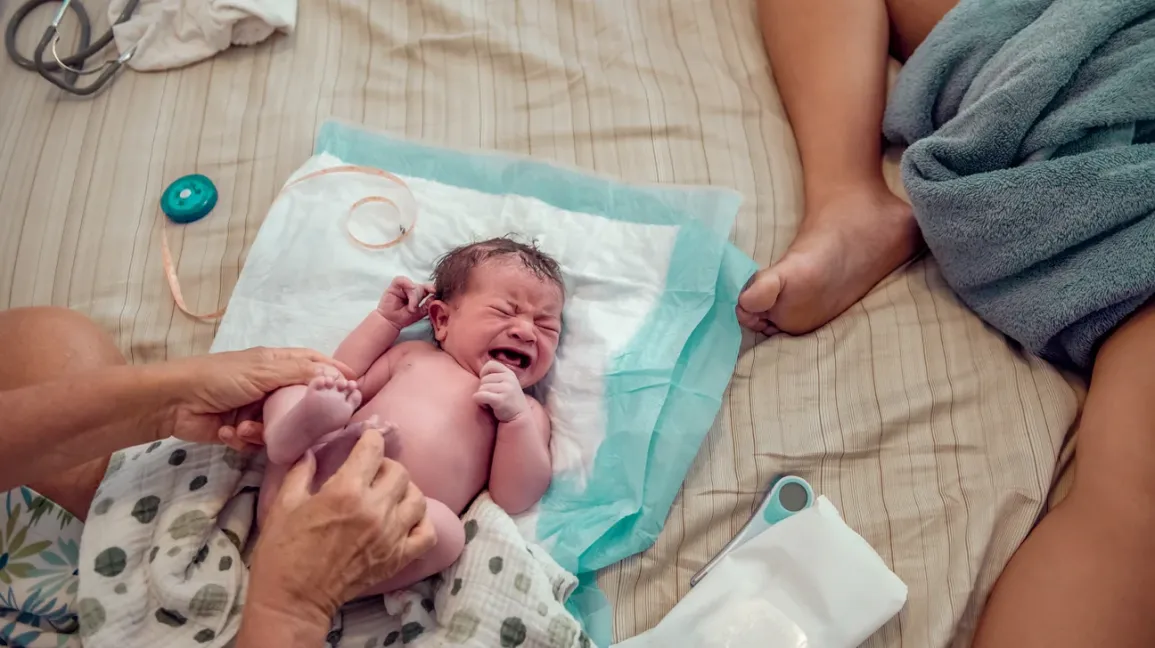
Maternal and infant mortality rates in these communities continue to be shockingly high. In many places, Black and Indigenous mothers are two to three times more likely to die from pregnancy related causes than women from more privileged backgrounds. The pattern also appears in infant deaths, with babies from these communities more likely to be born prematurely or at a low birth weight. These outcomes have less to do with a mother’s health and more to do with the system’s care for her, or lack thereof.
One key problem is that many women of color are not heard when they express concerns about their bodies. Research shows that healthcare providers sometimes ignore or downplay the symptoms of these women. This can lead to dangerous delays in care, preventable complications or even death. When a woman’s pain is dismissed, her life as well as that of her unborn child is put at risk.
Beyond physical care, emotional stress plays a huge role. The constant pressure of discrimination, whether through unfair treatment or fear of not being taken seriously can lead to chronic stress. Stress doesn’t just impact the mother; it can affect the developing baby. This long term stress can affect pregnancy outcomes, increasing the chances of early labor and other complications.
These disparities don’t stop at birth. After delivery, women of color are less likely to receive proper follow-up care or mental health support. They may face challenges that can affect both their recovery and their baby’s health. For indigenous communities in particular, historical trauma and the loss of cultural birthing traditions have made it even harder to access safe and supportive healthcare.
Solving this crisis means addressing more than just hospitals. It requires investing in culturally competent care, hiring providers from diverse backgrounds and rebuilding trust between healthcare systems, and the communities affected. It also means changing policies, making prenatal care easier to access, and tackling racism as the public health threat it is.














Leave a Reply