


The word perinatal is often used in health, but most people are not very sure what it means. In simple terms, the perinatal period is the time before, during, and shortly after birth. Doctors and public health experts pay close attention to this period because it is one of the most critical stages of life. What happens during these months tends to influence the health of a child for many years. The perinatal period is quite broad, ranging from approximately week 22 of pregnancy up to about a month after the baby is born.
Before Birth
The first part of the perinatal period is the period during the last months of pregnancy. During this time, the organs are completing their development and maturing in ways that will allow the baby to survive outside its mother’s womb. The baby is gaining weight rapidly, the lungs are maturing for breathing, and the brain is continuing to develop. To the mother, this stage can bring physical stress. She may have to deal with swelling, backache, or sleep problems. Doctors advise regular checkups for conditions such as high blood pressure or gestational diabetes. The complications may affect both mother and baby, and hence checkups are of utmost importance. Early medical care can prevent complications and help in the safety of the delivery.
Labor and Delivery: During Birth
The second part of the perinatal period is the birth itself. A big physical event for mothers is labor. At this time, hospitals, clinics, and trained midwives play a huge role in monitoring both mother and baby for any signs of distress. In the event of complications, medical teams can act swiftly to protect them. Some births are uncomplicated and follow the expected course. Others require medical intervention, including a cesarean section or the use of instruments to assist in delivering the baby. Regardless, the focus of perinatal care during labor is always the same: keeping both patients safe while supporting a healthy beginning for the newborn.
After Birth: The First 28 Days
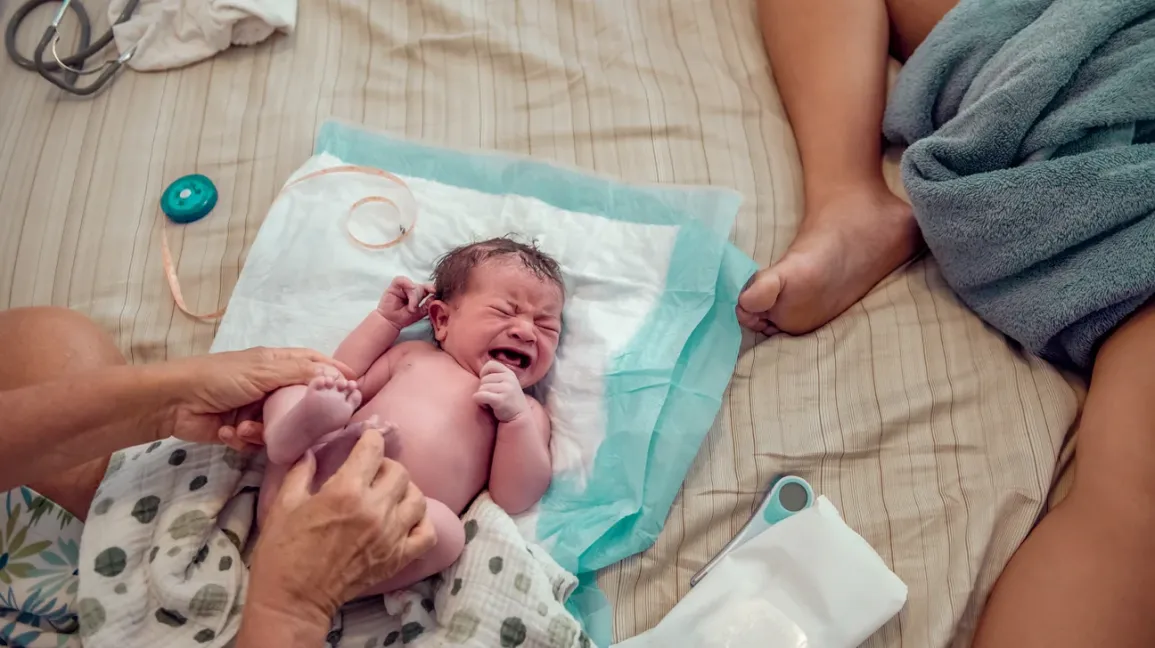
The last phase of the perinatal period is the first month of life, in which a newborn is quite vulnerable. Babies have to get used to breathing air, eating, regulating their body temperature, and fighting germs. This means that due to an underdeveloped immune system, they are quite vulnerable to infections. Doctors keep a close eye on newborns to make sure they are feeding well, gaining weight, and do not develop any signs of illness. At this stage, mothers also need support. They might go through physical recoveries after childbirth and emotional changes, such as postpartum mood changes. Accessing health care, family support, and information about newborn care makes the transition easier.















Leave a Reply