


If you ask most people what complications might arise during pregnancy, they will often think of emergencies like excessive blood loss or severe infection. However, one of the world’s most common and least acknowledged pregnancy killers is something silent: maternal anemia. Maternal anemia impacts more than one-third of women during gestation, and many do not discover their condition until it’s too late, and both mother and fetus suffer. International maternal health experts have deemed maternal anemia a hidden epidemic in perinatal health fields due to the consequence’s long-term impact.
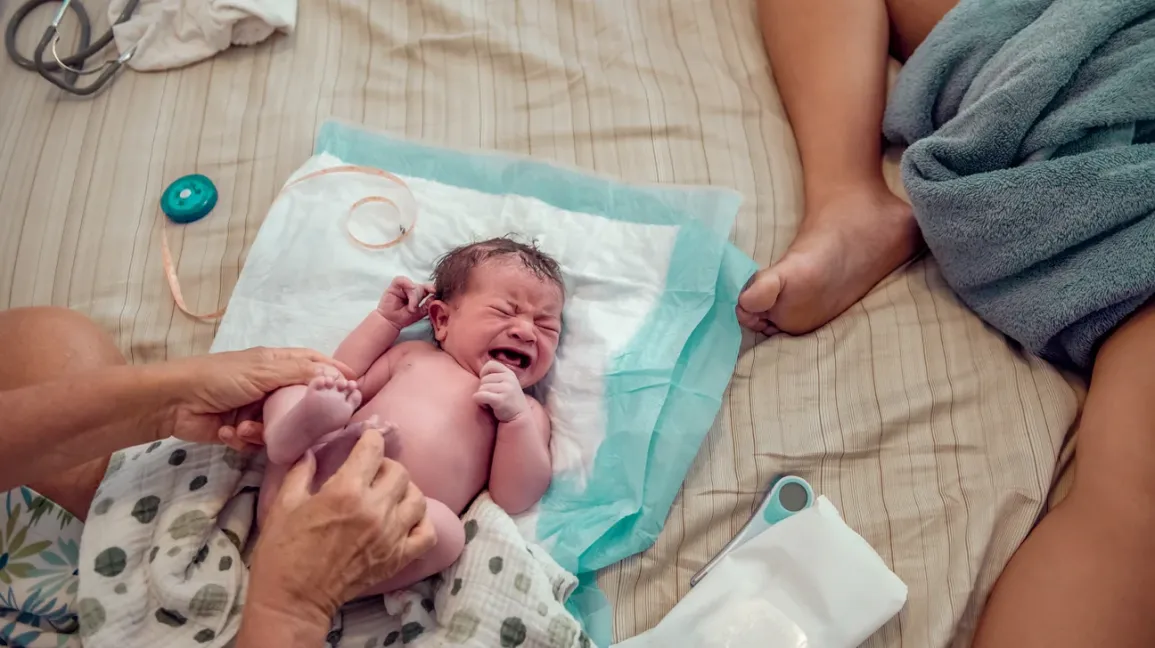
Maternal anemia occurs when a woman does not possess enough healthy red blood cells or iron to circulate oxygen throughout her body. The way a woman’s body changes over the course of pregnancy increases her iron consumption needs exponentially. This means, with limited access to nutritious meals and consistent prenatal vitamins, maternal anemia can occur easily. Symptoms begin mildly – fatigue or malaise – but a mother diagnosed with anemia may experience preterm labor, low birth weight, postpartum hemorrhage, and complications in delivery. Likewise, infants born to anemic mothers have developmental delays, decreased immune capabilities, and long-term growth patterns.
Reasons for maternal anemia are connected to international health disparities at large. The number one cause of maternal anemia is a deficiency, likely where food insecurity exists and populations cannot gain access to iron-rich foods. Sub-Saharan Africa and parts of South Asia contend with other viruses like malaria and parasitic infection, which decrease red blood levels. Another cause is a limited interpregnancy interval, meaning there is not enough time for a mother’s body to recover from one pregnancy to build back up iron stores for another. Furthermore, lack of access to prenatal care remains a logistical challenge in diagnosis. Many women in low-resource areas do not get blood tests for anemia or recommendations for supplements that could help.
Such worries plague low and middle-income women more often than not, especially rural or medically underserved populations. Socioeconomic factors complicate cultural reasons for not eating enough, to gendered inequities in what is even available to eat. Even transportation issues relative to these low and middle-income women’s concerns mean that many of these women never step foot into a health center in their lifetime for screening or diagnosis, exacerbated by low-cost health systems that fail to champion peer-reviewed exposure to study findings.
Yet, maternal anemia is not an insurmountable challenge. What interventions work are evidence-based; many are cost-effective. The World Health Organization suggests iron and folic acid supplementation as a basic component of prenatal care, female-focused education campaigns about nutrition, malaria prevention and treatment where applicable, deworming medication prevention and treatment where applicable and for some countries, four/rice fortification has worked as a means of a staple item before pregnancy to provide the proper iron levels through supplementation for when women are pregnant.
Maternal anemia is an invisible disease with intergenerational implications. Therefore, it should be approached with not only public health campaigns but also a female-oriented approach to nutrition, health, and awareness of education findings that, if championed, could save millions of mothers and children from an avoidable, treatable condition.














Leave a Reply