


Domestic violence and intimate partner violence against women during the perinatal period (gestation through one year post-birth) is a worldwide public health issue that is frequently undiagnosed. A woman’s physical vulnerability and increasing psychological vulnerability during the perinatal period should ideally be among the least likely times she will ever experience. Regrettably, for many women, this is among the most susceptible periods in their lives for increased exposure to domestic violence and intimate partner violence. According to research, approximately 1 out of every 3 women throughout their lifetimes experience some degree of domestic violence, with studies indicating that this may occur either during pregnancy or increase due to the stresses associated with pregnancy.
Although a very common occurrence, many women who experience domestic violence are unaware of resources available to help prevent it from occurring, and experience fear and stigma regarding disclosure of such violence during the perinatal period.
Short- and long-term consequences of domestic violence experienced by women during pregnancy are significant. Physically, domestic violence can result in traumatic injuries and lead to miscarriage, placental abruption, premature labor, and/or low birth weights. Chronic psychological abuse experienced by women as a result of domestic violence has been shown to affect the body’s natural stress response, resulting in disrupted hormonal balance and immune function,n thereby increasing the likelihood of experiencing other pregnancy-related problems.
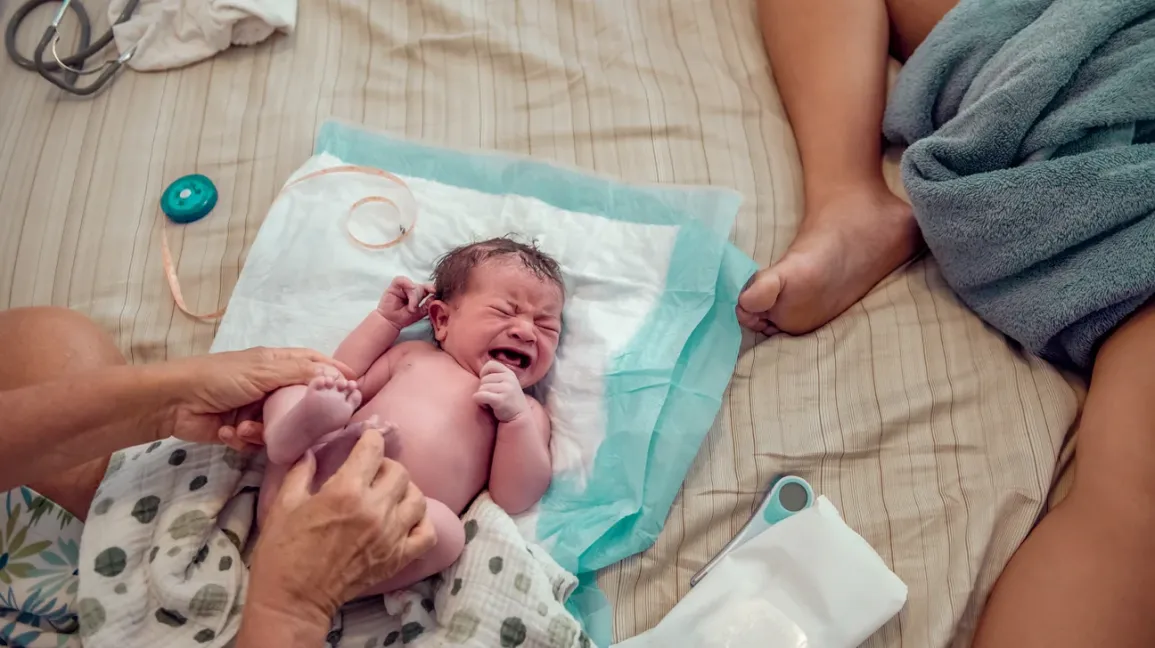
In addition to the effects on the mother, domestic violence also affects the infant. Maternal stress and lack of adequate prenatal care create stressful conditions for the fetus in utero that contribute to potential developmental delays, negative cognitive projections, and future psychosocial disturbance. This is especially important because the perinatal period represents a critical developmental time frame for future lifelong development. Therefore, this period may have intergenerational effects. Additionally, women who experience domestic violence and are unsupported by their partner or parent experience compromised infant bonding and impaired development of emotional intelligence, further exacerbating health inequities in vulnerable populations.
Though these relationships exist, the increased risk of perinatal problems from abuse is exacerbated by socio-structural inequalities such as limited health services, unstable legal recourse, and social pathways in Low and Middle-Income Countries (LMIC). That being said, it does mean that High-Income Countries are free from these issues; survivors are also concerned about their financial dependence on an abuser, possible removal of children, and lack of confidentiality when screening for IPV in the healthcare system. In fact, research supports routine IPV screening during prenatal visits using safe and effective referral systems to improve both maternal and child health outcomes.
The relationship between domestic violence as a perinatal health concern means that the health systems, policy systems, and community systems have to work together. Health care providers need to know how to provide trauma-informed care; survivors need strengthened legal protections; shelters and mental health services need to be available to increase shelter availability. The definition of domestic violence as a health determinant in perinatal health can take the burden of responsibility off the survivor and place it on the broken systems. If safe perinatal health is to be achieved, there is no doubt that assessing the survivor’s needs during a time of vulnerability is essential for the successful maternal and child population health.














Leave a Reply