


Some illnesses fly under the radar until the media shines a bright light on them. For Tourette Syndrome, the limelight has switched on and off throughout the years, accurately at times, and at times distorted.
Tourette’s Syndrome is a neurological condition that usually begins in childhood, causing tics, sudden, involuntary movements, or sounds. While sometimes mild and sometimes more extreme, Tourette’s is generally misunderstood by people who’ve seen it only in the media. On TV and in movies, people with Tourette’s are typically characterized by their most loud-mouthed or shocking symptoms, especially coprolalia (shouting obscene words). In reality, this symptom occurs in a very small minority of cases, but because it makes for “entertaining” drama, the stereotype holds fast.
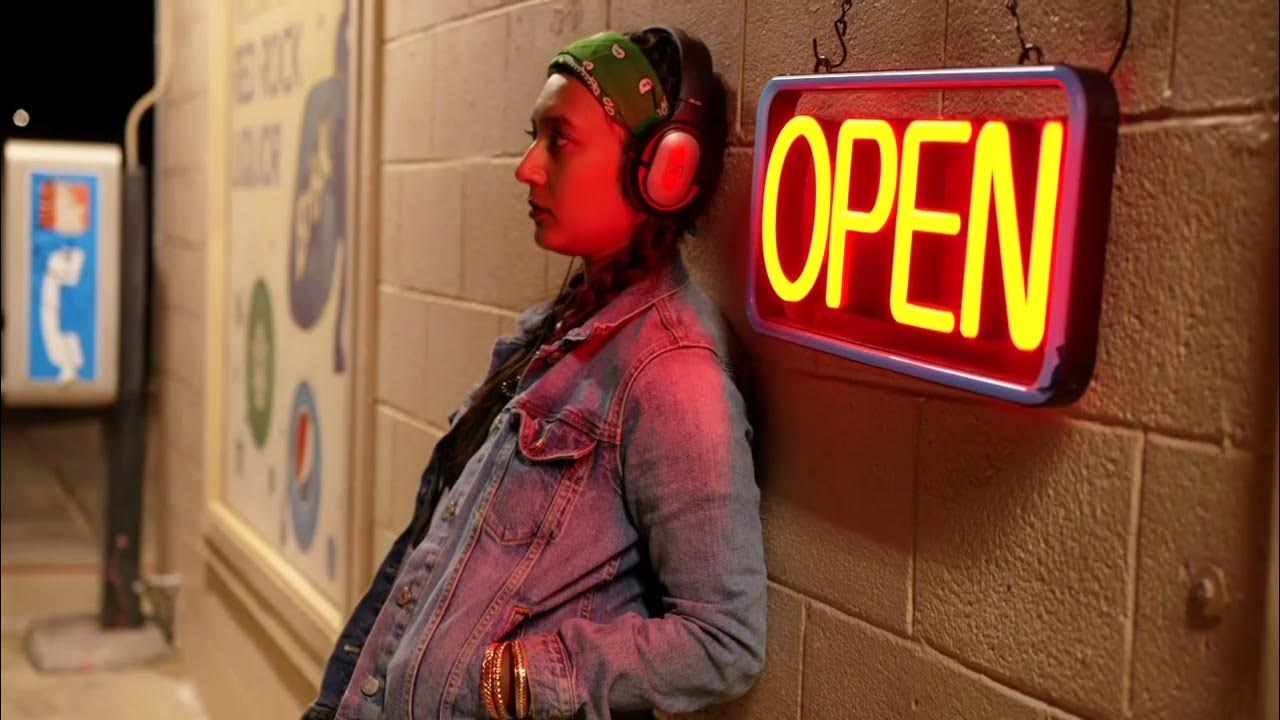
Thankfully, the perception is starting to change. Celebrities like Billie Eilish, who has publicly discussed her Tourette’s, have used their media presence to illustrate what it’s actually like to have the condition. She’s talked about how her tics can be subtle, even undetectable to fans, and that they don’t prevent her from achieving success in music. Similarly, Dan Aykroyd, the legendary Ghostbusters and Blues Brothers actor, has spoken about his own childhood with Tourette’s, bringing it further into the mainstream that kids with the condition can also be successful and go after their passions.
Social media has also helped to turn things around. On YouTube and TikTok, children and teens with Tourette’s record their daily lives, not just their tics, but their hobbies, their interests, and their friends. These authentic voices cut through old stereotypes, offering layers of truth: yes, Tourette’s can be frustrating, but it can also come with resilience, humor, and deep empathy. When kids see someone like them on a screen, whether that’s a global pop star or another teenager their age, it can be like catching sight of a shooting star. Brief, but powerful, it leaves behind a trail of recognition: “I’m not alone.”
As parents, educators, and health providers, it’s up to us to look deeper than these surface portrayals. Children with Tourette’s are not punchlines or spectacles. They are dreamers, artists, and students. Media can diminish, but media can also elevate, and when it does, it makes possible a future where every child can see themselves in all their complexity.











Leave a Reply