

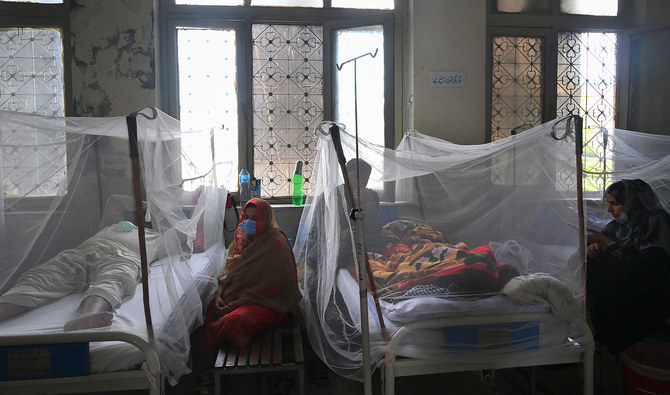
Dengue is a viral infection transmitted to humans through mosquito bites. Although many infections only cause mild illness, some can even lead to death. According to the WHO, currently about 50% of humans are at risk of dengue, and about 100-400 million people are infected each year. One of the main causes of these rising numbers is climate change.
Global warming has already led to an increased number of dengue cases in many countries. Those who live in areas with long warm seasons and/or large mosquito populations are especially affected. A recent study estimated that about 18% of the dengue cases found in the data of 21 countries in Asia and the Americas are due to the global warming that has already taken place.
Higher temperatures cause the life cycle of the mosquito to be shorter and the viral replication to be faster inside the mosquito. When the temperature gets to about 27 to 28 degrees Celsius, these factors can lead to the occurrence of disease. The rise of temperatures towards this range in new places leads to an increase in dengue cases. When these regions become hotter than this range, the spread of disease may slow slightly, but there will still be an overall increase in risk for the entire area studied. Depending on the trend of emission of greenhouse gases, by mid-century, the frequency of dengue in Asia and the Americas could increase by as much as 49 to 76 percent. These predictions indicate that temperature changes are responsible for lengthening periods of mosquito activity and thereby extending the transmission seasons of dengue.
The countries of Asia and the Americas are already experiencing heavy seasonal surges of dengue cases. Both Bangladesh and India are reporting longer dengue seasons, and cases are going up during months that were previously cooler. Brazil has been recording the highest levels of suspected cases in the past few years. The magnitude of cases puts not only the hospitals but also the public health systems under pressure.
Additionally, global warming reinforces favorable climatic conditions for the spread of dengue in mostly tropical and subtropical regions. If you live in these areas, it’s important to take preventive actions. These can include simple actions such as installing mosquito screens on windows, applying mosquito repellent, and covering your body with long-sleeved shirts and long pants if you go outside. Lastly, remember to stay informed about local trends to ensure that you are doing what’s necessary in your area to prevent the spread of dengue.














Leave a Reply