


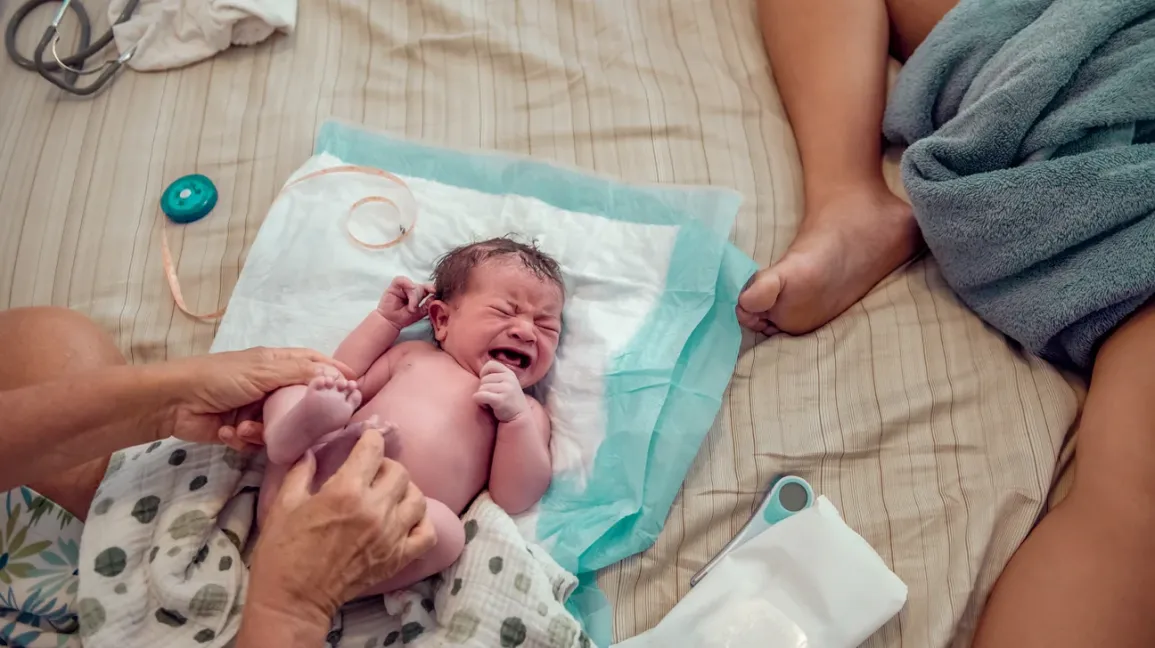
The most frequent problems reported by new parents globally involve unsettled infant behavior – excessive crying, difficult sleep, troublesome feeding, and continued irritation. Unsettled behaviors are often dismissed as typical development during early infancy, but they have critical implications for maternal mental health, breastfeeding continuation, and early developmental milestones. Yet unsettled infant behaviors are under-estimated in international health discussions, although they influence families across varied cultural and socioeconomic contexts.
In high-income countries, up to 30% of infants engage in prolonged crying or sleep disturbances that exceed typical developmental expectations. In low and middle-income countries, children may be even more likely to display these patterns, but the burden is difficult to assess due to limited research. Regardless, unsettled behaviors burden caregivers across the globe, creating maternal fatigue, anxiety, postpartum depression, and premature termination of breastfeeding – an infant who won’t stop crying becomes a source of guilt or feelings of inadequacy for many mothers, especially first-time mothers.
Feeding difficulties are even more prevalent. Babies might have trouble latching on, refusing to feed, or feeding for small increments of time and constantly. In resource-poor settings, unsettled behaviors encompass fears of not having enough breast milk to feed their babies or not having access to the appropriate healthcare professionals who can adjust latching. Globally, an absence of people who can assist in these endeavors, namely lactation consultants or midwives with breastfeeding education, means many mothers get no help, which could resolve such issues within days.
Compounding unsettled infant behaviors are cultural beliefs surrounding the response. In certain nations, excessive crying is due to a spiritual influence or “bad temper,” or maternal diet, instead of developmental opportunity. Such assumptions impact how families respond, sometimes giving formula too early, herbal remedies, or solids. In addition, the expense of formula, in addition to the risks of feeding babies water in countries with unsafe drinking water, renders this shift potentially detrimental to infant health.
Sleep challenges are similarly global. While safe sleep practices would imply swaddling to sleep on one’s back, co-sleeping is common, and fears of infants crying at night deter some caregivers. Lacking widespread information on sleep cues, overstimulation, and expected ranges of sleep infant patterns, caregivers may assume that prolonged waking means something is clinically wrong.
Unsettled infant behaviors require a public health intervention that involves caregiver teaching, respectful maternity care, and community engagement. A trained midwife or community health worker who can explain responsive feeding, what to expect during the daytime with regard to sleep, and any comforting measures to take would help reduce parent stress. Digital health resources – mobile applications and WhatsApp chats – are being utilized in low-tech areas as real-time reassurance for newer families.
Therefore, unsettled infant behaviors are not a developmental nuisance but instead determine familial emotional and physical health for thousands globally. If these findings are considered a public health concern, more caregivers can be helped, and development can occur elsewhere just as easily.















Leave a Reply