

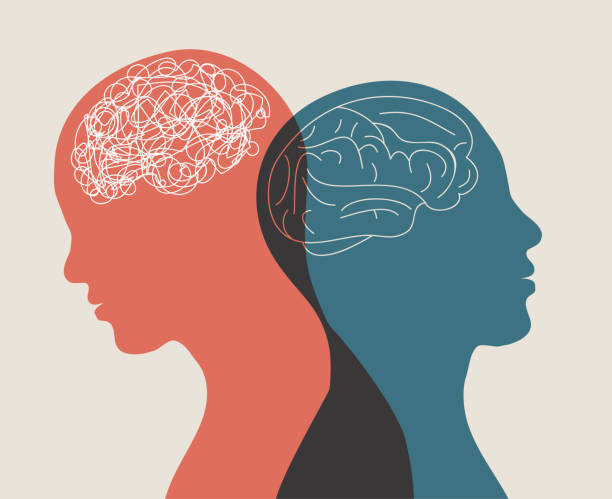
Poverty is more than just a lack of money: it may encompass unstable housing, under-resourced education, inaccessible healthcare, social exclusion, and more on its endless list of barriers to secure living, all of which make the cycle of poverty harder to escape and more difficult to survive in. Given all the material disadvantages, it’s easy to overlook the psychological effects of just getting by. However, mental health is not to be shunned; contrarily, it acts as a tone-setter, dictating the peace of mind and self-esteem that make pushing through socioeconomic obstacles more attainable. And constantly worrying over next month’s bills, finding three meals every day, or scrambling to buy presents for Christmas are all ways that hopelessness ensues and mental health suffers.
With stressors being a fact of life, mental well-being often falters in poverty. Research specifically shows that conditions associated with low income, such as unemployment and food insecurity, are predictors of anxiety, depression, and eating disorders. Also, the likelihood of adverse childhood experiences is higher in low-income upbringings. In the Urban Institute article Poverty’s Toll on Mental Health, author Reed Jordan argues that the relentless demands of low income leave poor people with less mental “bandwidth” to cope with their situation. This gives insight into the higher rate of mental health disorders among the impoverished.
Therapy is rightfully hailed as an effective response to mental health woes, and it’s been increasingly accepted from a social perspective. Despite its benefits, however, therapy is often unavailable to low-income Americans. Costs generally range from $100-$200 per session in most regions of the United States, which is a hard price to pay when bills, food, and other basic necessities must also be paid. Consider that many people below the poverty line are uninsured, making mental health care an even harder expense to accommodate. Even among the outliers of affordable mental health options, there are likely high demands, which means many cannot get treatment in a timely manner.
Approximately one in ten Americans lives below the poverty line, amounting to some 35 million+ lives. Of course, financial inequality is far from just an American problem. An estimated 700 million people are living on less than $2.15 per day in 2024, according to the World Bank Group, and roughly half the world lives on under $7. In trying to understand the various inequalities between the haves and have-nots, it’s important not to just focus only on monetary differences, but to explore this side of poverty–the quiet mental health epidemic.







Leave a Reply