


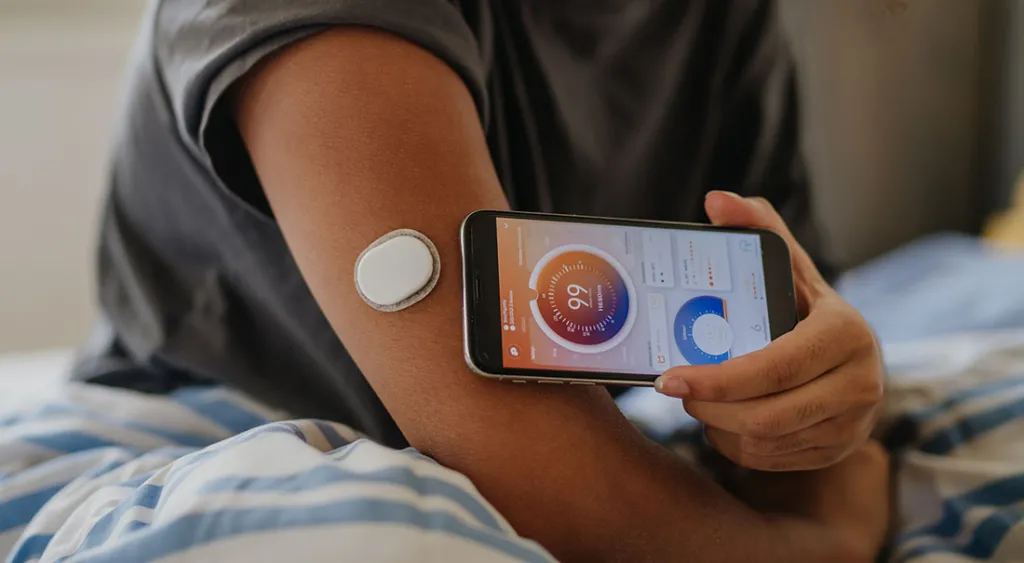
During a pandemic, information is equally important as a vaccine. For a long time, tracking the spread of disease was a very slow and only retrospective process that depended on confirmed diagnoses and death reports. However, the evolution of digital symptom tracking technology, which was further enhanced during the COVID-19 pandemic, has given public health officials a great new tool: a real-time digital pulse of the health of a population.
This technology employs a simple but still very powerful method. Through special apps and websites, people can, voluntarily and without revealing their identity, inform daily how they feel – ticking the boxes for symptoms like fever, cough, or fatigue. This decentralized system of millions of individual data points creates a huge aggregated real-time map of illness. Contrary to the traditional methods that wait for lab-confirmed tests and thus are delayed, this system is picking up on the very first signs of an outbreak.
The idea did not come along with the COVID-19 pandemic. The service Flu Near You had already proven the concept for seasonal influenza, thus allowing scientists to see the spread of the flu much quicker than the CDC could generate its official reports. This gave the possibility of early warnings for surges, thus providing time for hospitals to prepare for incoming patient loads.
When the COVID-19 pandemic hit, the changes and expansion of this technology followed with extraordinary speed and scale. One such endeavor is the Carnegie Mellon University and University of Maryland COVID-19 Symptom Survey, where data was directly sent to the CDC. This was very helpful in pinpointing new hotspots even days or weeks ahead of what testing could confirm. This was extremely useful during the initial period of time when tests were so scarce. Hence, if a particular area showed a sudden increase in people reporting loss of taste and smell, it was a sign of a possible COVID cluster, leading to a quick reaction in terms of resource allocation and targeted public health communication.
Its advantages are many and varied. For scientists, this enormous collection of data helps them understand the disease better, allows them to detect new and different symptoms, and monitor the success of the measures taken. For ordinary people, these instruments offer local risk assessments, thus giving them the opportunity to make sound decisions about their engagements. Policymakers, on the other hand, are able to have a clearer understanding, which assists them in making the tough decisions on matters such as shutting down, mask mandates, and reopening plans, thus allowing them to rely on data instead of mere guessing.
However, the technology has its imperfections. For instance, data correctness may be impacted by the participants, thus certain statistics about those who have less digital access may remain unrevealed. Besides, there always exist some privacy concern that calls for strong anonymization as well as clear and open data usage policies.
Still, the consequences are visible and quite powerful. The use of symptom tracking technology has been one of the main factors in the shift of the pandemic response approach from reactive to proactive. We now have a living and breathing chart of public health, which shows us the way of the pandemic, not after it has happened, but as it is unfolding. As this tech evolves further, it pledges to be the most valuable partner in our battle against infectious diseases, thus making sure we are not caught off guard to such a great extent ever again.









Leave a Reply