

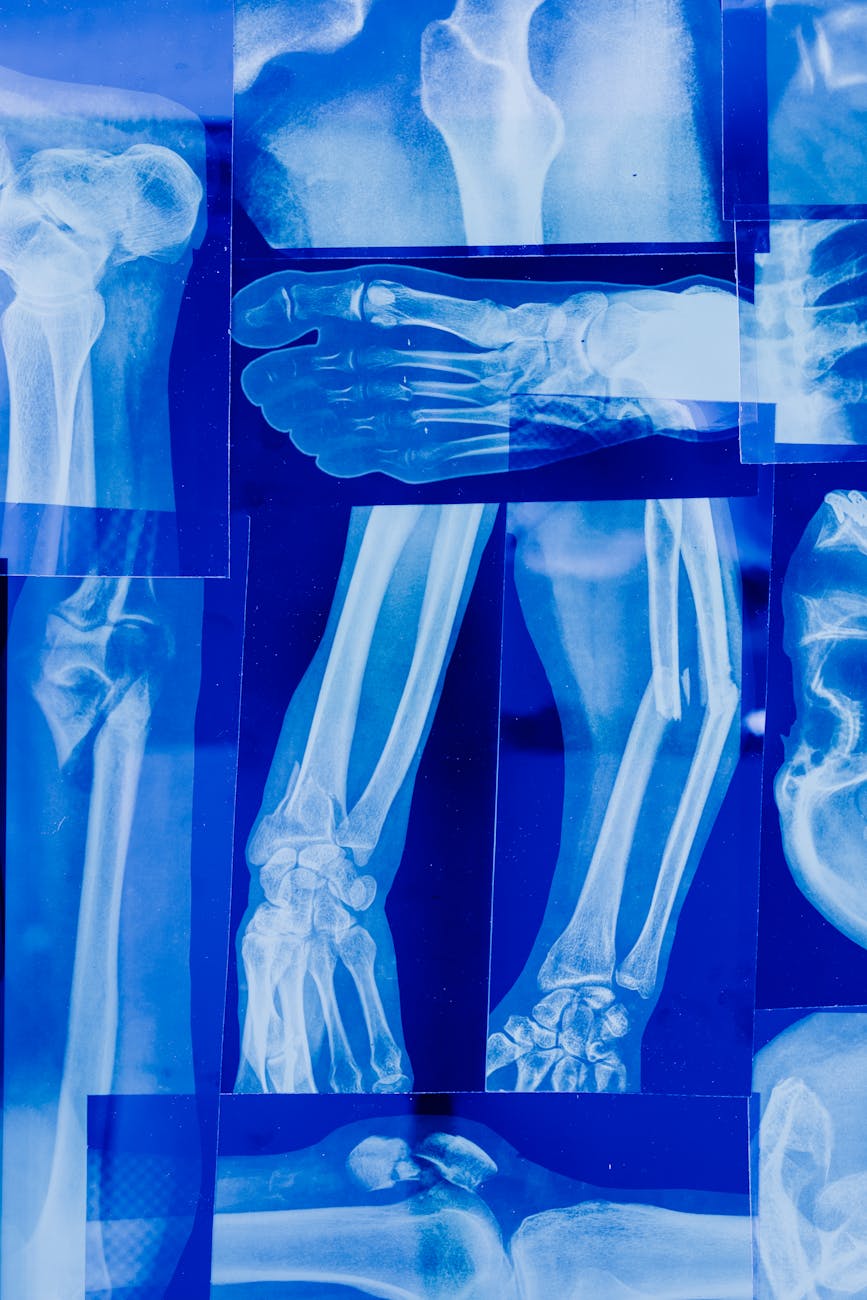
Many regions and nations today struggle to provide an essential part of medical care. Without this technology, viewing the inner processes of our bodies would be difficult, or near impossible. It plays a significant role in assisting to provide accurate diagnoses, however, many parts of the world, for one reason or another, struggle to provide these technologies as a normal part of medical care. There’s no question how much medical imaging matters as a part of medical care, and expanding medical imaging access will help increase healthcare access across the world to ultimately save lives. From maternal health to the progression of cancer, CT scans, MRIs, and other technologies must be viewed and promoted as the significant tools they are.
As with most things in health care, the major barrier to expanding medical imaging access is cost. These technologies are not cheap, as they consist of multiple essential, yet expensive, parts and components. However, the cost does not stop there. These technologies require extensive maintenance and constant electricity to keep them operating at the right level. Many clinics currently may struggle to even keep the lights and other appliances running, therefore, they may decide to direct their money elsewhere. Another significant barrier is those who operate these machines. There is significant training and knowledge needed to run them. Therefore, regions that may have the resources to get these technologies may still struggle to get people to keep them running. Unfortunately, both of these issues may be the case in multiple regions, such as remote villages in Africa and Asia.
So, what now? There must be a shift in focus to expand this technology in two different ways to break down the barriers blocking this progress. First, investing in cheaper, yet useful technologies would be the perfect step in the right direction. Portable X-ray machines that cost much less or are less energy-consuming would set the foundation for these clinics to provide better care, targeting patients who are most vulnerable. The next step should be training health care workers to run and handle these machines effectively by sending them to training abroad or supporting them at local institutions. This may seem like a small step, but training them will make a major difference in closing the healthcare access gap.
Real change can be made when stronger attention is directed to linking these technologies to regular checkups. Apart from the cost and possible staff shortages, there may still be other deeply rooted issues hindering care, yet fixing these two specific issues could mean much more equality and fairness in medicine across the world, with support in training and with tools.










Leave a Reply