


Disease outbreaks capture global attention, funding following shortly after. Governments mobilize emergency aid, international organizations raise funding and awareness, and headlines underscore the crisis in bold. Despite the immediate action to emergencies, however, the warning signs that precede them are often ignored: weak healthcare systems, poor sanitation and education, and underfunded surveillance networks to name a few. Rather than address these risks in order to prevent emergencies altogether, global health policy prioritizes response instead, leading to unnecessary, detrimental consequences from nations down to families.
This imbalance results from global health funding structure, and revolves around reputation and politics. Emergency responses are both visible and urgent, and as such, rapidly spreading outbreaks exert pressure onto governments to act decisively and immediately. Emergency aid can be announced quickly and show the world their action. Preventative investments, on the other hand, improve healthcare invisibly. Measures such as strengthening vaccination programs, improving cleanliness, and expanding surveillance and diagnosis, while overall creating a net positive effect through preventing outbreaks in the long run, often don’t meet the news in the same way as emergency intervention.
Consequently, prevention efforts are often overshadowed in regards to attention and funding. And thus, public health systems in many low and middle income countries operate with limited resources, vulnerable to crises when they emerge. Hospitals become fragile, lacking adequate equipment, robust disease monitoring, and sufficient healthcare workers, leading to outbreaks margins more costly and difficult than if they had occurred in a stronger, preventative environment.
A revealing case study can be found through the COVID-19 pandemic, which demonstrated in vivid detail the ramifications of this approach. In many countries around the globe, investments in vital public health infrastructure such as testing capacity, disease surveillance, and coordinated planning, were insufficient. And thus, when the virus spread globally, governments were forced to invest massive resources in emergency responses. If health systems were stronger, cost and consequences for the people would have been greatly lowered.
In addition to previously stated structures contributing to this funding in healthcare imbalance, international patterns further reinforce the cycle. Many global health programs often rely on short term grants rather than long-term investment, which makes it difficult for sustained progress in creating durable public health systems. With the possibility of donor priorities shifting and funding cycles ending often looming overhead, programs frequently lose support without ever fully addressing underlying health risks.
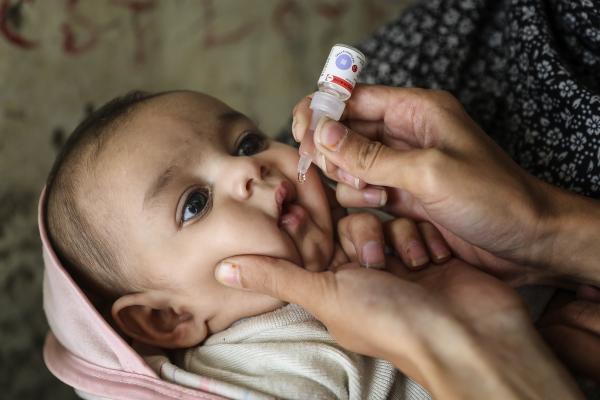
While a stronger focus on prevention wouldn’t eliminate all health emergencies, it would greatly reduce frequency and severity of them. Measures such investments into public health infrastructure, implementing routine immunization programs, spreading vocational training, and reinforcing sanitary education and systems would greatly aid in preventing outbreaks before their beginnings. In addition to preventing outbreaks themselves, healthcare systems become stronger as a whole and thus more resilient, whether during non-emergencies or crises.
In sum, while prevention may not generate dramatic headlines in the same way as emergency responses, its impacts can be far superior. With its potential to prevent outbreaks, increase communities’ and nations’ resilience, and protect millions of lives before they’re at risk, appropriate investments into public healthcare are prudent.












Leave a Reply