

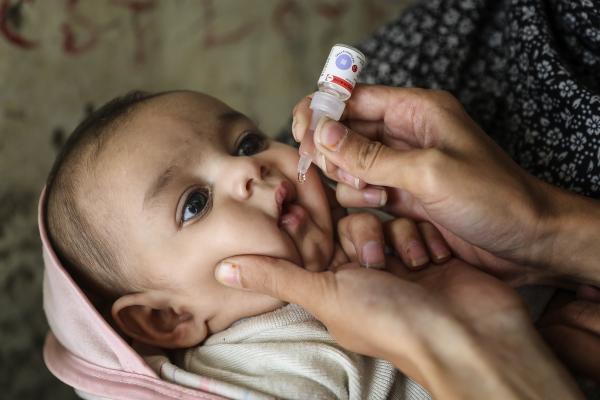
During March to April of 2026, Keir Starmer and the British government announced that they had decided to end their significant contributions to the GPEI (Global Polio Eradication Initiative), one of the most profound institutions for dealing with polio. Specifically, it was around $67 million to $134 million in funding to an organization run by the biggest world health institutions, like the WHO, CDC, UNICEF, the Gates Foundation, etc. The Prime Minister Starmer announced this was part of a 40 percent reduction in general UK aid, and the cuts have been so severe that it has become the “largest percentage cut to development assistance by any government, surpassing even recent U.S. reductions,” in the words of Global Health NOW.
Britain pulling this aid is extremely important because a lot of health experts have said this might be the worst time for them to pull out of aid, as their goal was to eliminate polio entirely by 2029. They are close to reaching that goal, as only Afghanistan and Pakistan have currently existing but rare polio cases. If there’s no more aid, it could mean that 200,000 children could be paralyzed because of polio each year “within a decade,” according to the WHO. It’s important to note, as the article states, the medical effects of polio itself aren’t too bad and are manageable; the economic effects are certainly worse. If polio still exists in the next twenty years, the reparations and stakes may go over $35 billion. It also means the critical systems in Africa and Afghanistan/Pakistan are at risk, so the efforts on the ground for traveling workers may no longer be realized.
While the negative effects of this decision are clear, the British government claimed it will still make leaps to prevent polio through separate funding to the WHO and by focusing on domestic wastewater. Polio detected in British wastewater has increased, which may be a reason why the country is changing its focus from international to domestic. Obviously, domestic efforts are a positive step, but the withdrawal from the GPEI means that Britain can’t truly benefit from the strides made by other countries in the alliance. Gavi, the Vaccine Alliance, and the WHO are different from the GPEI in what they do specifically, so their efforts are less specialized. And this is not just about the short term effects of the aid cuts, because many believe that with British aid cuts following the American aid cuts, it may result in an “avalanche” of cuts toward the polio elimination effort, especially after GPEI funding was already cut by the US and Germany. And while the negative effects pile up and advocates say that the cuts may not even be legal, the GPEI is being forced to work with what they have to achieve a crucial goal, hoping for the support of other countries.







Leave a Reply