

“The science of today is the technology of tomorrow” – Edward Teller
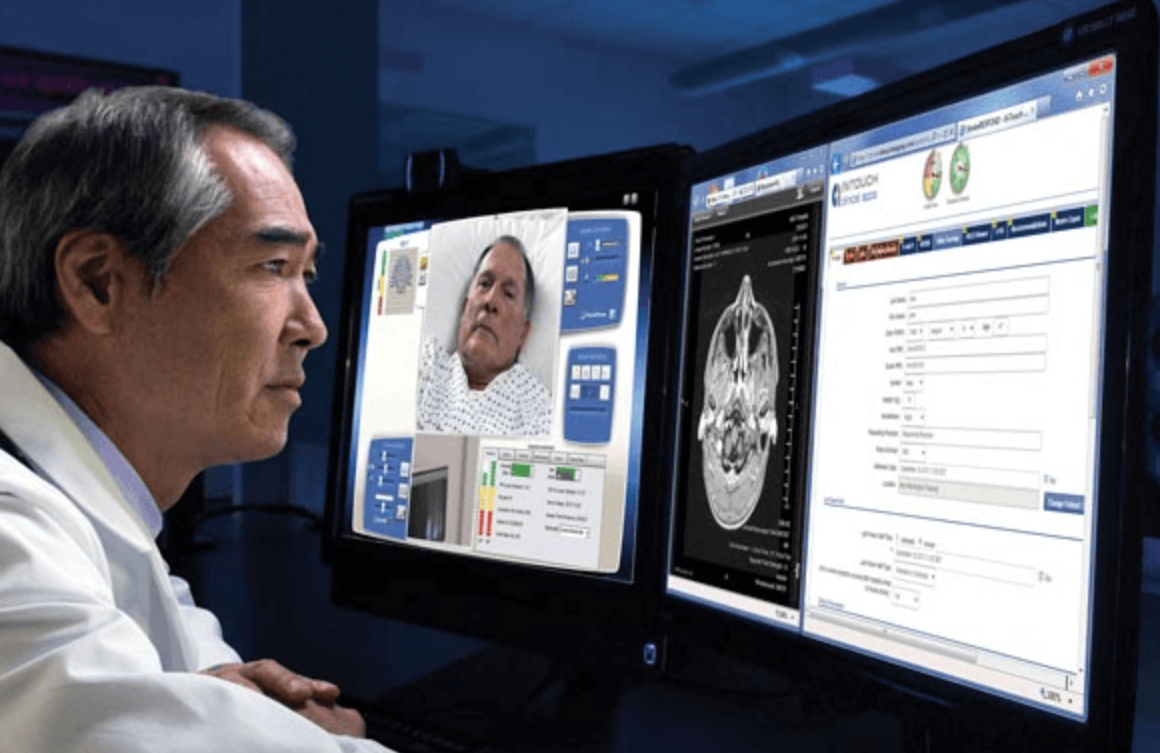
Over the years, people have become accustomed to going to the traditional doctor’s offices and waiting for the doctor. Having to work with the schedules of the doctors instead of their own and having to miss work or daily tasks just to get a simple checkup. While many people to this day prefer the traditional ways of waiting and being able to interact with the doctor in person, in the current day and age it’s clear that people can do the same from the comfort of their home. With the innovation of telemedicine, people can work on their own accord and be able to streamline simple appointments at their own comfort instead of the other alternatives. This article will go into the specifics of how telemedicine has shown to be a groundbreaking innovation in the medical field as a whole.
So before the specifics on how telemedicine benefits society with its innovation, it is important that the definition is understood. Telemedicine is defined by the National Library of Medicine as, “the use of electronic information and communications technologies to provide and support health care when distance separates the participants.” Understanding this helps the possible future users to know that telemedicine is not an act of replacing healthcare workers, but instead further streamlining processes as the available technology we have continues to progress. Allowing people with impoverished access to healthcare due to the distance or lack of nearby hospitals to receive real-time healthcare consultations and therapeutics. This provides for an overall beneficial change for society as a whole with proper utilization of these advancements.
Now for its use cases in the real world, we can look at the various opportunities it provides. The usage increased around the time of COVID-19 in 2020 when the pandemic restricted in-person appointments. Statistically, over 37% of adults of that time started using telemedicine to get access to healthcare in the comfort and safety of their homes. It’s not just during pandemics that telemedicine proves to be a useful tool, it’s used by the older demographic of patients where regular appointments become a hassle and a struggle as their energy and stamina degrades. While use cases do vary based on ethnic background and gender, female and older patients are the higher users of telemedicine. Even though telemedicine is already being used so much, the research and different use cases are still being studied.
While telemedicine proves to be a great outcome for the future, it’s still faced with various setbacks. Telemedicine can prove to give great access to patients who don’t have access to healthcare in remote areas but still show issues like connectivity issues. While having access, a poor internet connection degrades doctor-to-patient interaction. Additionally, there are regulatory problems that may arise with the use of telemedicine. The privacy and security of patients not being 100% guaranteed since it’s remote raising a data privacy concern. And going back to the use cases in remote areas, some of these people might not be as technologically literate. This brings up the issue where people have access to technology or innovation but don’t have the knowledge or previous experience of using such technologies. All these concerns together do give a counter to telemedicine and show the multifaceted views on the innovation of telemedicine.
In conclusion, telemedicine is a breakthrough when it comes to healthcare and science as a whole. Bringing together technology and the doctor-patient interactions to better the experiences of having access to healthcare. Not only does this prove to be a useful innovation for one group of people, but it is an innovation that could revolutionize the way we access healthcare as well. Being able to access healthcare from our fingertips can not only be a dystopian dream, but a true reality as technology advances and prospers for the future to come.








Leave a Reply