

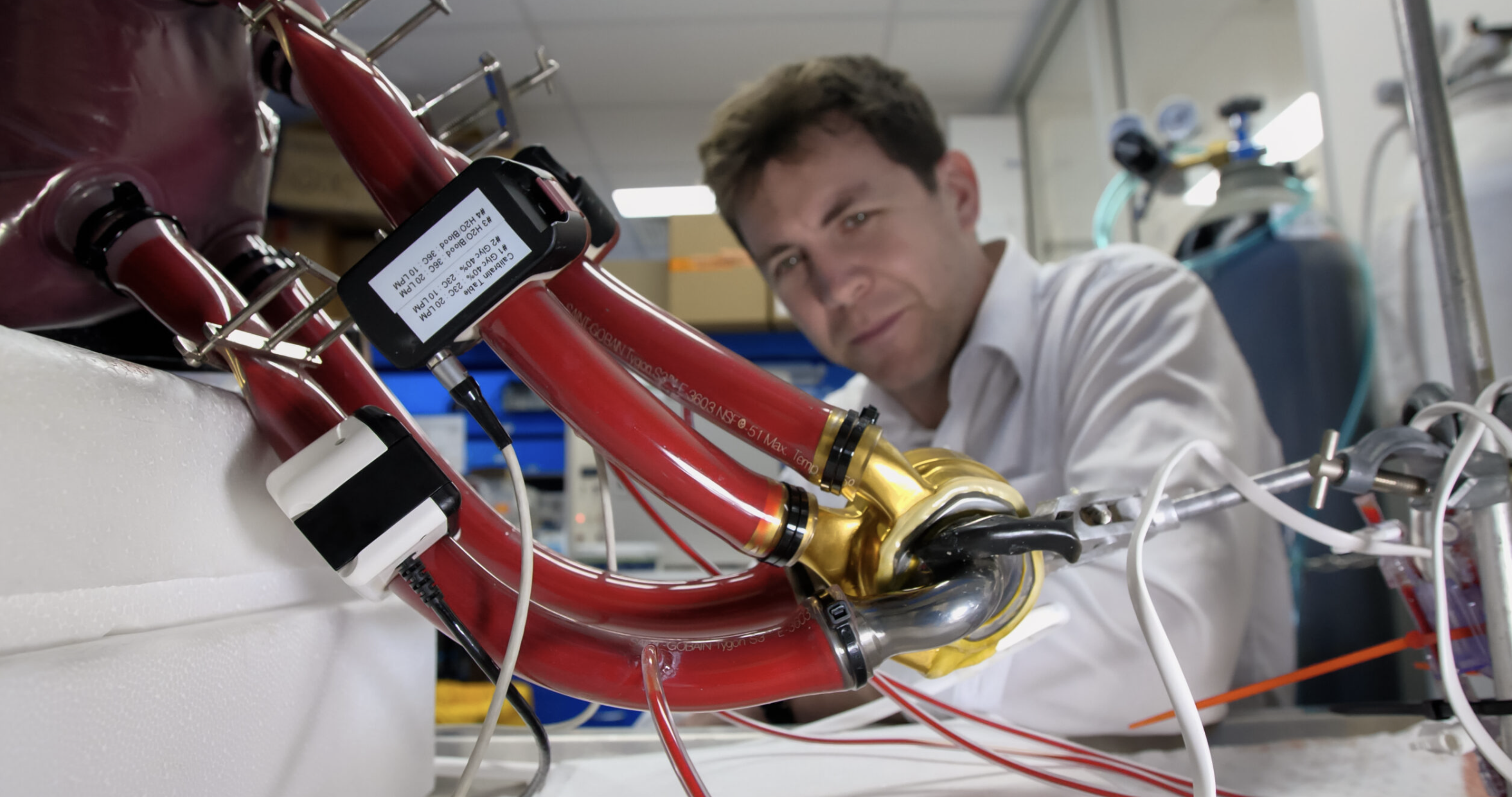
Revolutions in health technologies are saving human lives and promising new hope for patients. One of the most remarkable areas of these innovations is undoubtedly artificial organs. Developed by combining advanced engineering and medicine, these technologies offer hope to millions of people waiting for organ transplants. In this article, we will focus on artificial heart technology, which has recently made significant progress.
The heart, one of the most vital organs in the human body, continuously circulates an average of 5 liters of blood, providing nourishment to cells, tissues, and organs. The heart contracts approximately 100,000 times a day, sending oxygen-rich blood to all tissues. Cardiovascular diseases are the leading cause of hospitalization worldwide. Due to advanced heart disease, the heart may not be able to perform its normal functions. Unlike other organ transplants, it is not possible to receive a heart from a living person, so heart transplant operations can only be performed with the heart of a brain-dead person. Heart transplants are currently only performed in 10% to 15% of patients. This leads to a high number of people waiting for a heart transplant. This is where developing artificial heart technology is of great importance.
I would like to mention a name who has carried out important work in this field. Dr. Gürsoy, a German surgeon of Turkish origin, is known as the female surgeon who performed the first artificial heart transplant in Europe. Thanks to her expertise in cardiovascular surgery, she makes significant contributions to the field of artificial heart technology. Dr. Gürsoy is working on projects to eliminate the risk of infection caused by power cables in artificial hearts.
Artificial heart technology is advancing rapidly and providing safe health solutions for patients. We are sure to hear about many more important developments in this field in the future. Not only artificial heart technologies but also artificial organ production are revolutionizing the field of medicine. Advances in this field continue to give hope to many people.









Selim Yenen
The idea of developing hearts and other artificial organs can really bring hope to many patients in the future. It is obvious that this article should provide ideas and be a target for scientists working in the relevant field.