

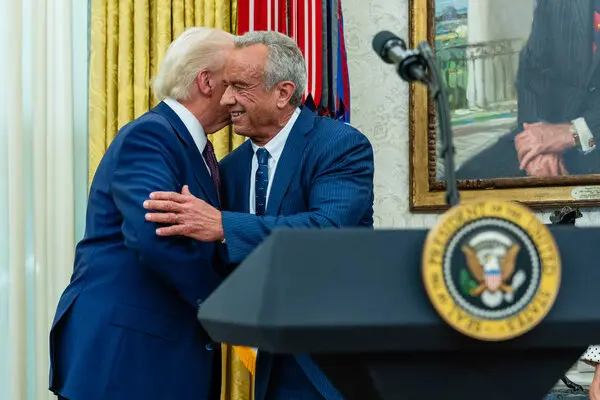
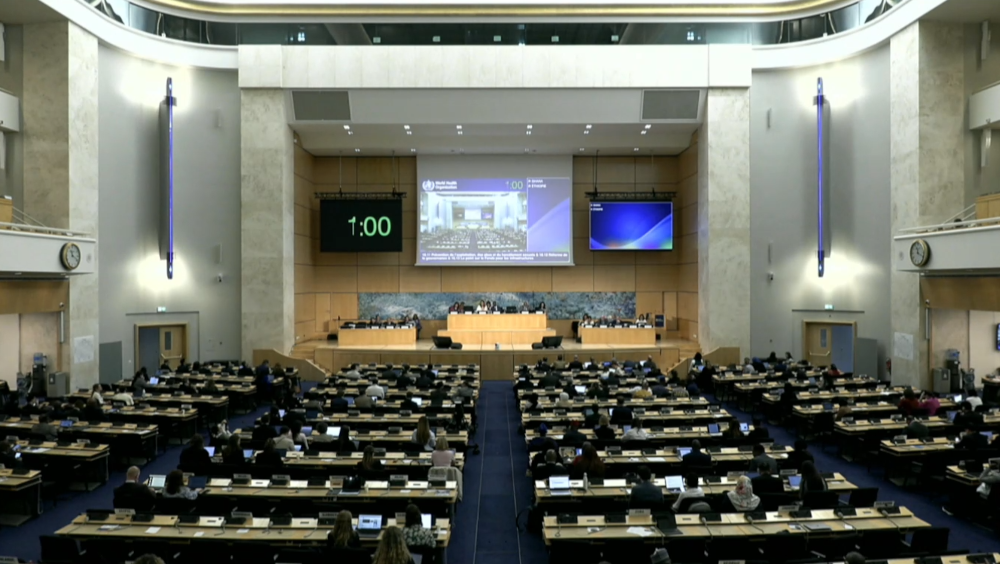
In recent weeks, the Trump administration has instituted sweeping changes politically in a number of sectors with a vast number of executive orders. On just the first day, President Trump directed the United States to withdraw from the World Health Organization (WHO), a specialized agency of the United Nations responsible for global public health. Founded in 1948, the WHO has led global initiatives to expand universal health coverage and coordinate responses to health emergencies. While the US has historically been a major contributor to the WHO, recent events have caused the US to depart from this organization.
The exit from the WHO wasn’t without cause. The Trump administration claims that the WHO’s lack of clarity and subsequent action in the midst of COVID-19 was a significant reason for the US’s withdrawal. While there was some agreement on how to handle the pandemic globally, at face value, the general response was a fiasco. While these political failures were not solely the WHO’s fault, concerns about the WHO’s role in large-scale global health issues were raised. These concerns led the Trump administration to believe that the funding contributed to the WHO is unnecessary, therefore leading to the ensuing executive order.
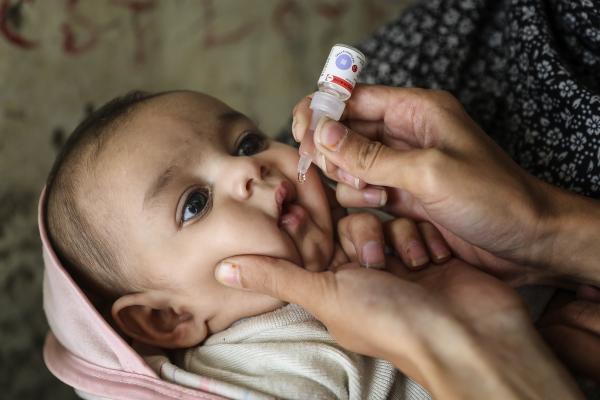
The US’s abrupt exit from the WHO spells disaster for the organization funding-wise. From the years 2022-2023, the WHO’s total approved budget amounted to approximately $10.4 billion. In the same year, the US contributed $1.284 billion, meaning the US accounted for roughly 12% of the organization’s annual budget. However, this does not account for the WHO’s $2 billion shortfall in funds, meaning the US’s share of funding was closer to 15%. This could potentially lead to unprecedented complications for the organization, such as affecting global health programs, including those for disease prevention, vaccination, and emergency response.
Due to this significant change, the WHO and the global health scene at large could take a drastic toll. Firstly, global health coordination in times of emergency, such as in the case of future pandemics, will be affected without US involvement. Secondly, the US would lose its voice in shaping international health guidelines and policy, potentially impacting decisions on issues like disease control, nutrient standards, and pharmaceutical regulations dramatically. Finally, research and development on diseases, future vaccines, public health data, and more could slow down global progress in health innovation.
While the full extent of these ramifications is still unclear, hope is still secure with the fact that the WHO in and of itself is simply a governing and coordinating mechanism. While it is true notable issues may arise due to this new policy in place, the US can still work autonomously with other countries when global health affairs require urgent action. While the US’s exit from the WHO could be detrimental to global health sustainability, the future is not quite set in place, and a brighter future could still be lying ahead.











Leave a Reply