

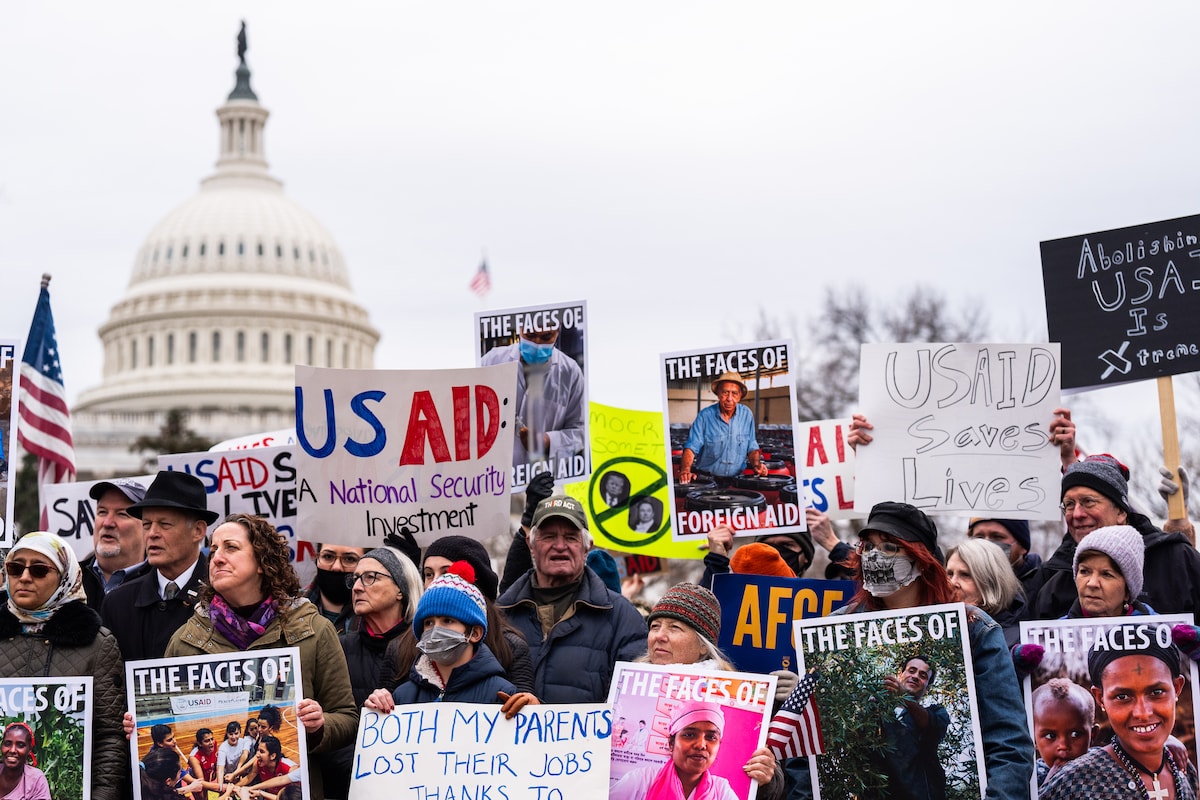
Recently, the reduction of U.S. foreign assistance has greatly affected global health programs focusing on HIV and malaria treatment, as well as maternal health improvement. Many developing countries worldwide rely on these resources to fund their healthcare delivery systems that save lives. Cuts in such funding leave millions with diminished access to services and thus slow down or reverse progress made in public health. These cuts have created new and major challenges for already stressed, non-functioning systems that should provide care.
The most obvious consequence of such budget cuts is shown through HIV treatment and prevention programs. The U.S. has historically played and still plays a crucial role in funding access to life-saving medications for individuals living with HIV. Most organizations that have initially distributed antiretroviral drugs have received budget cuts in their resources, meaning some patients may run out of access to treatment. Without the proper medication, HIV can ultimately progress to AIDS, causing many more deaths and possibly increasing human-to-human transmission. Additionally, education and prevention programs that were critical in denying new infections access have suffered from the budget cut, putting many more individuals at risk.
Another aspect is the effect on malaria management. Foreign assistance from the U.S. has supported the distribution of insecticide-treated nets (ITNs) and medicine provisions to help decrease the number of nations still suffering from high levels of malaria-related morbidity and mortality. With the funding cuts, many families will be left unable to access protective nets and will leave communities across the world unable to access lifesaving treatment. As always, malaria is extremely dangerous for young children, and these aid reductions could lead to more severe outbreaks, with higher child mortality rates. Years of progress made toward reducing cases of malaria could be undone leaving millions at risk.
Maternal care has also suffered due to cuts in foreign aid. Foreign-funded health care programs are the most common means by which expectant mothers in developing countries usually get prenatal care, nutrition, and delivery support. As a result of the cut in foreign aid, many women will be left to give birth in highly unsafe situations without trained professionals. There are much higher chances of complications, infections, and death for the mother as well as the newborns. Poor access to prenatal and postnatal care also causes long-term problems for the child and the respective communities.
These cuts in foreign aid from the U.S. to global health programs have given a stab to many programs dealing with HIV, malaria, and maternal care in developing countries. Although there are many arguments suggesting that these cuts may be a good thing for the U.S. (as they’ll save the U.S. millions and possibly even billions of dollars), they have a considerable impact on the global health scene.








Leave a Reply