


The European Union’s green climate policy, the European Green Deal, is not solely focused on low carbon emissions and renewable energy on the continent only; it is acknowledging that global health is planetary health. As the world struggles with growing effects of global warming, Europe is at the forefront of keeping the health effects of the warming world under control.
Climate change has already impacted the European population in many ways such as the increase in temperature and the increase in natural disasters. Heatwaves, which were previously uncommon events, have been increasing and are now the norm, particularly in the west and the south. Heat waves have not only impacted the population as a whole but also disproportionately killed at-risk groups such as the elderly and those suffering from chronic illness.
In addition to heat, climate change also intensifies the disease transmission pattern. Diseases such as Lyme disease and West Nile virus are spreading into new areas as heightened warmth offers more conducive conditions for disease vectors to propagate. Alteration of precipitation also contributes to water shortages and food and nutritional status and waterborne disease exposure.
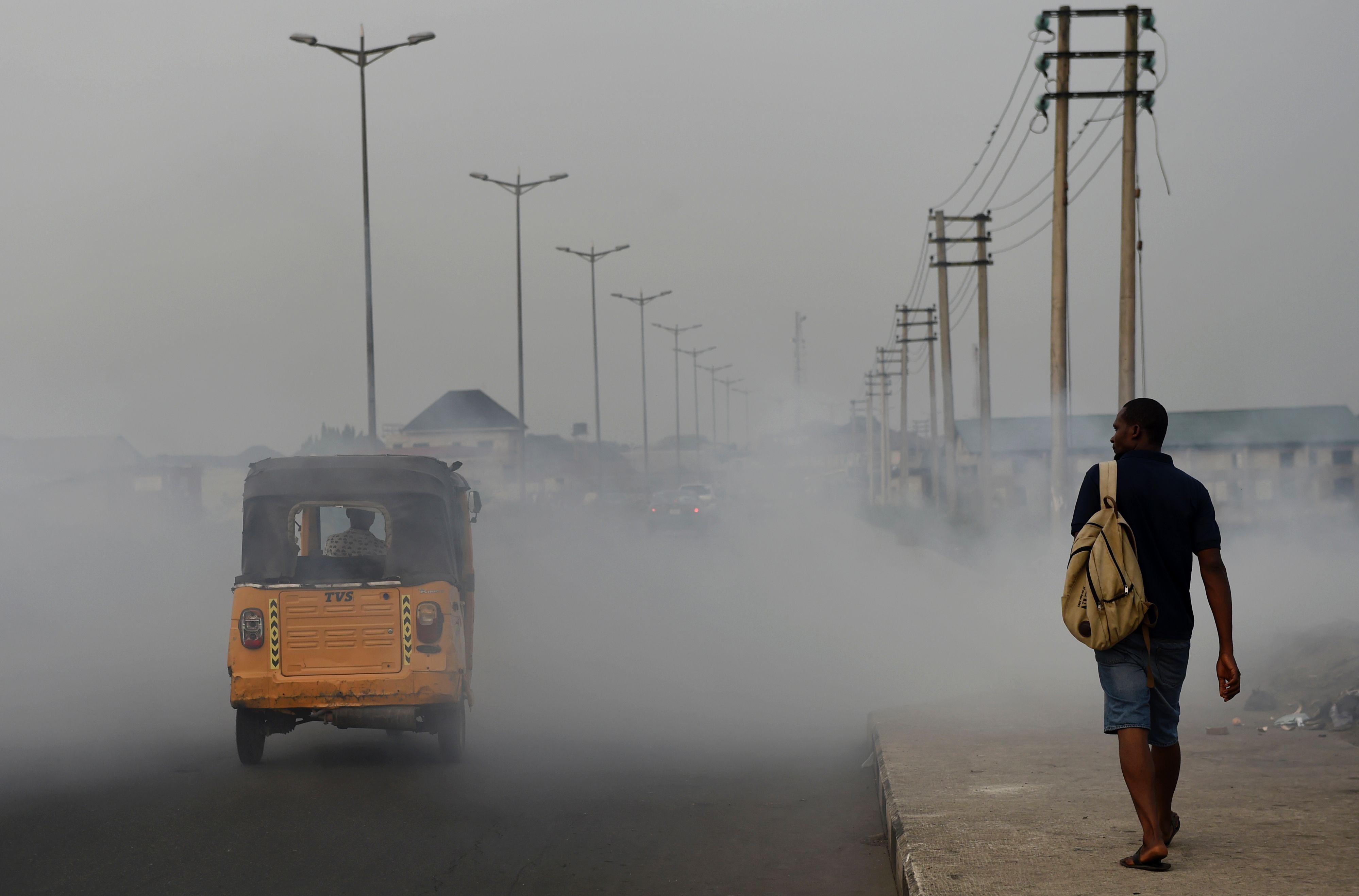
The Green Deal tackles these on a multifaceted level. The Green Deal seeks to avoid the emission of greenhouse gases by investing in renewable energy, clean transport, and energy efficiency. Not only will it avoid global warming but also purify the air, hence avoiding such scenarios as respiratory disease as well as cardiovascular diseases.
Apart from this, the EU has also made investments in climate adaptation technology and methods because some of the impacts of climate change cannot be avoided anymore. Some of these include the improvement of public health infrastructure to include heatwaves, improvement of water management in a way that there is clean water, and improvement of sustainable agriculture for better food security.
Emphasizing the circular economy of the Green Deal has also beneficial effects. In reducing waste and promoting sustainable consumption habits, the EU will also target preventing pollution and exposure to harmful chemicals. The “farm to fork” strategy will also target promoting healthy and sustainable food systems.
The EU climate policy is not domestic policy. It is a gauge of the global scope and its detrimental impact on the health of the climate. In guiding this battle against climate change, the EU could have the potential to motivate other nations to emulate its ambition through climate policies and join together for protection of everybody’s health.
As difficult as it will be, the new EU climate and health strategy is promising for a more sustainable and better future. Its creation will demand not only policy response and technological change but also social change towards lifestyle sustainability.










Leave a Reply