


When thinking about Perinatal Health, we often associate proper care with nutrition, self-care, and access to medical resources. However, an often overlooked sector of perinatal health is the environmental influence. Under poisoned air, contaminated water, and other chemical toxins, intrauterine exposure of pregnant women and babies is casting serious threats to their lives and well-being. This emerging phenomenon is significantly impacting under-represented and low-income communities causing mass alarm in the perinatal health community.
The Silent Threat: Pollution and Pregnancy
Toxins in the environment—pesticides, chemicals, air pollution, and heavy metals—are devastating fetal development. Exposure to air pollution (such as fine particulate matter, or PM2.5) has been linked to preterm birth, low birth weight, and stillbirth. Pregnant women who have a high degree of exposure to air pollution will give birth prematurely, with related health issues for their children, a new study published in The Lancet in 2023 discovered.
Furthermore, lead poisoning such as the Flint, Michigan disaster, has shown linkage to early neurological damage in infants along with mental illnesses. In underdeveloped countries, they pose heavier risks to pregnant women as contaminated water leads to diseases causing pathogens, and heavy metals lead to an increase in infant deaths and potential disorders and defects when the infant is born.
Global Disparities In Exposure
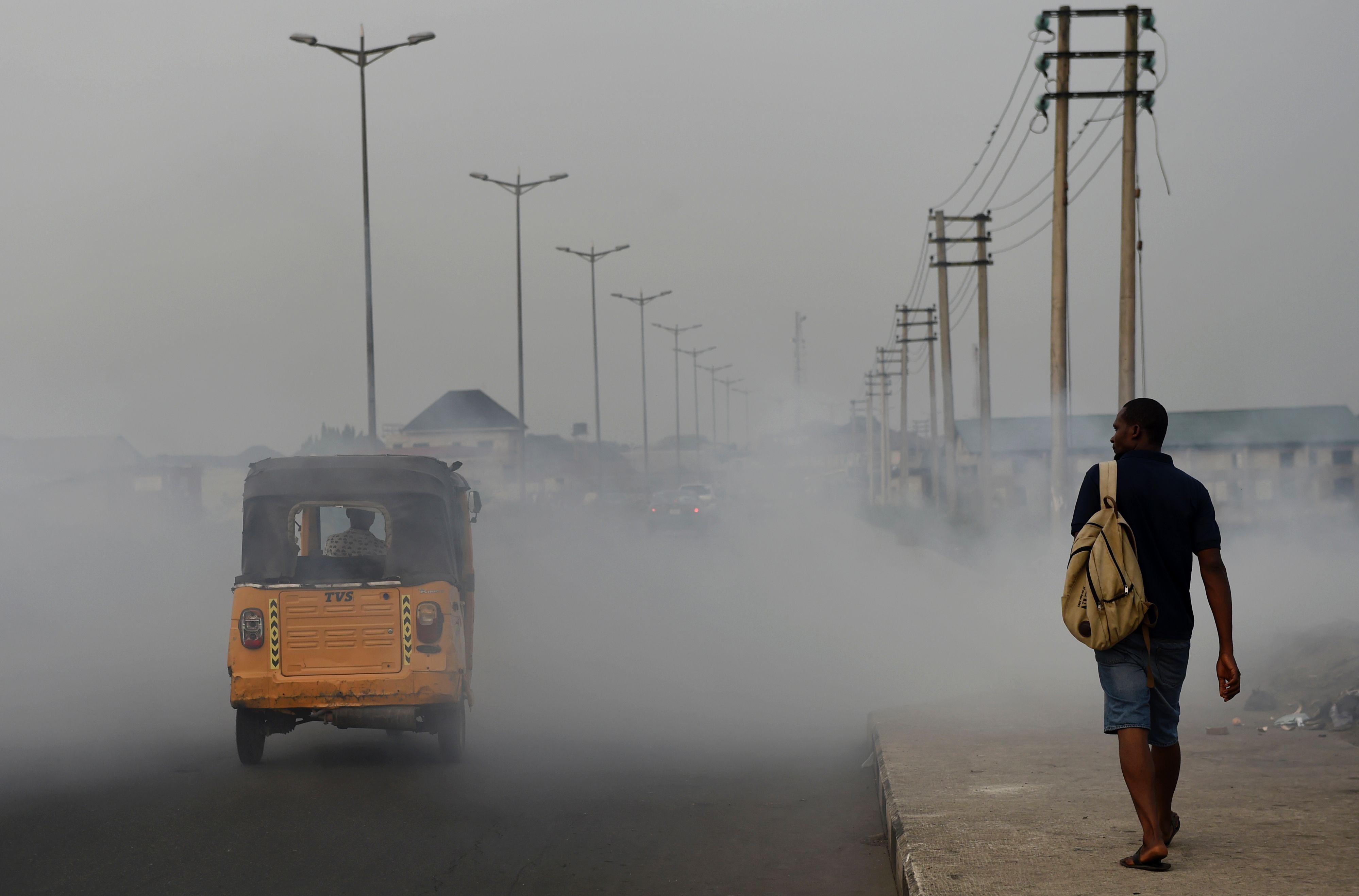
While pollution is a global problem, not all communities are impacted in the same way. Developing countries with rapid industrialization, lax environmental regulation, and less health care infrastructure are most impacted. New Delhi, Beijing, and Lagos consistently have worse air pollution than World Health Organization (WHO) standards and put millions of pregnant women and children at risk. However, this risk is not just in underdeveloped nations but in affluent ones as well. Researchers have discovered that in the United States, Black and Hispanic communities are more likely to live near factories, highways, and garbage yards which exposes residents to higher levels of toxins. These environmental injustices pose a serious health risk for pregnant women of color and further complications. It also increases the risk for infant mortality in these populations.
What can be Done?
Numerous solutions can be implemented to improve perinatal health regarding environmental concerns.
Environmental Policies: Improved environmental policies and strengthened government initiatives must be enacted to reinforce safety for pregnant women. Policies regarding industrial toxic waste, pesticide policies, and air pollution need to be tightened to ensure safety.
Clean Water and Sanitation: With an increase in clean water regulations, there will be a decrease in contaminated water usage, helping pregnant women in the long term. Furthermore, by providing waste treatment plans, toxic waste disposal can be reduced significantly.
Public Education: Another solution to improving perinatal health is educating the public. Pregnant women and healthcare providers must be more educated regarding methods to reduce risk regarding environmental concerns to plan for a smart, safe, and efficient pregnancy.
Investment in Green Infrastructure: Establishing low-emission zones, urban green spaces, and lower use of fossil fuels can minimize the amount of pollution in most target areas.
The health of future generations relies on the safety of the mother. To ensure a safe pregnancy, it is necessary to acknowledge the environmental concerns during pregnancy to plan for protection against them. If not acted upon swiftly, pollution will continue to influence birth outcomes in unequal and unfair ways, causing most harm to those least capable of paying for it. It is necessary for governmental institutions, healthcare providers, and the public to realize the detrimental consequences of toxic exposure and to act rapidly to ensure clean water, clean air, and a safe fresh start for the new generation.














Leave a Reply