


The distribution of vaccines across the world is a very difficult balance between equity and efficiency. The gap between nations with resources and large amounts of funds and developing nations is continuing to widen. Achieving equity and efficiency requires taking many factors into consideration.
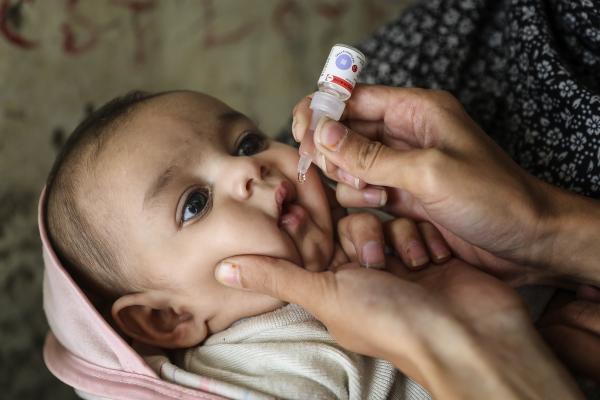
Equity in vaccine distribution means that every nation should have access to vaccines: a product that can prevent diseases or even save a life. This goal, however, has been proven to be very difficult to achieve. During the COVID-19 pandemic, advances in acquiring these vaccines were quickly drawn by developed nations before developing nations were able to catch up. This left many nations scrambling for these important products and increased the risk of outbreaks in vulnerable areas. International programs like COVAX were created to assist in achieving equal access to vaccines. Unfortunately, COVAX faced many challenges. A lack of funds, a limited supply chain, and foreign affairs were all hurdles that disrupted this program. As a result, some developing countries had to wait months or years compared to developed countries to receive these vaccines.
On top of this, equal vaccine distribution also involves heavy investment in equipment and people needed for distribution: cold storage, secure transportation routes, and trained health workers. These resources are already available in many developed nations with established healthcare systems, but developing regions are faced with a lack of resources and poor infrastructure. Without these tools, even when vaccines are available, they may be caught in delays or become wasted doses since they weren’t administered in a timely manner. For example, mRNA vaccines like Pfizer and Moderna that need ultra-low temperatures to be stored are really problematic for places that have unreliable electricity and refrigeration. The absence of such systems will mean that the vaccines are not available for use, leading to the expiration of the vaccines, thereby increasing the health gap.
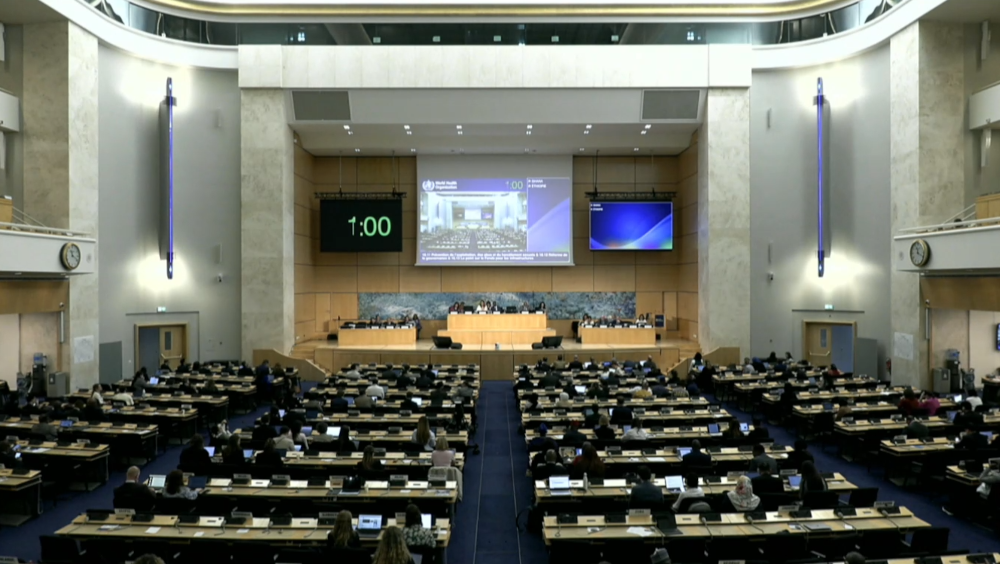
Equity and efficiency can be attained only through international cooperation. A helping hand from developed countries in infrastructure, storage, or funds can help the world achieve the target of equal and efficient vaccine distribution among all nations. It’s possible that even the donation of excess vaccines, or training health workers in these regions can reduce dependence on foreign supply chains and create a more stable situation in the long run. By enhancing infrastructure, sharing assets, and backing international initiatives, we can all move towards a world where not only one group, but all will have access to life-saving vaccines.
Image Credit: CEPI









Leave a Reply