


For the first time in modern memory, about 1.3 million cases of cholera were recorded worldwide in 2024, with many thousands of deaths filed. Areas such as Africa, the Middle East, and parts of Asia have experienced substantial cholera cases and are displaying serious implications on countries that are already overwhelmed by their health systems and limited vaccines for the population. While appeals from the World Health Organization (WHO) and others have echoed for assistance, a lack of sanitation, limited clean drinking water, and involuntary displacement from conflict or war have amplified the crisis.
Reasons for the Surge
Some of the principal reasons giving rise to this cholera outbreak include:
- Conflict and Displacement: People in overcrowded camps have poor sanitation, so cholera spreads like wildfire because an estimated number of millions have been forced into camps in regions such as Sudan, Yemen, the Democratic Republic of the Congo.
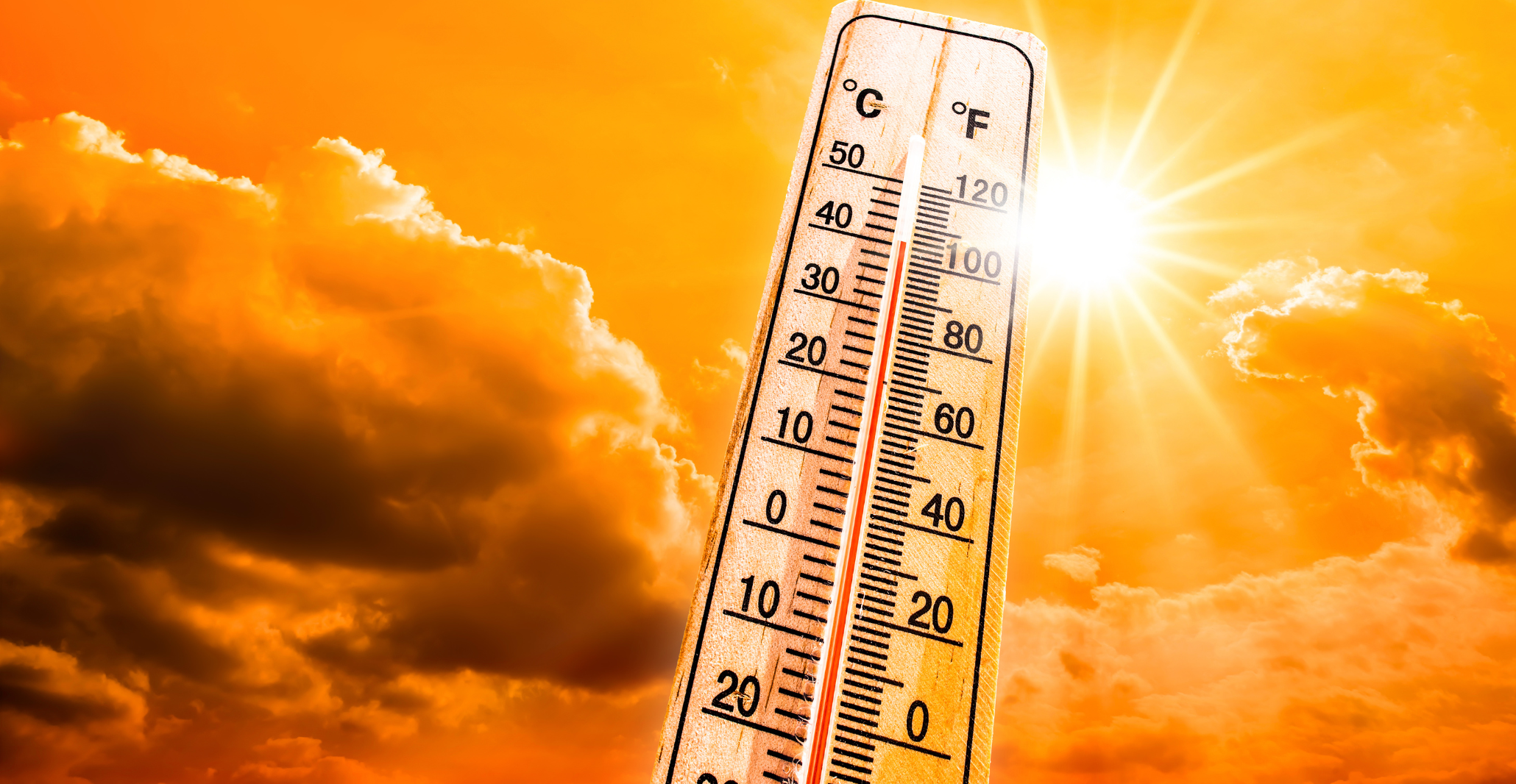
- Climate Change and Extreme Weather: The result of physical and chemical contamination of water sources from floods and droughts is the increasing temperature spread of disease by water.
- Collapse of Health Systems: Political instabilities in the affected countries have weakened health systems in such a way that there is a gross shortage of vaccines and those necessary for treatment by rehydration plus antibiotics in case of cholera.
- Lack of Clean Water and Sanitation in Low-income Areas: Many of the poor regions have no access to safe water and sanitation facilities, thus providing free passage for rapid spread of cholera bacteria.
Worst-Affected Areas
The spread is most severely impacting conflict- and resource-limited countries:
- Sudan: More than 30,000 cases have been reported in Sudan, making the country among the most affected by the health disaster. The destruction of health infrastructure makes matters worse.
- Yemen: Over five hundred thousand cases of cholera have been reported since the first of 2024 in Yemen, where the health system has been made impotent due to several years of war.
- Haiti: Political instability and poor sanitation bring new cholera threats to the population, with 20,000 recently reported cases during the first three months of 2024.
- Democratic Republic of the Congo (DRC): Cholera is raging through refugee camps and straining local health facilities.
Health Systems Effects and Response
Basic medical supplies, combined with much-reduced vaccines, manage to use overwhelmed health systems in these regions. For example, humanitarian organizations, such as Médecins Sans Frontières (Doctors Without Borders) and the WHO, mobilized rapid response teams to establish cholera treatment centers and provide clean water. Crowded hospitals leave thousands of patients under suboptimal conditions in makeshift clinics even as the programs are promoted in the same breath. They include those on general hygiene awareness and early treatment of patients to curtail as much death as possible.
The Path Forward
Addressing cholera calls for investments in water and sanitation infrastructure that will be longer-term, improved vaccine production, and strengthened health systems. The Global Task Force on Cholera Control (GTFCC) will be doubling-down on vaccine distribution while governments and international organizations will coordinate an effort to prevent future outbreaks. Otherwise, without long-term investment, vulnerable people will remain vulnerable.








Leave a Reply