

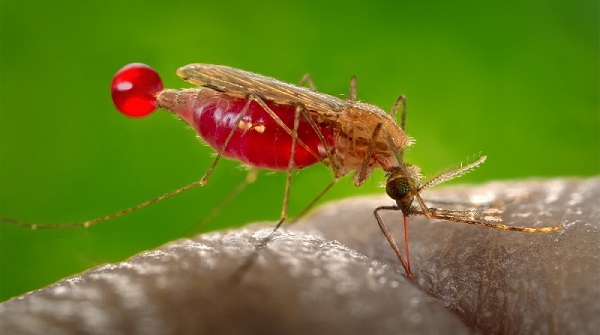
Malaria is such an insidious disease that we have been fighting for so long that we sometimes forget what it means to the millions of people who are affected by it, especially people living in sub-Saharan Africa and in parts of Asia. Female Anopheles mosquitoes carry Plasmodium parasites, which invades red blood cells causing those infected with malaria a wide range of symptoms including fever, chills, and fatigue; if left untreated, malaria can be fatal in such a short time.
While these statistics are frightening, they present only one side of the story. In 2022, the World Health Organization estimated that there were roughly 249 million cases of malaria worldwide, ID’d for that year. They registered 11% of those cases in Africa. In the same year, the WHO also estimated that there were over 600,000 deaths due to malaria, almost 80% of which were in children under 5 years of age. Entire communities are losing their youngest and most vulnerable population group at rates that would be unthinkable in countries that hold healthcare in high regard because they have made treating those affected a national priority.
The consequences of malaria cannot be just limited to morbidity and mortality – it impacts people’s lives. In the areas of greatest impact from malaria, people cannot work, children cannot attend school, and families often pay for healthcare with money they do not have. In time, these effects stagnate local economies, forcing people to remain in poverty. In fact, the World Bank estimates that countries suffering from malaria can lose more than 1% of their economic growth annually.
There have been real successes. Insecticide-treated bed nets, rapid diagnostics, and improved treatment have saved millions of lives over the last twenty years. However, the battle gets tougher over time. Mosquitoes are evolving to resist common insecticides and the malaria parasite is developing resistance to our most effective treatments. It is like running a race, where your opponent keeps getting faster.
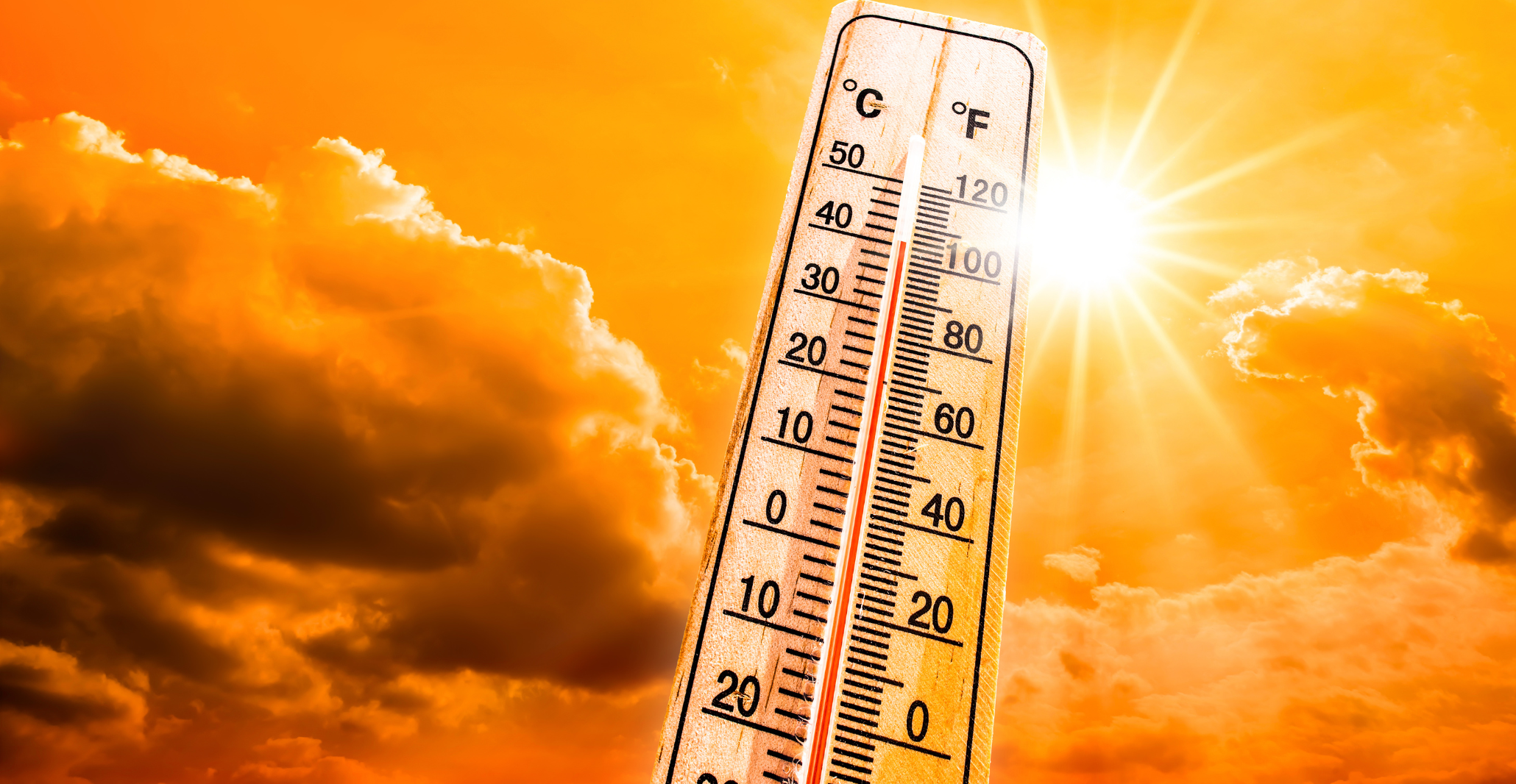
And there is climate change. Rising temperatures and shifting rainfall patterns are enabling mosquitoes to take hold in new places — including areas that have not seen malaria for decades. Some health officials are already warning of the emergence of cases in parts of the Horn of Africa, South Asia, and even southern Europe.
But there is some reason to be optimistic. The first malaria vaccine, RTS,S, has been formally approved and is rolling out in countries; a second vaccine, R21 has shown even more effectiveness in trials. But getting that many doses to those who need it most is no easy task. Vaccines require temperature maintenance, must be transported to difficult locations, then administered in doses — all whilst health systems in these countries have clearly been strained.
Malaria is a disease that we know how to control, but it will not go away unless we respond consistently, and in a coordinated way. This is not just science — this involves funding, political will and ensuring life-saving tools get to at-risk people. Until we do, malaria will continue to kill year after year, in places where it has taken far too much already.









Leave a Reply