


Struck with a rapid fever followed by agonizing joint pain, in 2025, Chikungunya, whose name literally means “disease that bends up the joints” is a serious arthropod-borne virus (arbovirus) that has resurged at an alarming rate. As global warming caves in, mosquitoes thrive amidst the elevated temperatures. Old dangers are brought back while public health, ecosystems, and global readiness is challenged.
What is it?
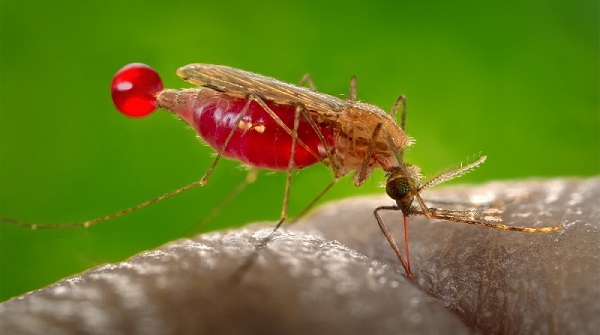
Chikungunya virus (CHIKV) is an arbovirus transmitted by the bite of a mosquito; specifically the Aedes aegypti and Aedes Albopictus species who are known for carrying several deadly diseases. Chikungunya was first discovered in the United Republic of Tanzania in 1952 with the first recorded outbreaks being located in Asia during the 1970s. Since then, the 2000s have seen much more frequent recurrences of the virus with its peak being in 2014. In 2014, the Americas experienced an intense epidemic of Chikungunya with a total of 8.7 million cases within a singular year.
Symptoms of Chikungunya typically appear 2-7 days after infection and include:
- High fevers
- Severe joint pain/swelling; typically in hands, feet, and knees
- Pain in the abdomen, back of eyes, or muscles
- Headaches
- Fatigue
- Nausea & vomiting
- Rashes & swollen lymph nodes (rare)
Why Is It Rising Again?
As time passes, the globe slowly begins to see potential in an upcoming outbreak of Chikungunya. Could this be the beginning of yet another global pandemic? However, this isn’t just a random outbreak–it’s return is fueled by causes such as:
- Global Warming
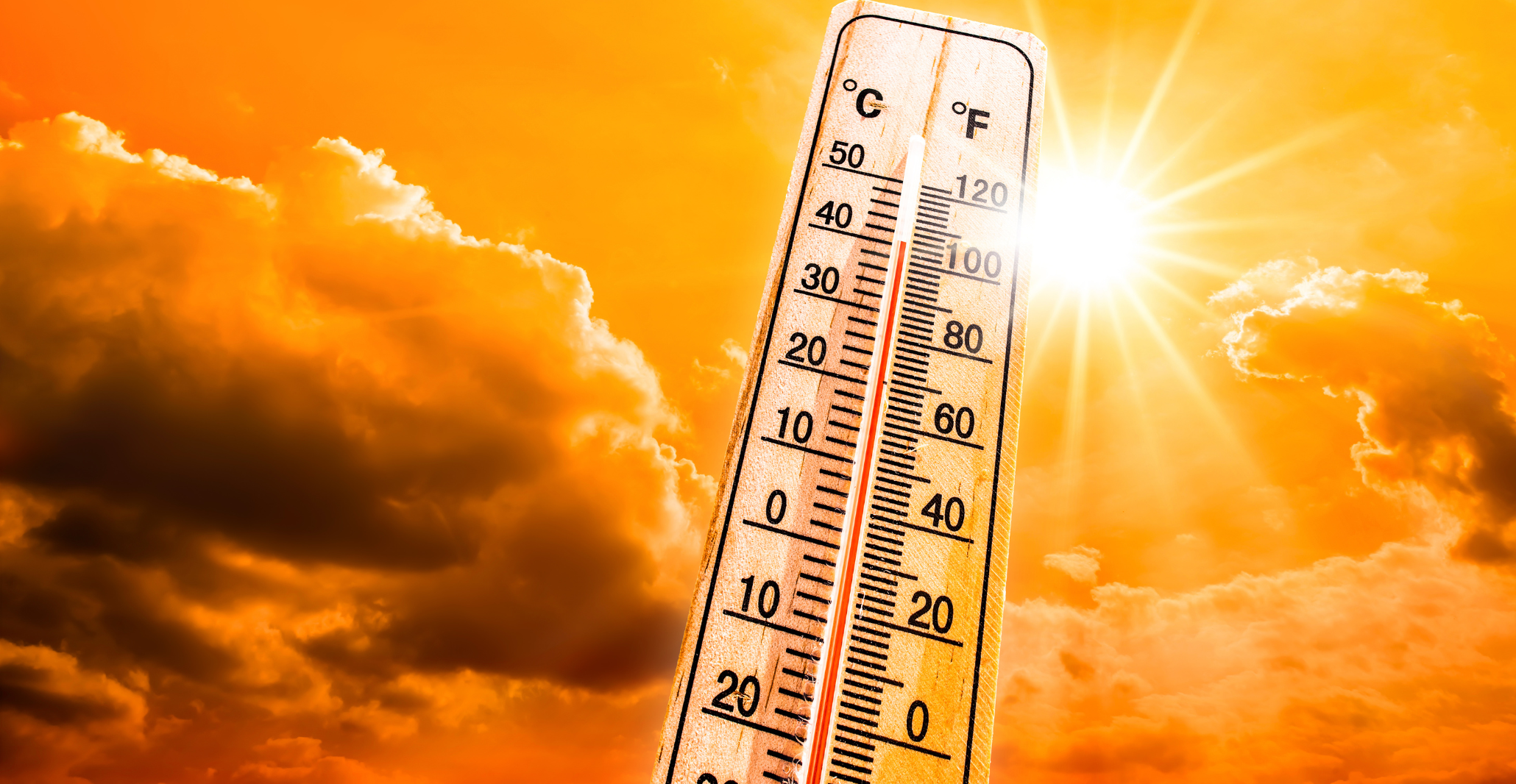
Global warming expands the geographical range & breeding seasons for mosquitoes who carry the virus; warmer temperatures also encourage inhabitation of such mosquitos leading to outbreaks in more areas.
- Lack Of Immunity
Chikungunya is relatively new to several communities, resulting in a lack of pre-existing immunities/vaccines. The lack of immunity causes the virus to spread at rapid paces and continue re-emerging.
- Urbanization
Increased vector habitats, aedes adaptation, higher human population density, & urban heat island effect are all supporting factors that encourage the spread of Chikungunya through recent urbanization.
Current Affected Areas
- China
China, specifically in the Guangdong Province is facing an outbreak of Chikungunya. Residents are encouraged to practice enhanced precautions (level 2) and 8,000+ cases of the disease have currently been reported. This rising endemic marks China’s largest outbreak since the virus’s detection in 2008.
- Bolivia
Specifically in the department of Santa Cruz, the U.S. Embassy in Bolivia has issued a level 2 health notice for Chikungunya. Recently, Bolivia has reported around 5,000 confirmed cases of the rising viral disease.
- Brazil
Historically, Brazil has had the most Chikungunya cases ever recorded with outbreaks still being ongoing. 2025 marks Brazil’s 11th consecutive year of outbreaks. Brazil is reported to have over one-hundred-thousand cases and 43,872 of the cases being from Mato Grosso.
Chikungunya Treatment & Prevention
Let’s imagine a scenario where you have been bit by a mosquito, feel symptoms, and believe you have Chikungunya. What steps should you take? To begin, you must remember there are no specific treatments for chikungunya and those infected should be managed for dengue fever until that possibility is eliminated. This means you should avoid taking medications such as aspirin or other NSAIDs as it can increase the risk of hemorrhage. Avoid going outdoors and ensure you get adequate rest, plenty of hydration, physical therapy (if required). Seek medical care if you notice your symptoms are worsening.
Now you may be wondering, “How can I prevent Chikungunya?”. Well, the answers are pretty straightforward; the best way to prevent being infected by the disease itself is to avoid mosquito bites, especially if you live in an area prone to the re-emerging disease. It’s recommended to use Environmental Protection Agency (EPA) registered insect repellant, treat clothing with 0.5% permethrin, and encourage use of air conditioning + mosquito nets. Along with avoiding mosquitos, it would be beneficial to avoid traveling to areas with high-risk of this disease. If you must travel, you should schedule an appointment with your healthcare provider and explore any vaccination options before you head out.









Leave a Reply