

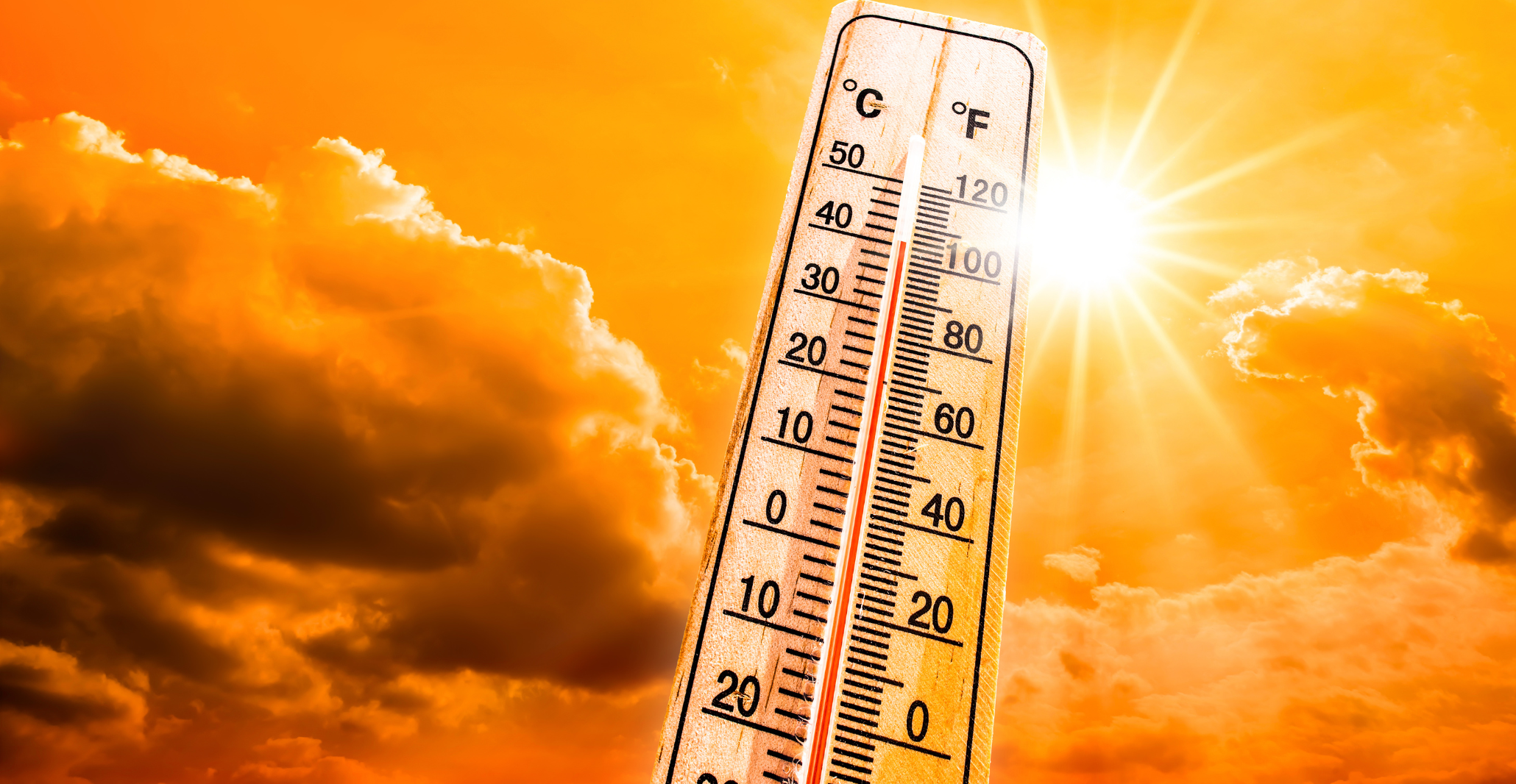
Heatwaves, which have become much more frequent and deadly than they used to be, went from seasonal inconveniences to life-threatening health disasters in recent years. With climate change rapidly accelerating, more places around the world are experiencing unprecedented levels of heat and the associated impacts on human health are becoming devastating.
A report published in Nature Medicine in the summer alone, calculated excess deaths at 61,000 across Europe: countries were experiencing overwhelmed hospital systems (in Greece, Italy, and Spain), and India and Pakistan were experiencing mating rates among the poor and among the elderly. In some locations infrastructure and the energy grid were pushed to the extreme as temperatures climbed to more than 50°C (122°F); human bodies weren’t far behind.
Extreme heat has arisen as a looming health hazard in the world today and has been declared as such by the World Health Organization, more so for its impact on the vulnerable populations. Those in more danger would include children, the aged, pregnant women, outdoor workers, and people with preexisting conditions such as asthma or cardiovascular disease. The heat will cause cardiac arrests, respiratory distress, kidney failure, or maybe some degree of brain damage caused by dehydration and heat stroke.
The difference between most health emergencies from heat-related deaths is that they are largely preventable. Yet the world remains dangerously unprepared. Most urban areas are still lacking in cooling infrastructure and have not set up any public cooling centers or shaded walkways, let alone heat alert systems. Then, the problem is even more pronounced in low-income countries. Millions remain without proper access to electricity, potable water, or healthcare, which, in itself, makes an adequate response to an extreme heat event hardly possible.
The CDCs have pronounced heat-related deaths to be the top weather-related cause of death in the United States, more than deaths from floods, tornadoes, and hurricanes combined. 2023 was Phoenix’s hottest summer on record, with more than 645 confirmed deaths linked directly to heat, and this number is expected to climb further.
The medical community also gives a warning. A January 2024 Lancet Countdown report cautions that climate-induced heatwaves are likely to reverse decades of public health gains, place millions of people at risk of food insecurity, and set in motion forced migration due to incapability of regions being fully inhabited.
Hence, experts propose governments to:
- Develop heat action plans with early warning systems and emergency response teams.
- Alter urban design to incorporate green infrastructure and reflective surfaces to reduce urban heat islands.
- Ready healthcare systems by training providers to diagnose and treat heat-related illnesses.
- Support climate-resilient houses and enable access to affordable cooling solutions.
Heatwaves are not just rare or regional. They are global, and they are getting more severe and coming on quicker than health systems can adapt. Without urgent investment and policy changes, this climate emergency – caused by climate change – has the potential to become the greatest health crisis of our generation.











Leave a Reply