

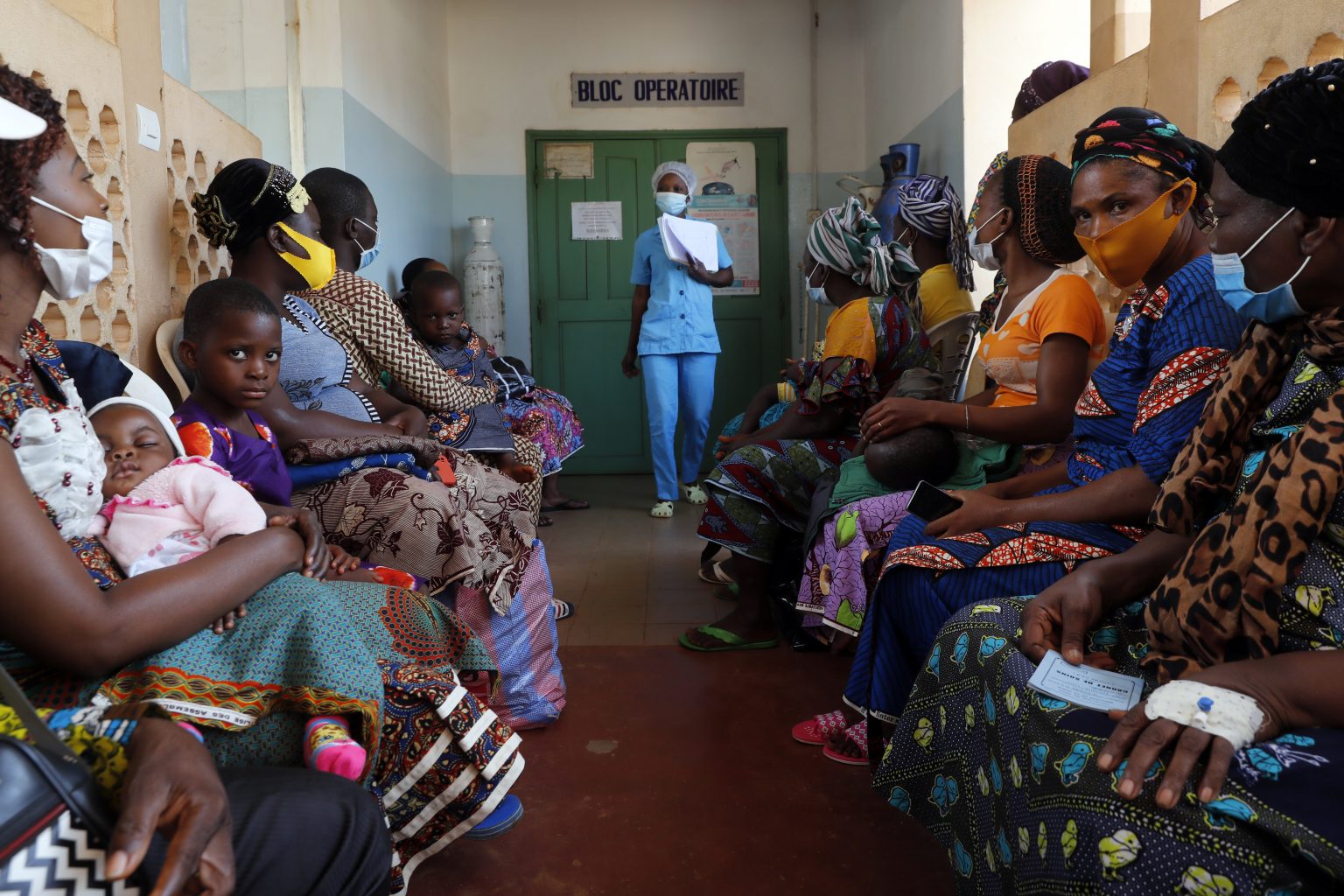
Tuberculosis, also known as TB, is an illness that is caused by Mycobacterium tuberculosis. It has been around for many centuries, and evidence of it dates back to as long as 9,000 years ago. The disease primarily affects the lungs; however, it has the risk of spreading to other major body parts like the brain, kidneys, and spine. Transmission occurs through person-to-person contact, especially coughing and sneezing. When active, tuberculosis can cause persistent coughs, chest pain, fatigue, and fever. Although it has been on the decline, the recent resurgence of the illness has quickly started to become a concern to health officials.
Where it Started
The upsurge of tuberculosis began in January of 2024 in Kansas City, Kansas, and its surrounding counties, continuing into March 2025. As of March 23rd, 147 have been diagnosed during the outbreak. 67 became ill with the disease, while 80 contracted it but showed no symptoms. Despite being on the decline, the recent increase in cases in the United States, specifically in Kansas, has alarmed health officials. Some claim this to be one of the largest outbreaks in U.S. history since the 1950s.
Tuberculosis has been the leading infectious cause of death worldwide for many years. In recent years, it has been second to COVID-19. The reported cases keep on increasing each year. In 2023, there were 9,633 cases reported which was a 15% increase from 2022. This trend is alarming because the disease has been declining for decades.
People at Risk
The World Health Organization (WHO) has called for intervention to stop the disease from spreading further after there was a 10% increase in the European region. Also, anyone can get the illness; people who frequently travel internationally or live in large communal settings are especially at risk. Experts are continuously warning the public to stay alert of the disease and its symptoms. Public awareness is key to control infectious diseases like tuberculosis. The outbreak in Kansas highlights the dangers tuberculosis brings.
Funding Concerns
Testing for tuberculosis in the past 20 years has saved the lives of millions of people. This result comes from the foreign aid given to countries, especially those that are low and middle-income. However, recent funding cuts threaten the rise of the disease once again. Experts worry the 2025 funding cuts will have a huge impact on TB programs and increase the spread of the disease due to inadequate testing.
Moving Forward
As the disease spreads, health officials and organizations are collaborating to address the current outbreak in Kansas by spreading awareness, warning the public, and conducting testing. Despite funding cuts, many are working to help those affected by the outbreak. To further prevent the spread of tuberculosis, individuals should ensure proper hygiene and stay home when feeling sick. The situation is continuously being monitored, and experts remain hopeful for a time when this ancient disease is no longer a major health concern.











Leave a Reply