

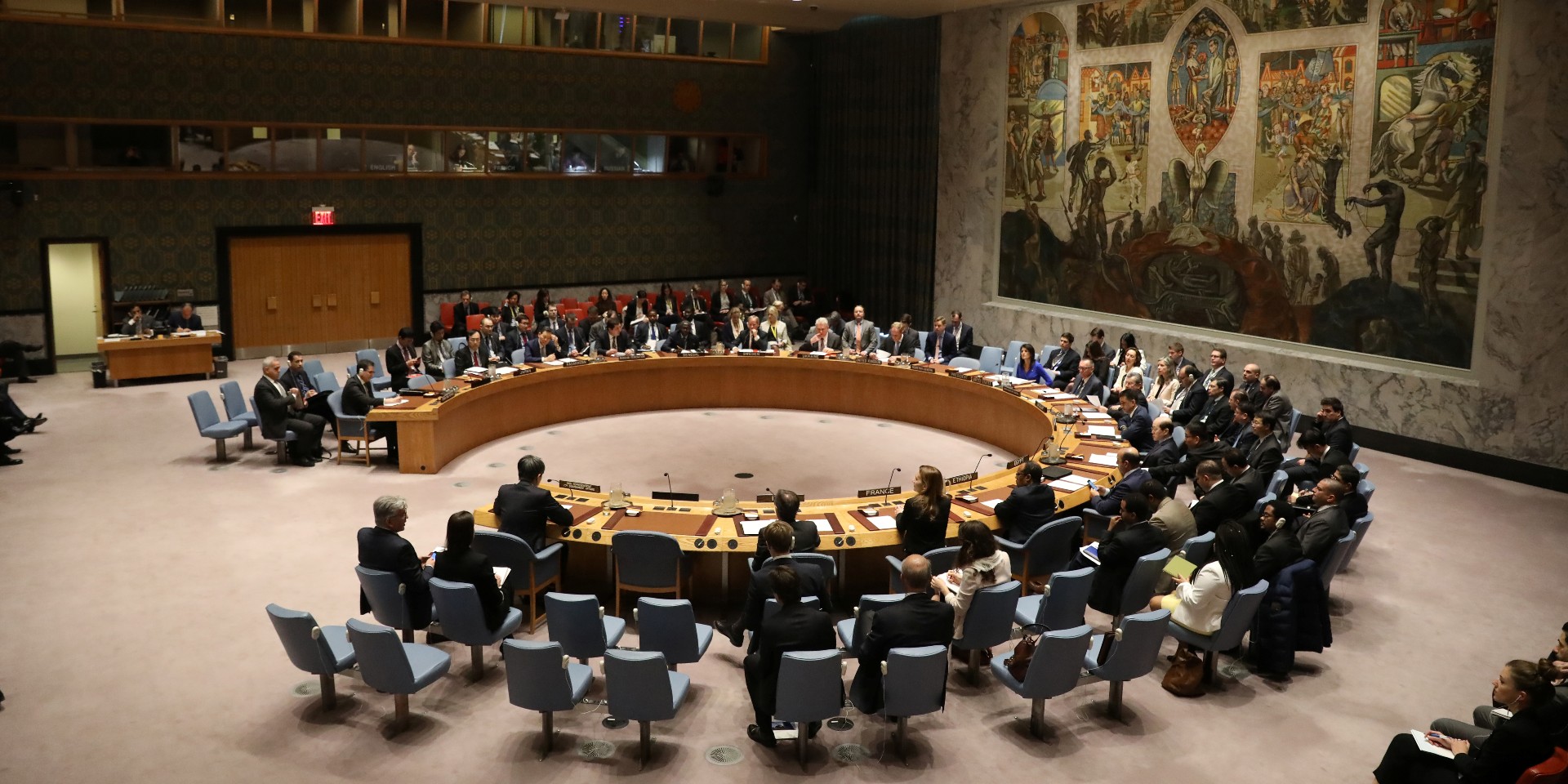
Global pandemics, together with contagious diseases, have historically threatened humanity throughout the world. The world needs to unite its efforts at each level when addressing emergency situations. The World Health Organization (WHO), together with the United Nations, plays an essential part in resolving worldwide health challenges. These organizations monitor conditions, develop policies, and distribute resources all around the world. These organizations utilize various methods for preventing disease transmission. Let’s explore what these organizations do.
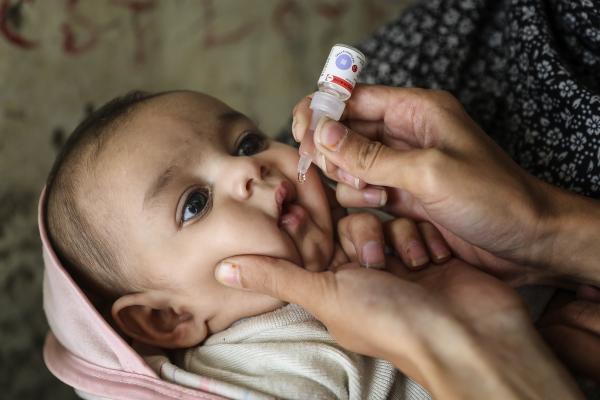
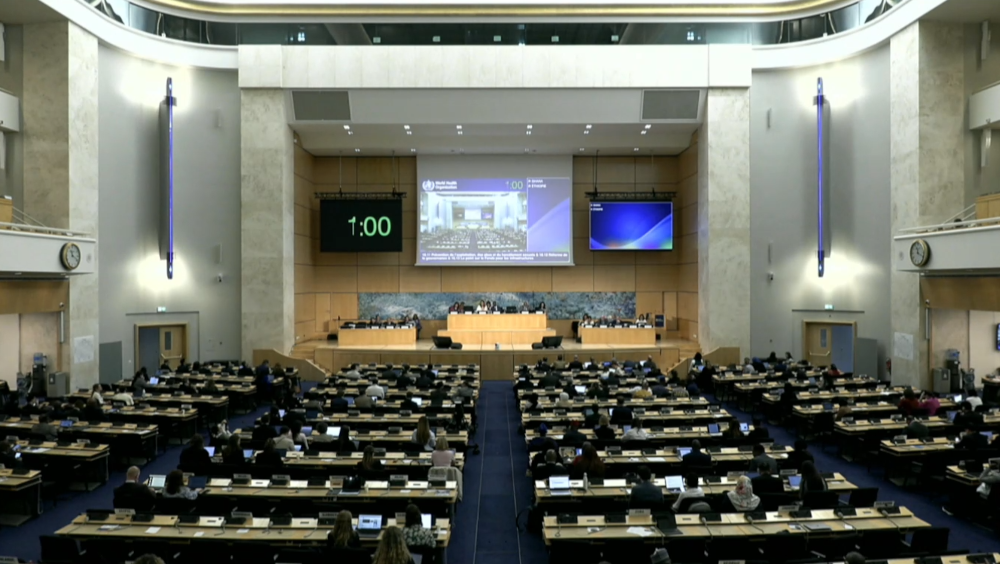
Along with multiple worldwide health authorities, stands the World Health Organization, otherwise known as the WHO. The WHO is responsible for managing many different situations that may require its intervention. Using many tools, such as the Global Outbreak Alert and Response Network (GOARN), the WHO monitors worldwide outbreaks that can be resolved before further infections. The WHO manages numerous responsibilities in addition to this primary health task. The WHO faces two demanding tasks: collecting resources like vaccines and personal protective equipment (PPE) alongside healthcare staff deployment to serve underdeveloped areas. One other essential responsibility is sharing complete and precise health information and statistics. They must provide correct health and safety practices training to governments and populations, while also fighting against misinformation. These duties demonstrate that the WHO bears many substantial responsibilities to stop health crises as well as to react swiftly before they get out of hand.
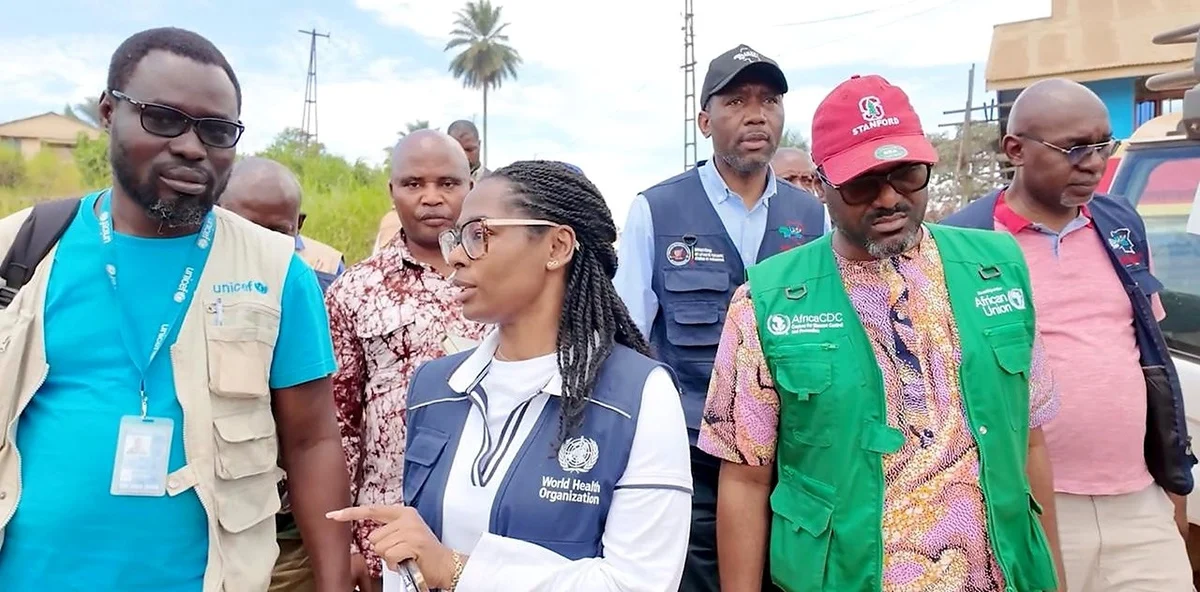
The WHO isn’t alone and works alongside many other organizations. Under the UN are the World Food Programme (WFP) and UNICEF. All these organizations work together to manage important health-related responsibilities. Through the Office for Coordination of Humanitarian Affairs (OCHA), the UN creates programs that ensure efficient resource distribution worldwide. Through its “other arms”, the United Nations provides both financial backing from UNICEF and life-saving nutritional aid through the World Food Programme (WFP) to help affected communities. Overall, these organizations and the UN are responsible for bringing countries together in order to respond to and prevent health emergencies, where political tension may delay the process.
Billions of people receive some support from the WHO and UN organizations, along with their many partner entities. The organizations exist to minimize health emergencies while delivering meaningful responses to all forms of contagious disease spread. These organizations provide support through creating policies, resource distribution, and basic assistance to help people. These organizations divide challenging responsibilities between them and collectively address the emerging challenges. It’s crucial that they continue to work together, help those who may be underprivileged, and improve international relations.
Image Credit: CFR Education








Leave a Reply