

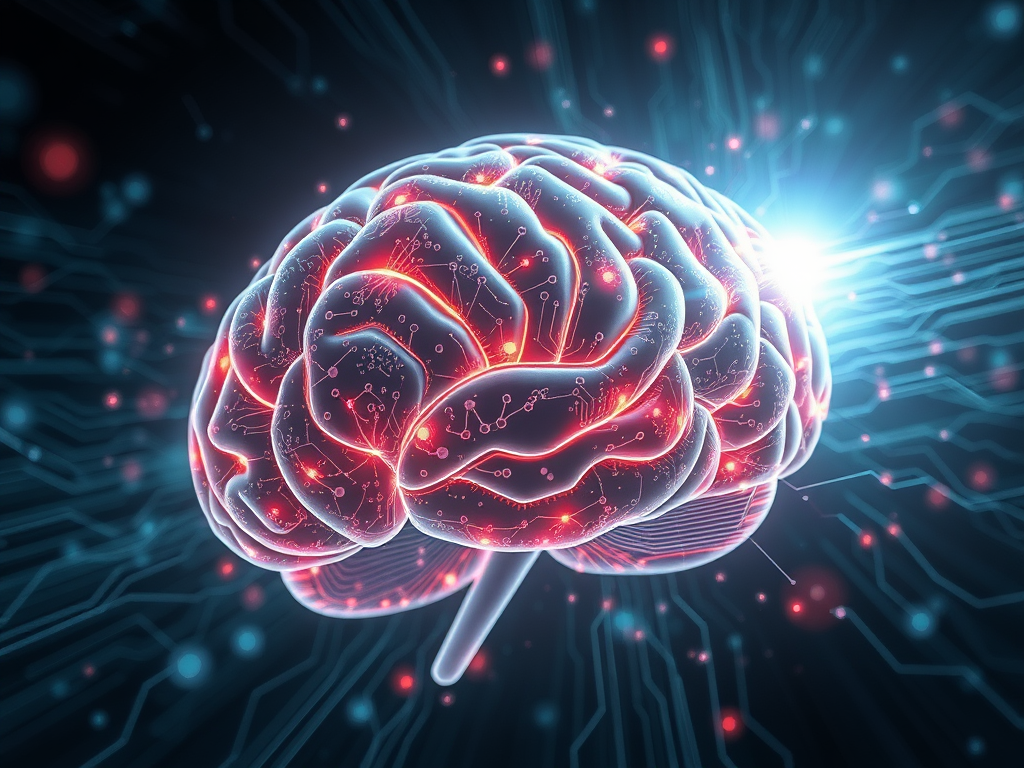
Elon Musk’s company Neuralink aims to integrate the human brain with digital devices through brain chip technology. This technology has great potential for paralyzed individuals to regain motor function and for the treatment of neurological diseases. However, there are many challenges regarding the compatibility of these chips with the complex structure of the human brain and the potential health impacts.
Neuralink uses many microelectrodes to communicate and interact with the brain, but the brain is a complex network of billions of neurons and synapses. This makes it difficult for the chip to interact with the brain in a highly accurate and precise way. Furthermore, the biological reactions of the brain when it encounters a foreign device can cause problems, such as inflammation and immune responses. This could affect the long-term safety of the chip.
For now, the brain chip can only interact with certain areas of the brain, and while this limitation could be improved in the future, it currently limits treatment possibilities. This technology is currently in the very early stages, which makes the timeframe for possible developments and when this technology will reach peak performance uncertain. In addition, studies to understand the possible effects of the chip on human health are still ongoing. Studies on the safety and effectiveness of this technology have not yet been completed.
Brain chip technology brings many innovative approaches and possibilities, such as improving mental performance and treating diseases, but it also raises ethical issues. euralink’s chances of success depend on further developments to understand the implications of this technology for human health and to adapt to the complex networks in the brain. In the future, this technology could play an important role in the world of medicine, but there are still many hurdles to overcome.









Leave a Reply