

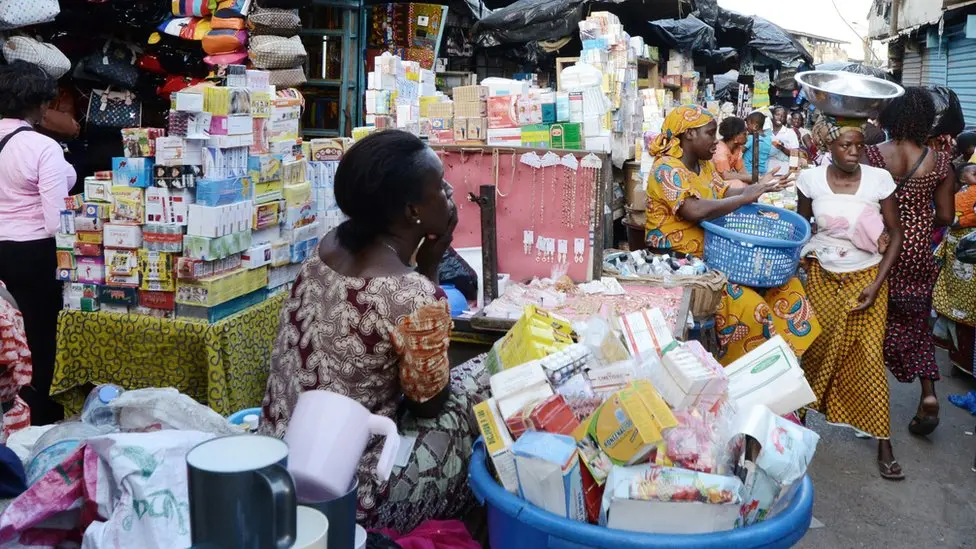
With more and more of the world relying increasingly on drugs to cure what ails us, from chronic conditions to infectious disease, the scourge of counterfeit medicine is a silent, global health crisis. Unlike a pandemic or a catastrophic act of nature, the threat of counterfeit medication is hidden, insidious, and deadly—and spreading with lightning speed.
The World Health Organization puts the rate at 1 in every 10 medical products in low- and middle-income economies that are either of poor quality or falsified. Millions of patients, therefore, ingest pills with the wrong dose, wrong content, or no content at all. In 2023 and now to 2025, the situation has worsened dramatically in Africa, Southeast Asia, and Latin America, where demand increases more than the availability of controlled substances.
Some of the worst impacts of this tragedy were witnessed in the case of Gambia in late 2022, where dozens of children lost their lives by consuming medicines that were later discovered to have had lethal concentrations of diethylene glycol, a chemical that occurs in antifreeze. In 2023, Uzbekistan and Cameroon witnessed similar incidents and awakened the world to the ease with which a deadly chemical can be spiked in the pharma supply chain.
The problem is not confined to the developing world. In the US, fentanyl, a synthetic opioid more potent than heroin, has been laced in counterfeit versions of legal drugs like Adderall, Xanax, and painkillers. In 2024, the US Drug Enforcement Administration (DEA) reported that 6 out of every 10 counterfeit pills intercepted in the country contained potentially lethal doses of fentanyl. It is easier than ever with the proliferation of online pharmacies and dark web marketplaces for people to accidentally purchase harmful drugs.
Why does this occur? A lot of factors come together. To start with, the international pharmaceutical supply chain is incredibly complex. Acompound can be manufactured in one nation, exported to another tobe packaged, and labeledsomewhere farther down the line. So much complexity creates ampleopportunity for fake medicines to get by.
Second, the global shortage of essential medications, coupled with supply chain interruptions due to the COVID-19 pandemic, has created a demand black market. Patients or hospitals that cannot obtain the real thing will seek alternatives that are less expensive or not adequately tested.
Third, there is still patchy regulation. Some, such as the UK and Japan, have sophisticated traceability systems supporting regulatory controls, but some have little or no enforcement systems. Criminal networks make the most of such loopholes and manufacture and supply counterfeit medicines in huge amounts, all too often with impunity.
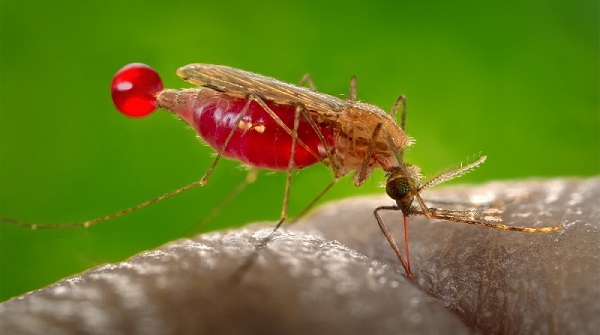
Not only does this crisis damage individual patients, but also erodes entire public health systems. For example, widespread consumption of substandard antimalarial drugs has been linked to the development of resistance in malaria parasites that make outbreaks harder to control. Similarly, substandard antibiotics contribute to the emergence of antimicrobial resistance, perhaps the world’s biggest health emergency.
So, what should be done? Greater international cooperation, increased supply chain vigilance, more openness, and public awareness are the solution, experts say. New technologies like blockchain-based tracing, authentication software over mobile phones, and packaging serialization have been tried with some measure of success. Political will and investment are needed to take such steps to a wider level.
The counterfeiting plague is not so much a matter of counterfeit pills, but of trust. At a time when drugs are all that are keeping people alive, the very pillar of medicine hangs in the balance. Unless we act urgently, the silent health emergency will be the one that we won’t survive.








Leave a Reply