

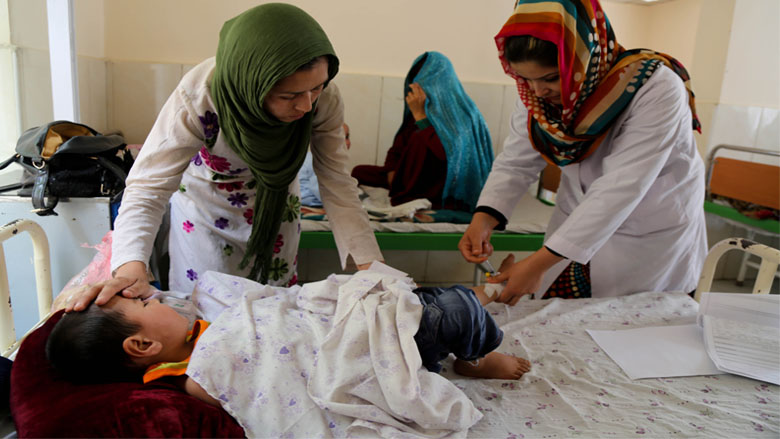
Following the US pause of international human aid, third-world countries such as Afghanistan have been severely affected. Estimates say that more than 200 WHO health facilities in the country have been forced to shut down, cutting off medical care for up to 1.84 million people. What has followed is an extreme lack of access to vaccinations, child and maternal health services, and several other primary health rights.
A striking and bewildering announcement was made a month ago: the cessation of up to 80% of USAID programmes globally by the US government. Indeed, back and forth discussions about these cuts have revealed that nearly half (47%) of all humanitarian funding by the US has been cut. The Taliban have reportedly been the ones indirectly benefiting from this funding rather than sick people, with it having helped stabilize the currency and prevent uncontrolled inflation. The US believes that the sudden freezing of the income of funds may force the Taliban to succumb to international demands, due to the lack of a fully self-sustaining economy in the country. On the other hand, critics argue that these measures disproportionately harm civilians.
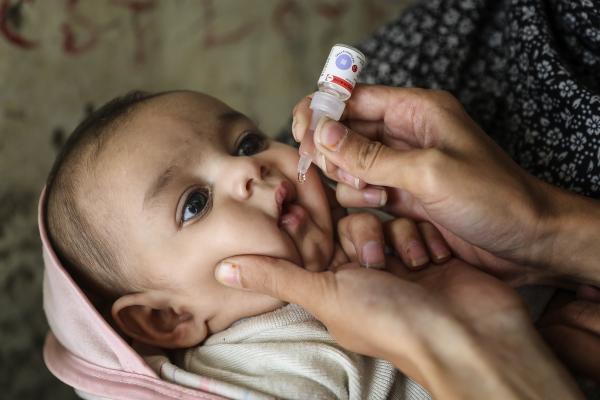
It is predicted that without urgent interventions, some 200 more health facilities may shut down on top of the already gone 206. By June, up to 80% of the World Health Organization’s facilities may be terminated. Already, essential vaccine campaigns for diseases like polio and measles have been halted with no further notice of resumption. Afghanistan’s already widespread food insecurity has been exacerbated – cutting off food assistance for approximately two million people, including but not limited to malnourished children and pregnant women.
Setting aside rampant health issues, the cessation of aid has inadvertently affected the lives of local people that worked for international companies. The job losses of aid workers have worsened the situation for a country already struggling with poverty and unemployment.
Intense opposition by protesters and the ordinary people alike has compelled the US government to slowly begin reinstating USAID projects worldwide. Yet, no such reinstatement is in the sights for Afghanistan. These cuts have been named a “death sentence” for millions by several UN agencies and humanitarian organizations. In addition to this, former USAID officials warn that such withdrawals will only assist the Taliban’s narrative of an indifferent West, apathetic to Afghan suffering.
We, the people, can help by spreading awareness in our communities. Donating to verified organizations that work in Afghanistan, namely the World Food Programme, Doctors Without Borders and UNICEF, is of course crucial. Besides these, volunteer work, fundraising events and signing petitions to assist refugees or struggling communities can be the first steps to making a difference on a larger scale.
Image Credit: World Bank








Leave a Reply