


At dawn before the sun rises, when all the other cities are just waking up, in some corner in Gaza or Damascus, there is a mother awake. Not because she can’t sleep—but because sleeping for her is a luxury lost many years ago. She is eight months pregnant, her belly tight with life, while the rest of the world outside her home crumbles like a sandhouse.
There is no hospital nearby anymore. The last one she attended was bombed to the ground two weeks ago. The clinic on the corner of her street ran out of supplies. The midwife quit. So she waits, not for a calendar-marked due date, but for a lull in the shelling long enough for her to be able to catch her breath.
This is perinatal health in a war zone. Not studies, not statistics—just stories like hers, multiplied by thousands.
When we talk about war, we talk about casualties and ceasefires. We analyze troop movement and the sale of arms. But hardly ever do we talk about what happens to a woman who is trying to give birth to a child in a world that is already falling apart. We do not ask about how she keeps going when the power fails during labor. Or where she goes when clean water is just a memory. Or what becomes of a newborn when the only incubator around runs out of fuel.
In Gaza, over 50,000 women are pregnant. In Syria, millions of babies have been born outside their homeland, their first cries heard inside refugee tents and packed shelters. In Yemen, mothers have walked for hours to reach a clinic, only to be met with nothing but dust and closed doors.
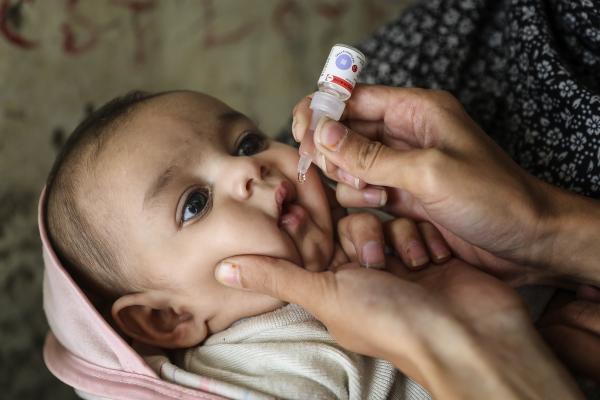
No gender reveal, no prenatal yoga, no soft lullabies in store for these babies. Only noise. Sirens. Bombs. Silence. Repeat.The womb should be the safest place on earth. But in the Middle East, it’s a battleground more often than not. Stress, malnutrition, and trauma don’t shadow these women; they reside in their bodies. Their babies grow in fear’s shadow, their hearts grieving in empathy with air raid sirens.
And yet—babies keep on coming. Still loved. Still clasped, even when there’s barely anything to grasp.
There’s something quietly heroic about motherhood in war. Not the kind that headlines or gets Pulitzer Prizes. The kind that warms up baby bottles on wood stoves. That strips bathrooms bare for diapers, or stitches tatters into rough blankets. That sings lullabies in the black of night even when the singer’s own voice is shaking. These things don’t change policy. They don’t make wars stop. They keep life afloat, heart by tiny heart.
But still, love is not enough. No mother must give birth to her child under the whine of drones. No baby should take its first breath under dust and fear.
And still, the world turns away.We have worldwide summits of health equity. We pen white papers. We promise universal access to care. But what does a policy serve when there’s no electricity to power the delivery room? What’s the purpose of a declaration when the ambulance never arrives?
We say that we care about tomorrow. But how can we care about tomorrow, if we don’t care about the instant where tomorrow begins?
The truth is, perinatal health does not make news. Does not go viral. Is not boisterous, and goes often unnoticed—until it does. Until we hear about a premature baby who died from a malfunctioning incubator. Or a mom who hemorrhaged to death from no sutures to use. Or a baby who was born on the floor of a school that had been converted into a shelter, and nobody knows whether or not they lived.
During war, birth is not just a miracle—it’s a rebellious act. A resistance. A hope carved into the cracks of a broken place.Hope needs help, though.
If global health is to be global, maternity care must then be where it’s needed most—not in safe cities with sleek hospitals, but in shelled clinics, on makeshift cots, and on dirt roads where mothers travel hours in labor with the fragile hope of survival.
No peace without defending the most vulnerable.
No future without the children who are to build it.
We owe them better than silence. We owe them better than thoughts. We owe them the dignity of entering this world with light, with care.
Even—especially—when the world around them is dark.
Image Credit: The Stream








Leave a Reply