


Introduction
Yellow fever has re-emerged as a major global health problem. While there is a safe and effective vaccine available, parts of Africa and South America remain under the threat of periodic outbreaks. The organization estimates that yellow fever infects an estimated 200,000 persons annually, leading to approximately 30,000 deaths due to the disease. Among the main factors for resurgence of the disease are declining rates of childhood immunization, rapid urbanization, change in climate, and increased international travel. With these trends, fears raised do not rule out the possibility of spreading beyond traditionally endemic areas and underline an urgent call for establishment of better global prevention and response strategies.
General Overview of Transmission and Symptoms
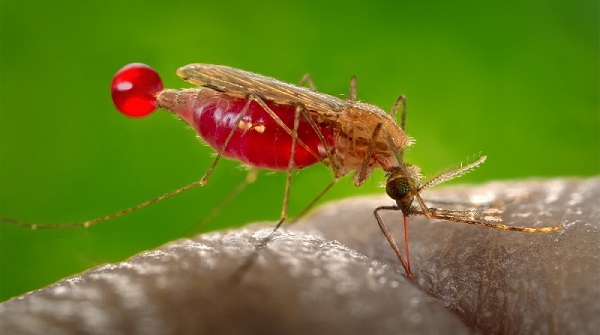
The yellow fever virus is mainly transmitted by the Aedes aegypti mosquito. Urbanizing cities remain particularly susceptible to outbreaks of the disease as this specific vector flourishes in urban settings. Symptoms may begin with fever, muscle aches, nausea, and chills about 3 to 6 days after the person becomes infected. Most cases will be mild, but around 15% of patients will enter a severe, toxic phase where jaundice, bleeding, liver and kidney failure, and perhaps death appear. In these cases, the case fatality ratio could be as high as 30% to 60%. There is no specific antiviral treatment; hence preventive measures through immunization and mosquito control become important.
Elements Contributing to the Resurgence
A few of the global trends which may have contributed to the increase of yellow fever include:
- Decreased Vaccination Rate: Most of the affected regions or where the funding is low have failed to provide the usual effective routine immunization programs, thus leaving millions unprotected.
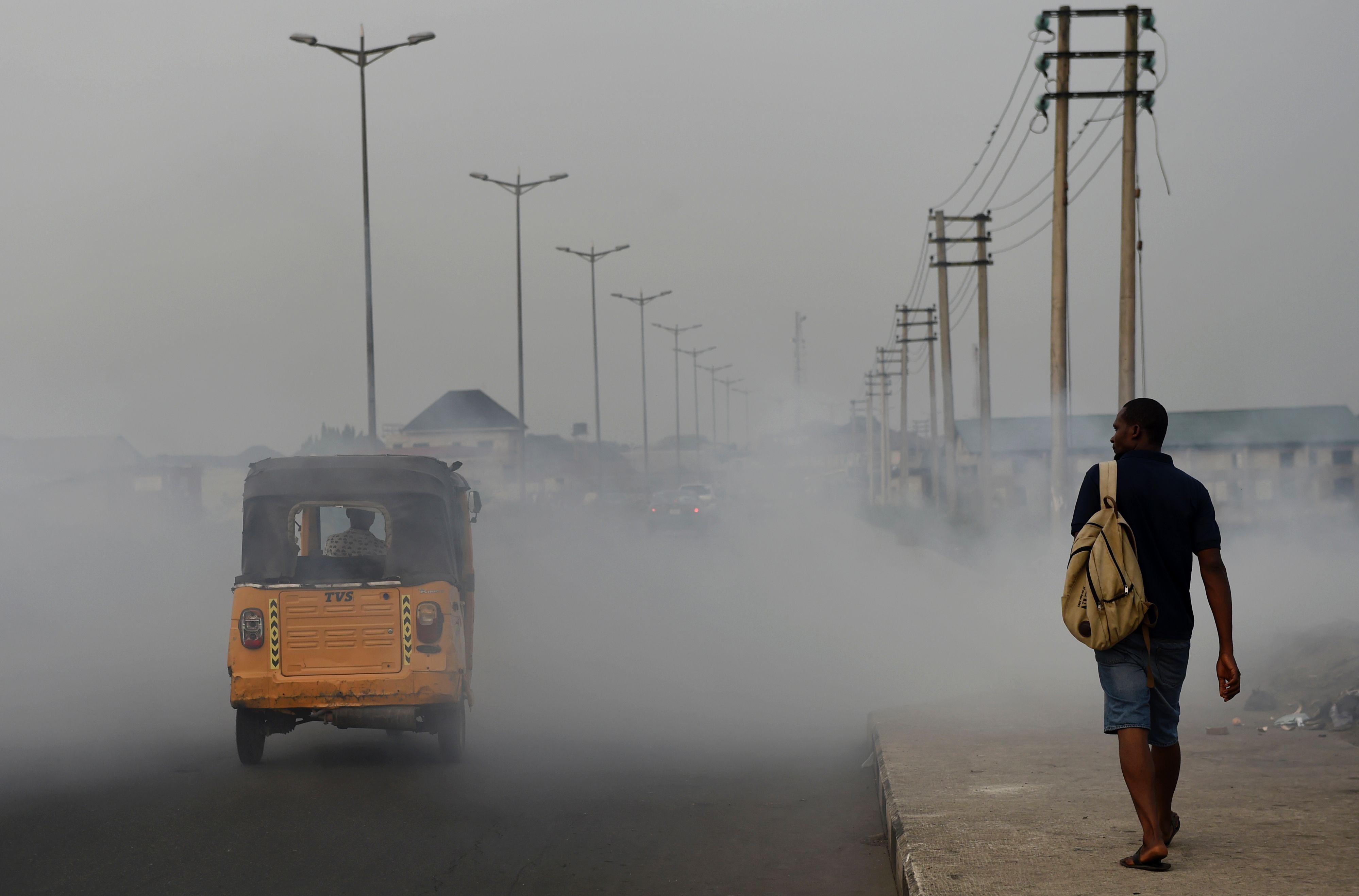
- Urbanization: Rapid and unplanned population growth in the cities especially in Africa and Latin America continues to create environments with high potential for mosquito breeding.
- International Movements: Increase in global mobility raises the chances of non-endemic areas, thereby some parts of Asia, where the disease is non-existent today, turning into an area that spreads within clear reach of Aedes mosquitoes while breeding.
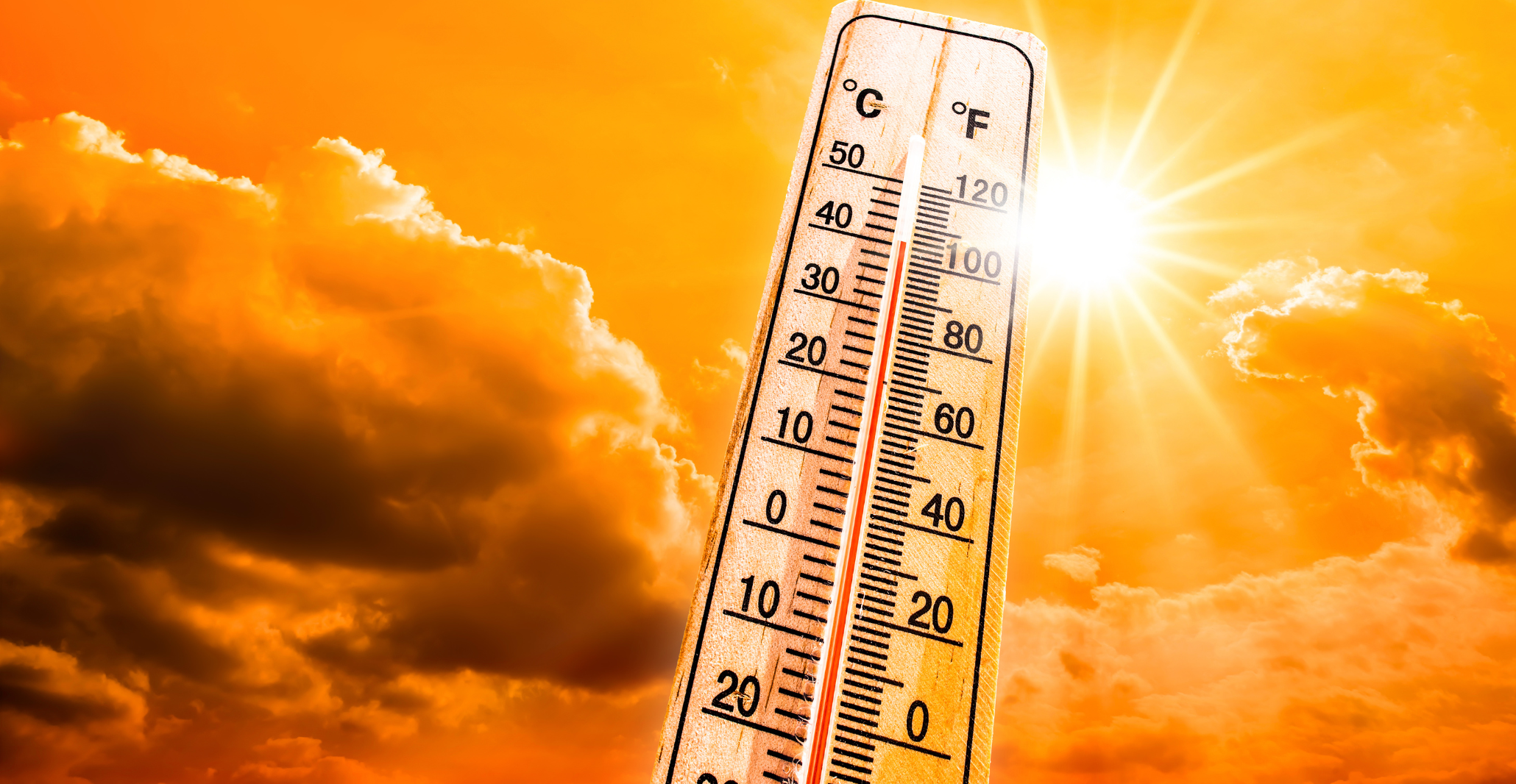
- Changing Climate: The increased temperatures and some changes in the patterns of rainfall expand the areas available to the mosquitoes, moving the yellow fever to the new areas, including higher altitudes and urban centers.
Responses at the Global Level and Therefore the Obstacles
To avoid a return to major outbreaks, the WHO launched the Eliminate Yellow fever Epidemics (EYE) strategy in 2017, which will rely on mass vaccination, better surveillance, and the development of rapid response capacity. Since then, several countries have boosted their immunization efforts to a great extent, but challenges still exist:
- The shortages of vaccines: Globally, stockpiles of vaccines fall short during major outbreaks and production is slow as a result of reliance on live virus cultures.
- Poor Surveillance: They suffer from poor coverage with disease surveillance in a number of localities, causing delays in the response. In most resource-poor countries, routine maintenance of vaccination coverage and mosquito control infrastructure is poor.
- Minority Health Systems: These gaps were laid bare by the 2016 outbreak in Angola and the DRC, forcing health officials to use one-fifth fractional doses of the vaccine to stretch limited supplies.
Conclusion
Yellow fever remains a preventable but potentially devastating disease. Its resurgence illustrates the resurrection of once-controlled illnesses through weakening health systems, global mobility, and environmental change. The global community must, therefore, take decisive action, especially with increased risk of international spread, including activating greater vaccine production, strengthening the surveillance networks, and supporting long-term investments for public health infrastructure. Without coordinated and sustained action, yellow fever could turn into a challenge from a regional, broader global health emergency.








Leave a Reply