

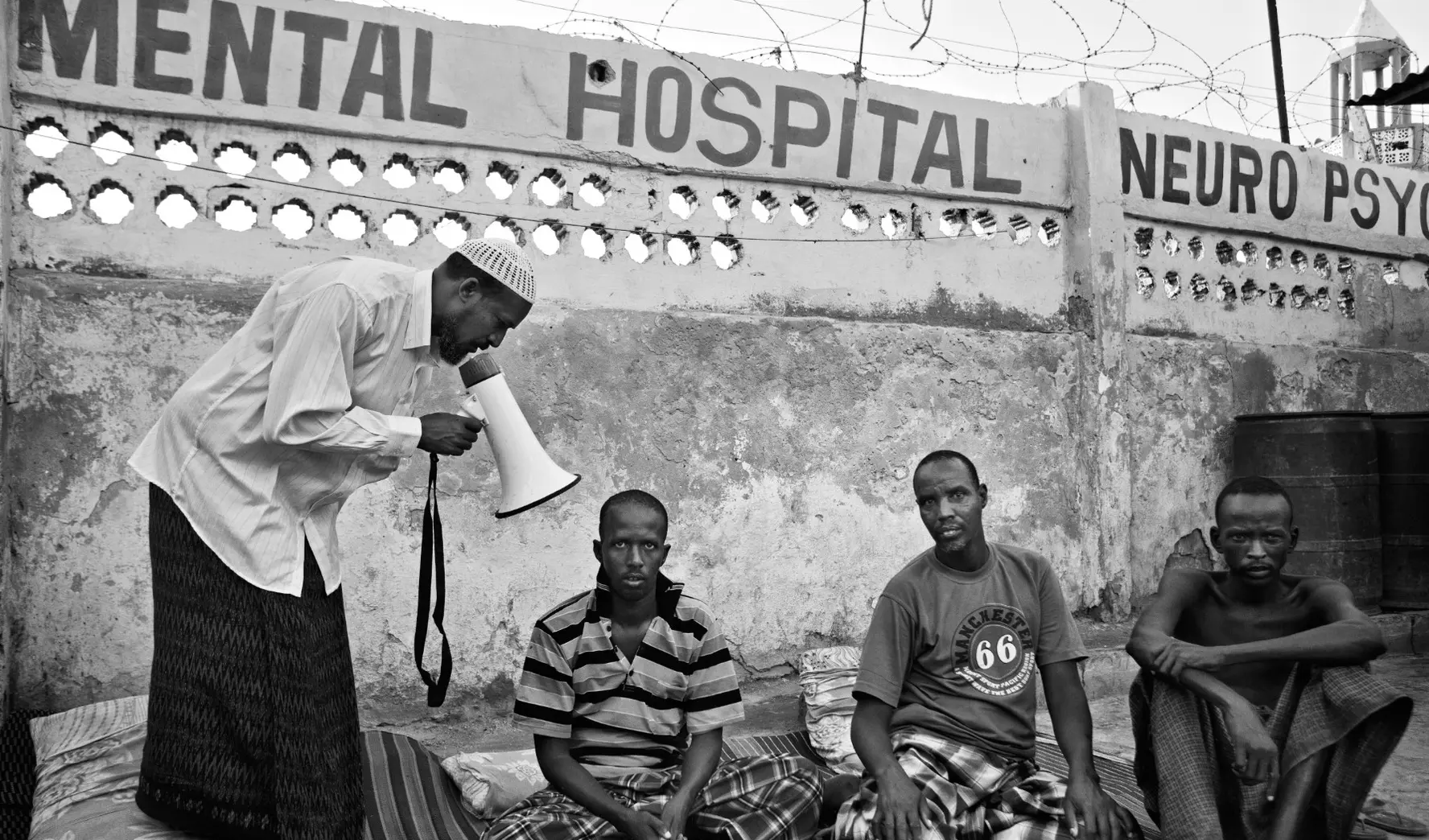
War-bound nations are one of the most susceptible areas where psychological health can be overlooked. As the war crisis spreads across Syria and many African nations, mental health is a problem that is often overlooked. Violence, lack of resources, and constant displacement leave people with long-term trauma and emotional consequences.
Mental Health Crisis in Syria
Syria’s health care system has been devastated over the last decade of war, and mental health is a major crisis. According to a WHO and International Red Cross study, about 33% of all people in Syria suffer from mental health disorders, PTSD symptoms, depression, and anxiety disorders.
Children and adolescents are even more prone to developing these health issues. For most of their lives, these kids have been engulfed in war, trauma, and constant displacement. Schools are no longer safe, and rather than serving as educational institutions, they are used as shelters. There is very poor funding and international support for psychological problems.
Mental health care services are scarce in the country. While a few psychologists and psychiatrists practice in Syria, most of them are concentrated in urban areas, leaving those in refugee camps and rural areas without support.
Mental Health Conditions in Sub-Saharan Africa
The nations in sub-Saharan Africa, especially the Sahel, South Sudan, Ethiopia, and Congo, have experienced constant periods of conflict, displacement, and famine. With violent and food-insecure environments, the population in these nations is constantly under mental distress.
According to the United Nations, over 100 million people in Africa are located in areas where there are armed conflict settings. Due to this, there are rising numbers of suicides, addiction, and undiagnosed depression in refugee camps and temporary shelters. Furthermore, children and females face even greater risks because of gender based violence, and unmet reproductive health needs as a result of a lack of resources.
Systemic Challenges and Stigma
Other factors also play a role, not just being in a war. There is less than one mental health professional per 100,000 people in Syria and many African countries, where there are 9 per 100,000 worldwide. Cultural stigma surrounding mental health makes this worse.
Nations across the world continue to struggle with intense violence, which affects people’s mental health. From constant displacement to food and housing insecurities, people continuously face challenges that put them under physiological pressure. Cultural shifts and professional help are necessary to break the stigma and allow people to seek the help they need.











Leave a Reply