

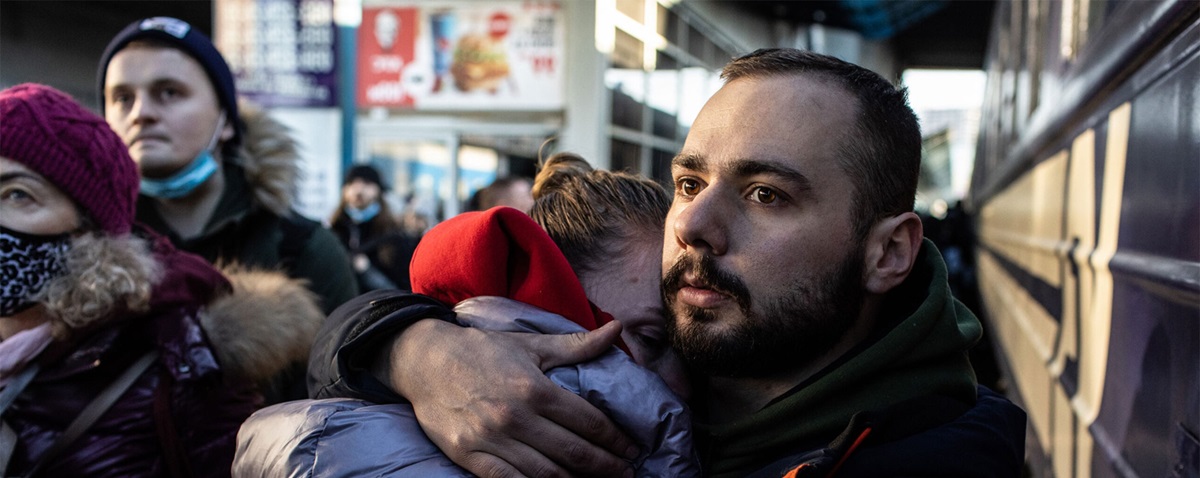
More than three years into Russia’s full-scale invasion, Ukraine continues to grapple with a severe and protracted humanitarian crisis. What began as a geopolitical conflict has evolved into one of the most devastating humanitarian emergencies in Europe since World War II. Millions of civilians have been displaced, thousands have lost their lives, and basic human needs remain unmet across large swaths of the country.
Displacement and Civilian Impact
As of 2025, the UN High Commissioner for Refugees (UNHCR) reports that over 14 million people have been forcibly displaced from their homes—over 6 million refugees abroad and another 8 million internally displaced within Ukraine. Many have endured repeated displacements as frontlines have shifted. While some have returned to areas previously occupied by Russian forces, they often find destroyed infrastructure, unexploded ordnance, and limited access to healthcare and clean water.
Civilian casualties continue to rise. The UN Office for the Coordination of Humanitarian Affairs (OCHA) estimates tens of thousands of civilians have been killed or injured, often due to indiscriminate shelling, drone attacks, and missile strikes on urban areas. Children, the elderly, and those with disabilities are disproportionately affected.
Infrastructure Collapse and Access to Essentials
Russia’s targeted attacks on Ukraine’s energy and water infrastructure have led to prolonged blackouts, water shortages, and heating failures, particularly during winter months. In cities like Kharkiv and Mykolaiv, residents have adapted to life without reliable electricity or heating, relying on makeshift stoves and community support systems.
Healthcare services are in critical condition. Hospitals have been damaged or destroyed, and a shortage of medical supplies and personnel hampers response to both war injuries and chronic diseases. Psychological trauma, especially among children, is widespread, with long-term mental health implications.
Food Insecurity and Economic Disruption
Ukraine, once a major global supplier of grain, has seen its agricultural output drastically reduced due to occupied farmlands, damaged infrastructure, and the presence of landmines. The World Food Programme (WFP) reports that one in four Ukrainians is facing food insecurity. Humanitarian aid convoys often face difficulty accessing the hardest-hit regions, especially in frontline areas like the Donetsk and Luhansk oblasts.
The economic impact has been catastrophic. The World Bank estimates Ukraine’s GDP shrank by nearly a third in the first year of the invasion and continues to struggle under the weight of war expenditures, reduced industrial output, and loss of trade routes.
Humanitarian Response and Challenges
International organizations, including the UN, Red Cross, Médecins Sans Frontières, and numerous NGOs, have mobilized large-scale relief efforts. Aid includes emergency shelter, food distribution, trauma care, and psychosocial support. However, access to occupied territories remains severely restricted, and humanitarian workers frequently face dangers from shelling and political obstructions.
Local Ukrainian civil society and grassroots volunteers have played a vital role, often bridging gaps left by larger organizations. Despite limited resources, they deliver aid, rescue civilians, and maintain community support networks under fire.
The Path Forward
While international aid is crucial, many humanitarian leaders stress the need for sustained diplomatic efforts to end the conflict. Without a ceasefire and political resolution, the humanitarian crisis will deepen, with long-term implications for regional stability and global food security.
The Ukrainian people have demonstrated extraordinary resilience, but they cannot face this crisis alone. The world must continue to provide not just immediate relief, but long-term support for reconstruction, reconciliation, and the restoration of basic human rights.










Leave a Reply