

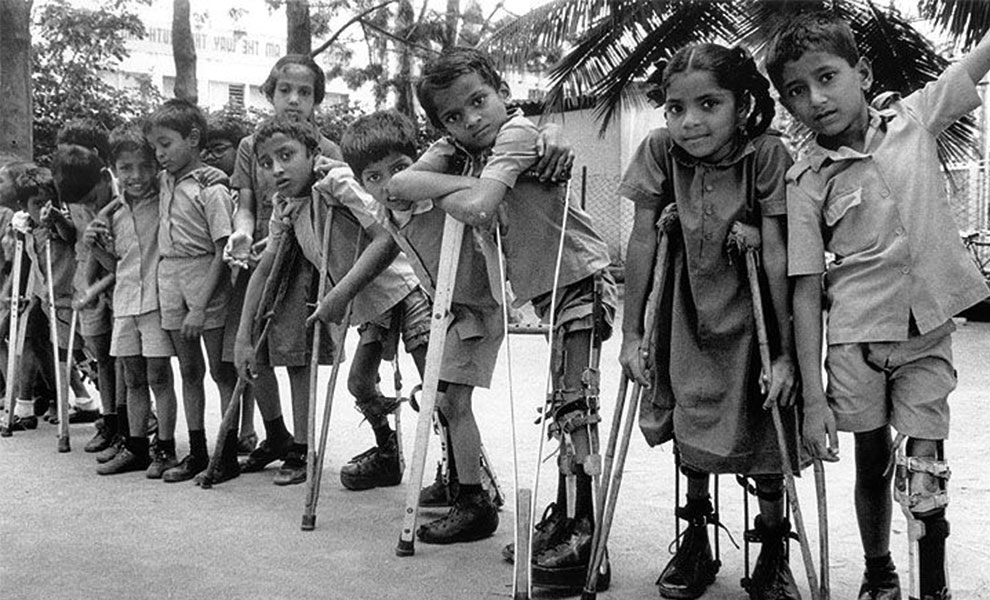
Polio was almost completely eradicated, but now the disease has been making an alarming comeback. Since 1988, more than 99% of cases had been eliminated due to universal vaccination under the Global Polio Eradication Initiative (GPEI). Wars, displacement, and political instability have returned the disease over the last few years. In 2023 through early 2024, stops of increasing outbreaks were verified in parts of Pakistan, Afghanistan, Yemen, Syria, and the Democratic Republic of Congo (DRC), all places where conflict severely restricts access to health care and immunizations.
The year 2022 saw only 6 reported cases of wild poliovirus worldwide. By the year’s end in 2023, however, those numbers grew sharply, especially in conflict areas. In addition, a secondary but parallel cVDPV crisis is unfolding; vaccine-derived poliovirus (cVDPV) transmission occurs in under-immunized communities when weakened oral vaccine strains mutate. Over 1,000 cases of cVDPV were recorded worldwide in 2023 alone, mostly in Africa and Southeast Asia.
Conflict, Collapse, and the Spread of Polio
Not a normal outbreak, polio’s resurgence is conditioned by the collapse in health infrastructure. Immunization campaigns are delayed or stopped outright. Health workers cannot safely access vulnerable populations; vaccine misinformation or distrust exacerbates the situation.
- Afghanistan & Pakistan: The two remain the last bastions of wild poliovirus. In remote provinces outside government control, vaccinators face being targeted, and bans on door-to-door vaccinating campaigns practically make it impossible for them to achieve consistency in coverage.
- Yemen & Syria: With civil wars raging, the healthcare services have been completely torn apart. The huge displacements into filthy refugee camps without any routine immunizations render the virus free to silently propagate.
- Democratic Republic of Congo: Again, violence and displacement interfere with public health campaigns. With over 500 confirmed cases of cVDPVs reported just in 2023, the DRC stands today among the largest outbreaks in the world.
Global Response and Innovative Tactics
The WHO, GPEI, and UNICEF are urgently redeploying funds and personnel to outbreak areas. Focus is on:
- Mobile Vaccination Clinics: Deliver vaccines to children residing in conflict zones, employing short-term ceasefires that must be negotiated with armed groups.
- Environmental Surveillance: Testing sewage for traces of poliovirus to detect silent transmission much before paralysis occurs.
- Targeted Messaging: Engage local religious leaders and educators to combat vaccine hesitancy and misinformation.
There are still gaps despite these efforts. Vaccine-derived polio shows the aching need to go full forth with inactivated polio vaccine (IPV) that poses no mutation risk – but with IPV being costlier and more difficult to dispense in unstable settings.
A Point of Eradication
Global eradication has long been seen to be inevitable, yet it is unlikely in the immediate future. Experts are warning that high rates of vaccination, including in conflict settings, may allow the virus to regain a foothold at the worldwide level. Director-General Tedros Adhanom Ghebreyesus’s message, “The last mile is the hardest — and the most dangerous,” should sound alarm bells.
Unless health systems in these high-risk states keep failing, and someday on account of some bits of defence health for vaccinations, eradication plans may regress, wasting the last twenty years of investment and hard work. International, cooperative action, emergency funding, and health diplomacy based on security is needed to mitigate a global re-establishment of transmission before it completely slips out of our hands.








Leave a Reply