


The Zika virus is a mosquito-borne virus that gained global attention due to outbreaks in tropical and subtropical regions and its association with serious health complications. While often mild in most people, Zika infection can cause severe birth defects when transmitted from a pregnant woman to her fetus. Understanding the virus, how it spreads, and ways to prevent infection is essential for public health awareness.
What is the Zika Virus?
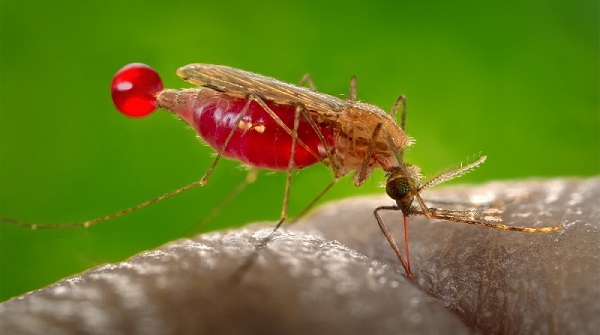
The Zika virus is a flavivirus primarily spread to humans through the bite of infected Aedes mosquitoes, especially Aedes aegypti and Aedes albopictus. These mosquitoes are common in tropical and subtropical climates and are active during the day.
First identified in Uganda in 1947, the Zika virus remained relatively obscure until outbreaks occurred in the Americas starting in 2015, leading to widespread concern due to its link with neurological complications.
How Does Zika Spread?
- Mosquito Bites: The primary mode of transmission is through the bite of an infected Aedes mosquito.
- Mother to Fetus: Zika can pass from a pregnant woman to her unborn baby, potentially causing severe birth defects such as microcephaly (a condition where a baby’s head is smaller than expected).
- Sexual Transmission: Zika can also spread through sexual contact with an infected person.
- Blood Transfusion: Although rare, transmission through blood transfusion is possible.
Symptoms of Zika Virus Infection
Most people infected with Zika virus experience mild or no symptoms. When symptoms occur, they usually appear 2 to 7 days after being bitten and last for several days to a week. Common symptoms include:
- Fever
- Rash
- Joint pain
- Conjunctivitis (red eyes)
- Muscle pain
- Headache
Severe illness requiring hospitalization is uncommon, and fatalities are rare.
Complications Associated with Zika
The most significant concern with Zika infection is its effect on pregnancy. Infection during pregnancy can lead to:
- Microcephaly: Babies born with smaller heads and brain abnormalities.
- Other Birth Defects: Including eye defects, hearing loss, and impaired growth.
- Guillain-Barré Syndrome (GBS): A rare neurological disorder causing muscle weakness and paralysis, sometimes linked to Zika infection.
Prevention and Control
Since there is no specific treatment or vaccine for Zika virus infection, prevention focuses on reducing exposure to mosquito bites and controlling mosquito populations:
- Avoid Mosquito Bites: Use insect repellents, wear long sleeves and pants, and stay in places with air conditioning or window screens.
- Eliminate Mosquito Breeding Sites: Remove standing water in containers around homes where mosquitoes can breed.
- Practice Safe Sex: Use condoms or abstain from sex to prevent sexual transmission, especially if your partner has traveled to an area with Zika.
- Travel Precautions: Pregnant women or those planning pregnancy should consult health authorities before traveling to Zika-affected regions.











Leave a Reply