

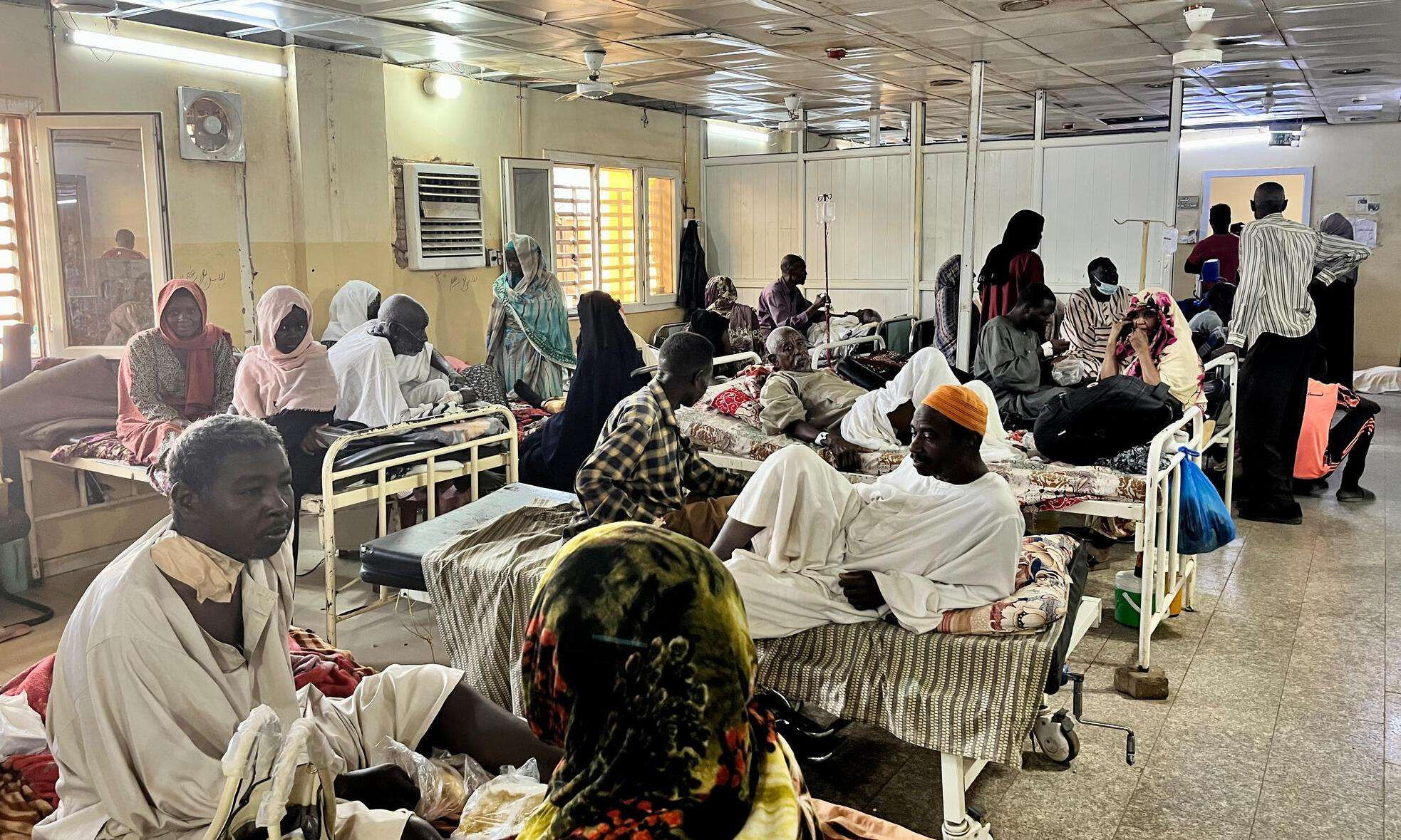
Sudan is currently facing a severe cholera outbreak, one that’s already killed over 172 people, and has also infected more than 2,500 in the past week, with it spreading mostly in Khartoum and Omdurman. In fact, Doctors Without Borders (MSF) has already reported treating over 2,000 suspected cases. MSF’s coordinator in Sufan, Joyce Bakker, described their treatment centers in Omdurman as incredibly overwhelmed, saying that “many patients are arriving too late to be saved.” She also stressed the need for more medical facilities and improved sanitation efforts to combat the cholera crisis.
The Health Minister Haitham Ibrahim blamed the outbreak on the thousands of people coming back to Khartoum after the army had recaptured it from the Rapid Support Forces (RSF) who have placed immense strain on the already scarce water and health resources. In Omdurman, one of the three cities of the capital region, overcrowding has worsened the already deteriorating conditions, leading to a sharp rise in infections, especially in areas where bodies have contaminated the Nile. Hospitals like al-Nao in Omdurman are running beyond capacity, with people waiting for treatment outside in the streets for days.
The situation has been made worse by the many RSF drone attacks that have knocked out electricity grids, shutting down water treatment plants. With no clean water, those in Sudan have begun to drink straight from the Nile River or collect rainwater, significantly contributing to the outbreak as bodies pile up in the river. Doctors and volunteers say the health authorities, despite being backed by the Sudanese Armed Forces (SAF), are not doing enough. Despite the raging health crisis, the SAF and the Ministry of Health have not answered questions about plans to restore basic infrastructure or support local medical efforts.
This cholera crisis comes during a wider humanitarian disaster. Sudan has been fighting in a civil war since 2023, which has killed at least 20,000 people and displaced over 14 million others. The war has destroyed hospitals, markets, and homes, leading to extreme hunger and poverty. More than 25 million people in the country now face food shortages, making children have a higher risk of dying from the epidemic due to extreme malnutrition. Experts, including Alex De Waal, warn that unless sanitation systems and electricity are restored, Sudan could see hundreds of thousands more deaths in the coming year. The time is now for the government of Sudan to prioritize the health and survival of the population over its longevity in the war.









Leave a Reply