

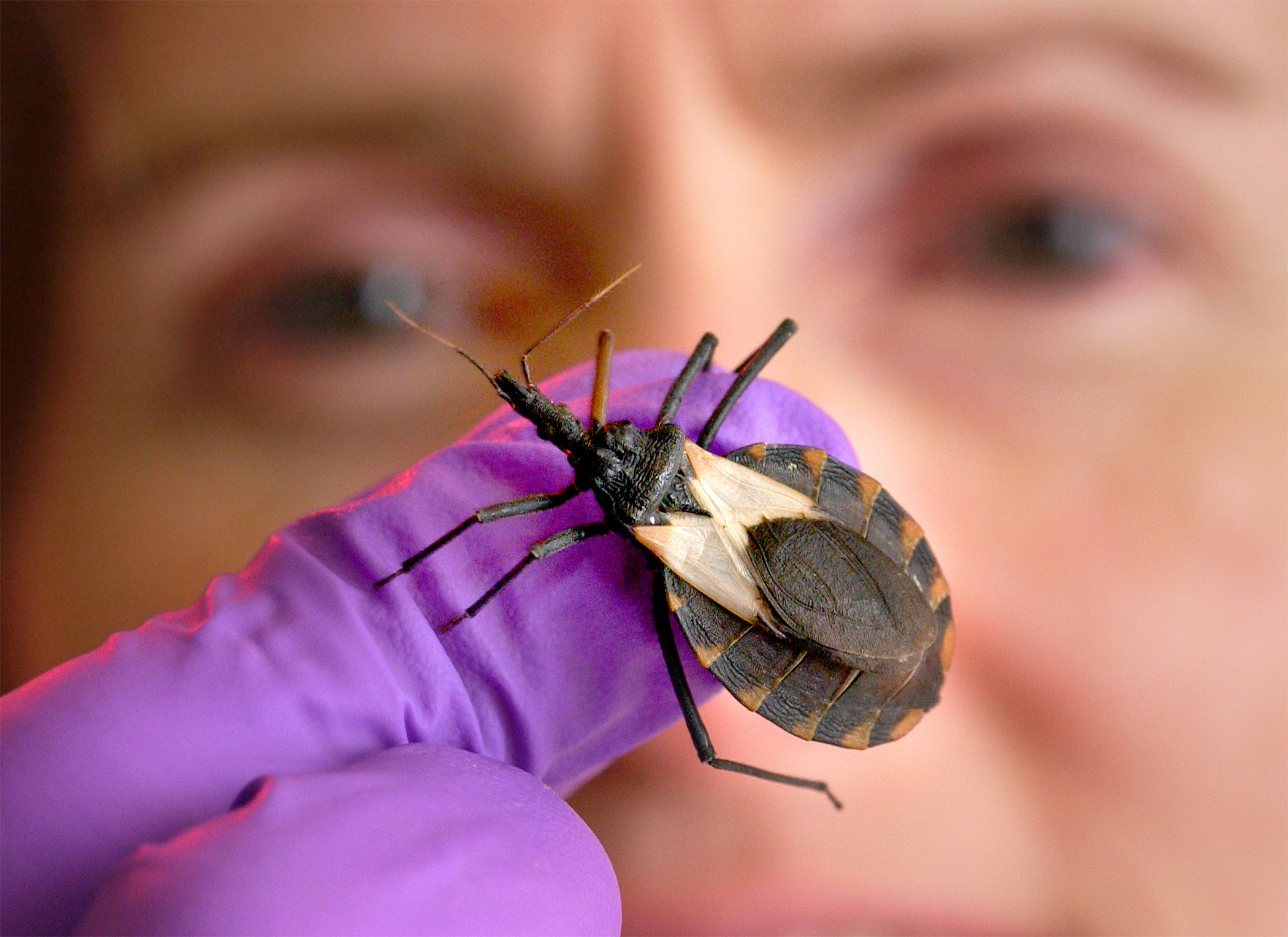
Between 6 and 7 million people worldwide are afflicted with Chagas disease, which is caused by the parasite Trypanosoma cruzi. Although millions of people in the US, Canada, and even Europe are afflicted, the disease primarily affects people in Latin America. Untreated, this fatal illness can develop into gastrointestinal and cardiac issues that could cause your death years later! It’s more crucial than ever to stay informed because travel and global warming are expanding the habitats of its insect hosts.
What is Chagas Disease?
The main way to get Chagas disease is through special types of triatomine bugs, which are also called “kissing bugs.” These bugs eat the blood of humans and animals, usually at night when the person is asleep, and then they pass the parasite in their feces near the bite site. People can also become infected through contaminated food or drinks in regions where filtration and sanitation is a problem, blood transfusions, organ transplants, or from mother to child during pregnancy. If infected, the disease doesn’t sleep. It spreads.
Where is it Found?
Once confined to rural Latin America, Chagas disease is now present in 44 countries across the both continental Americas, Europe, and even, unfortunately, beyond. Triatomine bugs have adapted to a wide range of climates, from the tropics to temperate regions like Maryland and Indiana in the U.S., and even as far south as Patagonia. They seek blood and they don’t care whether a person is a tourist or a local.
How Does it Affect the Body?
Chagas disease has two phases:
- It all begins with an acute phase. Symptoms that are not yet too bad include fever, tiredness, body aches, headaches, vomiting, or diarrhea. Many people, however, don’t notice it. This is the most dangerous stage of the disease because those who have it might spread it without meaning to.
- Years after infection and incubation it goes to a chronic phase and around one-third of patients develop serious heart problems. Others may suffer from digestive or neurological complications.
Without early diagnosis and treatment, chronic infection can become permanent and severely damaging.
Who is At Risk?
Chagas disease doesn’t discriminate. Locals, tourists, poor and rich are at risk if exposed to environments where the parasite thrives. Typically infection is more common in rural and underdeveloped areas of Latin America. But still everyone should be careful: cases have also emerged in urban settings and non-endemic countries due to increased migration and travel.
Exposure to poor housing conditions is still one of the risk factors. You should pay more attention at cracked walls, thatched roofs, or unsealed spaces. Insects usually live in the cracks of houses or animal shelters, coming out at night to feed on blood. Domestic animals and wildlife can silently harbor the parasite, perpetuating the chain of infection in surrounding communities. Paying attention to your surroundings and care about your living conditions can be the deciding factor in not getting infected!
How Did Climate Change Affect the Spreading of the Disease?
The common-known climate change in temperature already redraws the map of Chagas risk. The areas we used to mark as potentially save no longer are; and tourists must track need to stay alert. Models show Rhodnius prolixus in tropical zones and Triatoma infestans in more temperate areas by 2050 under the intermediate RCP6.0 scenario. These regions were in fact once considered too cool or too dry. However, due to warming, they become suitably warm and humid for these bugs to thrive. In practical terms: Rising minimum temperatures mean both species can move higher into mountainous areas and farther from the equator. Travelers may now come across Triatomines in previously unobserved areas, endangering even more visitors and residents. Adult moulting, nymphal development, and egg hatching are all accelerated by warmer nights. T. infestans lays more eggs and reaches reproductive maturity sooner at just a few degrees warmer, according to lab studies. This shortens the time between generations and results in denser bug populations surrounding homes and farm structures. According to suitability analyses, new foci are emerging in highland Mexico, the area along the U.S.-Mexico border, and even some areas of southern Europe, while some traditional hotspots in the southern Cone may lose marginal suitability.
Don’t assume low risk simply because you’re outside the classic rural villages of the Amazon. Even off‑season trips still carry risk, as bugs no longer enter a prolonged diapause. Look for small cracks in walls or around doors; insect screens or insecticide-treated nets are more important than ever. Consult the most recent vector distribution maps provided by the local health authorities before you depart; if you intend to travel to a rural area, bring a high-quality bed net and repellent.
Treatment and Prevention
Don’t need to panic too early. In acute stage, early treatment can cure Chagas disease. The best medications for children and young adults without serious cardiac conditions are benznidazole and nifurtimox. However, if the disease has advanced or the patient ages, treatment becomes more complicated.
Get Tested!
Ask your doctor about a Chagas screening if you have visited or resided in an endemic area, particularly if you are pregnant or intend to become pregnant.
Chagas disease doesn’t rest. Its silent spread, often unnoticed for years, is a reminder of the hidden risks that can accompany even short-term travel. Whether for tourism, volunteering, or visiting family, awareness is your first step to protection.









Leave a Reply